Unsafe Foods in India: What to Avoid and Why
When it comes to unsafe foods in India, foods that pose health risks due to improper storage, handling, or aging. Also known as food safety hazards, these aren’t just about street vendors—they’re often in your own fridge. Many people assume if it looks fine, it’s safe. But that’s not true. Spoiled paneer, day-old curd, or reheated rice left out too long can make you sick—even if there’s no smell or mold.
Paneer, a fresh Indian cheese made by curdling milk with lemon or vinegar. Also known as Indian cottage cheese, it’s a staple in homes and restaurants—but it doesn’t last. Homemade paneer goes bad in 3 to 5 days. After that, even if you fry it or cook it in curry, the bacteria won’t die. That’s not myth—it’s science. Same goes for dal, a daily lentil dish that’s nutritious when fresh. But if left out overnight or reheated too many times, it can turn into a breeding ground for Bacillus cereus, a toxin that causes vomiting and diarrhea. And yes, this happens more often than you think.
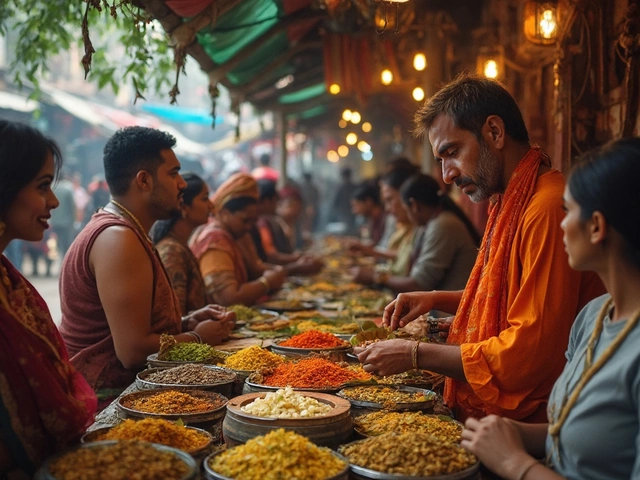
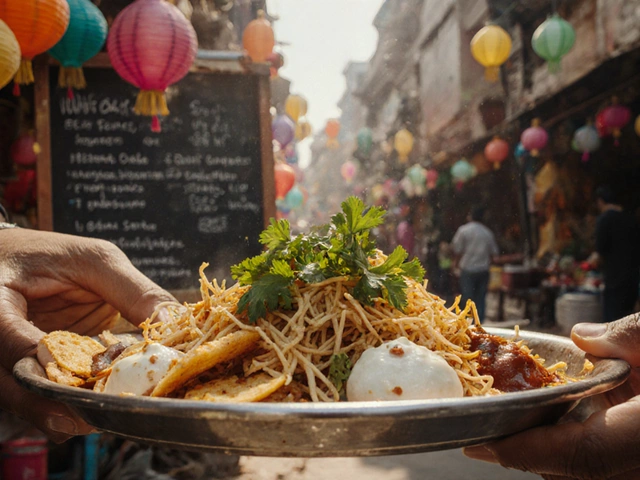
Then there’s the street food culture. Vada pav, pani puri, chaat—these are beloved. But when the water isn’t clean, the oil’s been reused ten times, or the chutneys sit out in the sun for hours, you’re not just eating flavor—you’re eating risk. A 2022 study from the Indian Council of Medical Research found that over 60% of foodborne illness reports in urban India came from street vendors with no refrigeration or hygiene protocols. That’s not about blaming vendors. It’s about knowing what to look for: cloudy oil, sticky chutneys, or snacks that feel warm when they shouldn’t be.
Even healthy foods can become unsafe. Idli and dosa batter, if fermented too long or stored in unclean containers, can grow harmful molds. Jaggery, often seen as a natural sweetener, can contain heavy metals if sourced from polluted areas. And eggs? They’re fine if fresh—but cracked shells or eggs stored at room temperature for days? That’s a salmonella waiting to happen.
The truth is, Indian food is full of flavor, tradition, and nutrition—but safety isn’t automatic. It’s something you have to watch for. You don’t need to avoid your favorite dishes. You just need to know when to say no. That 7-day-old paneer? Toss it. That curry left out for 8 hours? Don’t reheat it. That crispy samosa from the cart with no cover? Skip it. Your stomach will thank you.
Below, you’ll find real guides from home cooks and food safety experts on what to look for, what to avoid, and how to make your kitchen safer without giving up the flavors you love. No guesswork. Just clear, practical advice.
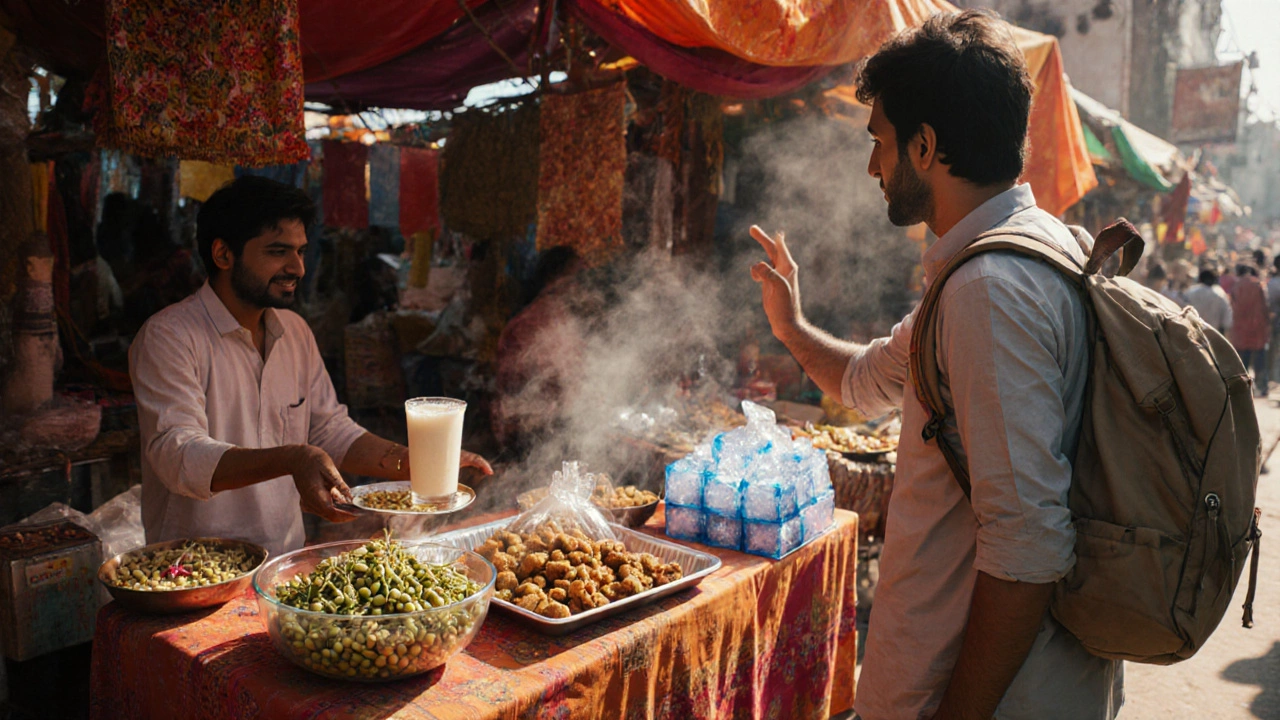
Foods to Avoid in India: Essential Safety Guide for Travelers
Learn which Indian foods pose health risks for travelers, how to spot safe street stalls, and practical tips to enjoy delicious meals without getting sick.
Read More