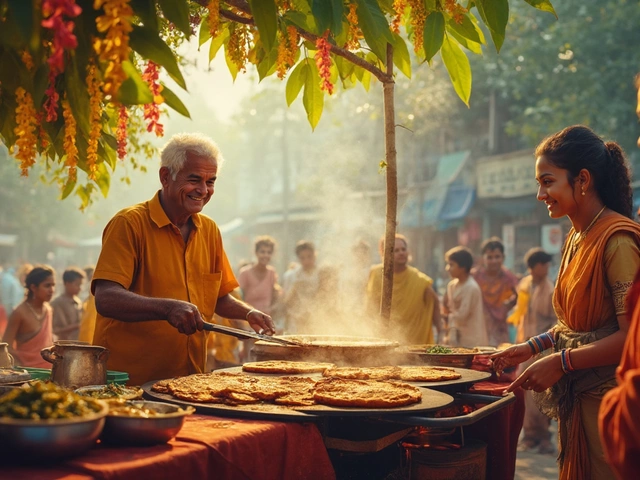
Unfermented Dosa: What It Is, Why It Matters, and How It Compares
When you think of dosa, you probably picture that crisp, golden pancake made from fermented rice and lentil batter—light, tangy, and perfect with coconut chutney. But there’s another version, simpler and faster: unfermented dosa, a flatbread made from raw rice and lentil batter without the overnight soaking and fermentation process. Also known as quick dosa or instant dosa, it’s the go-to for busy mornings when you still want that familiar South Indian flavor without the wait. It’s not just a shortcut—it’s a practical shift in how people cook at home today.
Unlike traditional dosa, which relies on natural bacteria to break down starches and create bubbles and tang, unfermented dosa skips that step entirely. You mix rice, urad dal, salt, and water, let it sit for just 30 minutes to an hour, and cook it right away. The result? A softer, flatter, less sour crepe that cooks faster and holds up better in humid climates where fermentation can go wrong. It’s popular in households where time is tight, or where people avoid fermented foods for digestion reasons. And while it doesn’t have the same probiotic boost as fermented dosa, it still delivers fiber, plant-based protein, and complex carbs—making it a solid breakfast option. You’ll find it in many South Indian homes, especially in Tamil Nadu and Karnataka, where moms and grandmas make it for kids, elderly relatives, or anyone who can’t tolerate sour foods.
What’s interesting is how this version connects to other staples you’ve probably seen on this site. idli, a steamed rice-lentil cake that’s usually fermented, also has an unfermented cousin—called instant idli—that’s made the same way as unfermented dosa. And just like dosa, upma and poha are breakfasts that skip fermentation entirely, relying instead on quick cooking and simple ingredients to deliver flavor and energy. These dishes all share a common goal: speed without sacrificing tradition. They’re not replacements—they’re adaptations. And they’re why Indian kitchens keep evolving.
So if you’ve ever wondered why some dosas taste milder, cook faster, or don’t have that sour tang, now you know. Unfermented dosa isn’t less authentic—it’s just different. It’s the kind of smart, everyday tweak that keeps food alive in real life. Below, you’ll find real recipes, tips for getting the texture right, and comparisons that help you decide which version fits your day best.
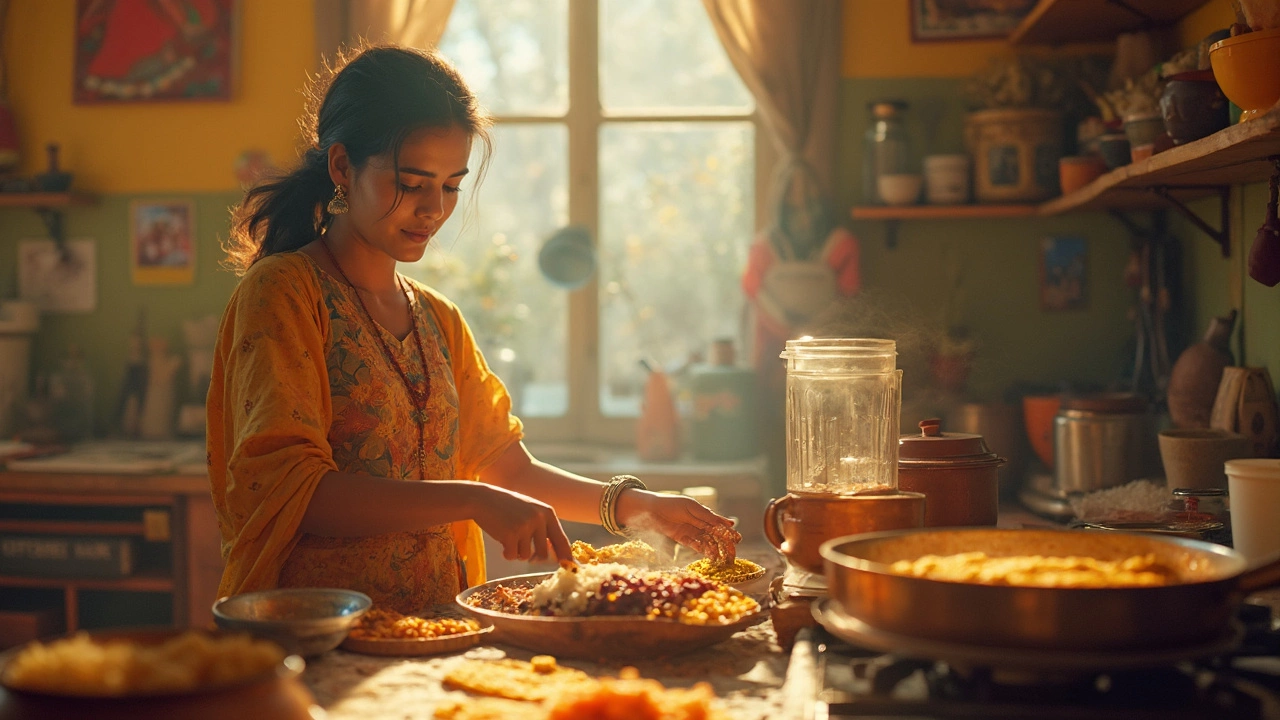
Can I Make Dosa if Batter Is Not Fermented?
Think you can't make dosa without fermented batter? Think again! While fermentation adds a unique flavor and a fluffy texture, there are quick hacks for when time is not on your side. Dive into methods that help you make delicious dosas using unfermented batter. Learn interesting facts, tips, and steps to adapt your batter with ease. Discover the joys of flexibility in Indian cooking.
Read More