Travel Food India: Best Street Eats, Regional Dishes, and Safe Eating Tips
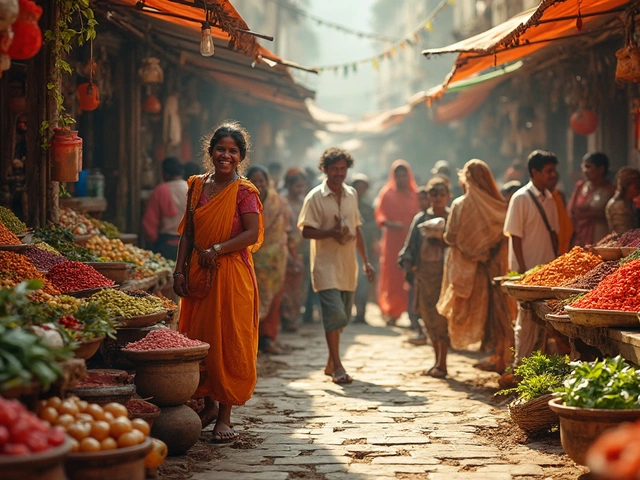
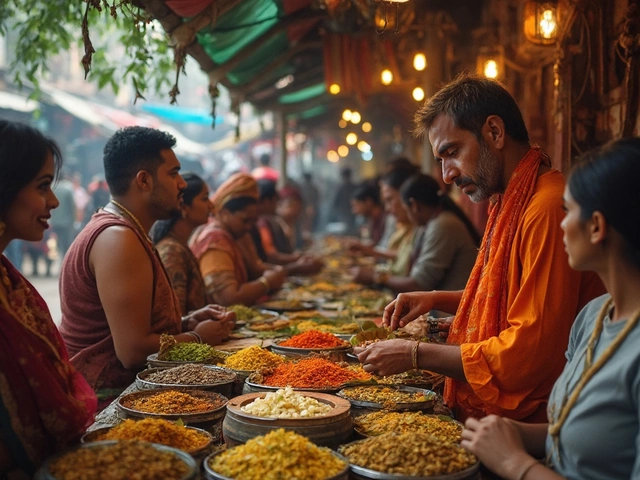
When you think of travel food India, the vibrant, spice-rich meals found on sidewalks, markets, and roadside stalls across the country. Also known as Indian street food, it’s not just snacks—it’s daily life served on banana leaves, paper plates, or even plastic cups. From the crispy vada pav of Mumbai to the steaming idli in Chennai, every region has its own flavor story. This isn’t just about eating. It’s about experiencing India through its food—the way locals do.
What makes Indian street food, a mix of bold spices, fresh ingredients, and quick prep methods perfected over generations. Also known as regional Indian dishes, it varies wildly from north to south, coast to coast. In Punjab, you’ll find buttery parathas stuffed with potatoes. In Kerala, coconut-based curries with fish fry. In Delhi, kebabs sizzling on charcoal grills. And in Bengal, sweet rosogolla still warm from the syrup. These aren’t tourist traps—they’re family-run stalls where recipes haven’t changed in decades. But here’s the catch: not all of it is safe for travelers. That’s why knowing what to avoid matters just as much as what to try. Foods like 7-day-old paneer, undercooked eggs, or unrefrigerated chutneys can turn a dream trip into a sick one. The good news? Most street vendors follow hygiene practices you won’t find in fancy restaurants. Look for busy stalls, fresh oil, and sealed packaging. That’s your real safety net.
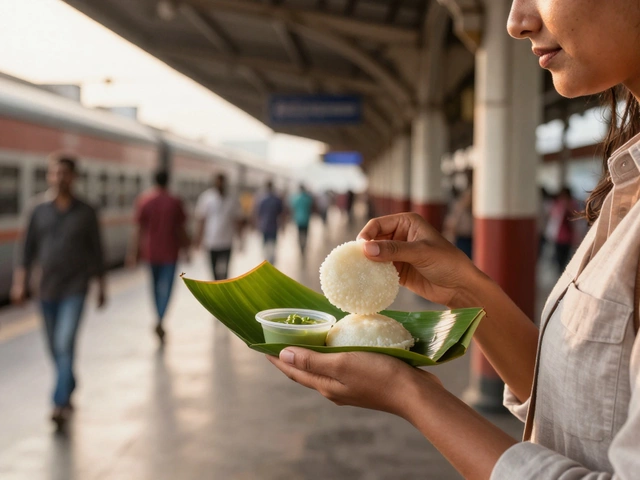
Indian cuisine, a collection of hundreds of regional cooking styles built on lentils, rice, spices, and fermented foods. Also known as traditional Indian food, it’s one of the most diverse culinary systems on earth. It’s not just curry and naan. It’s poha in Maharashtra, upma in Karnataka, jalebi in Rajasthan, and dhokla in Gujarat. Many of these dishes are naturally healthy—fermented, low-fat, high-fiber, and packed with protein from lentils and dairy. That’s why Indian breakfasts like idli and dosa rank among the healthiest in the world. And yes, you can eat them while traveling. Just stick to places where the dough is made fresh daily and the oil looks clean. You don’t need to avoid street food to stay safe—you just need to know how to pick the right spot.
Below, you’ll find real guides from people who’ve eaten their way across India—what to try, what to skip, how to spot safe stalls, and which dishes actually taste better when eaten with your hands. Whether you’re planning your first trip or you’ve been before and got sick, these posts will help you eat smarter, not harder.
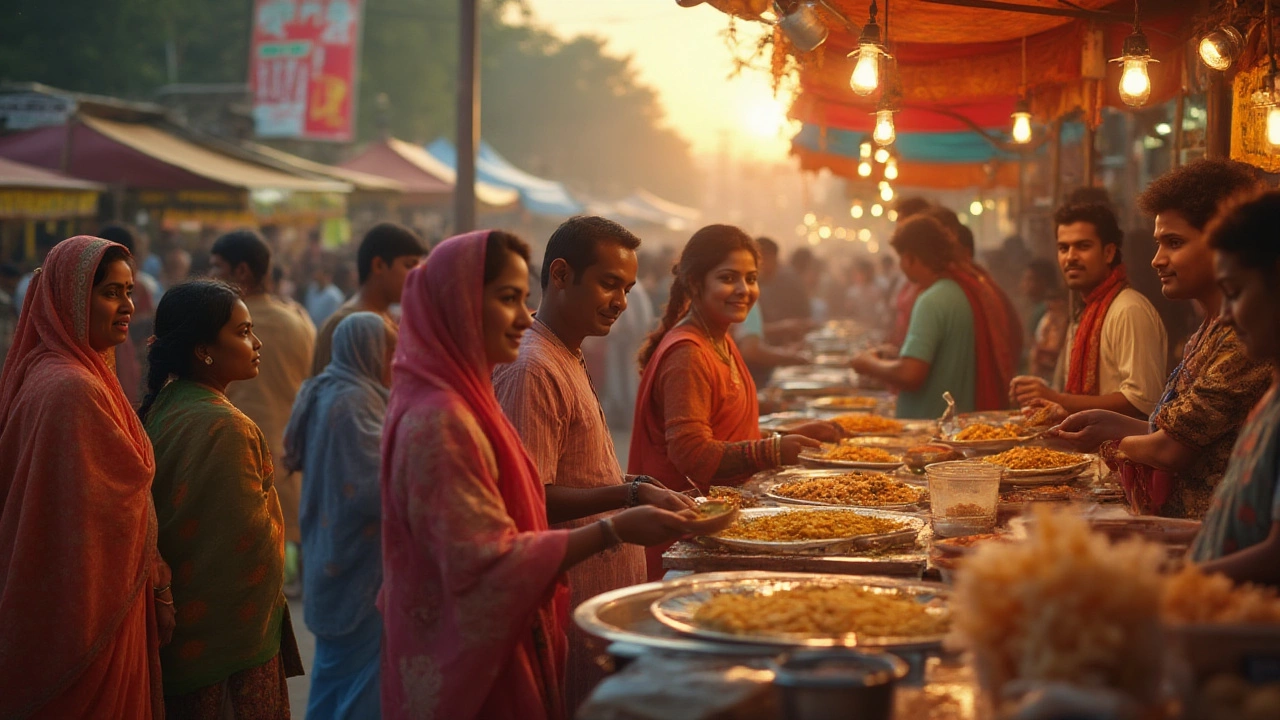
Is Street Food in India Safe for Tourists? Essential Tips & Real Insights
Curious about eating street food in India as a tourist? Get real, helpful advice on safety, hygiene, and what to eat for a worry-free and tasty food adventure.
Read More