Traditional Indian Sweet
When you think of a traditional Indian sweet, a category of desserts rooted in centuries-old recipes, often made with milk, sugar, and spices, and central to festivals and family gatherings. Also known as mithai, it's not just dessert—it's culture in every bite. These sweets aren’t just sugary treats; they’re tied to rituals, seasons, and regional identity. From the creamy, slow-cooked Peda, one of India’s oldest known sweets, dating back over 500 years in Mathura, made from just milk solids and sugar, to the chewy, nutty laddu, a ball-shaped sweet made with flour, ghee, and sometimes lentils or coconut, each one tells a story. Even the sweeteners matter—jaggery, unrefined cane sugar with a deep molasses flavor, used instead of white sugar in many traditional recipes gives a distinct earthiness that refined sugar can’t match.
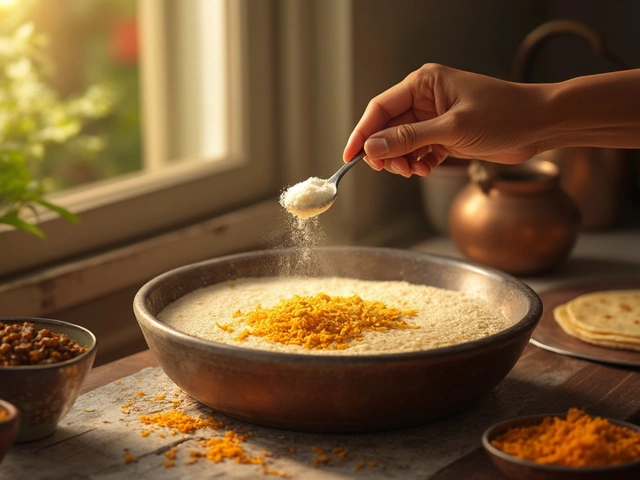
What makes these sweets different from Western desserts? It’s the texture, the technique, and the patience. Many are made by simmering milk for hours until it thickens into khoya, reduced milk solids that form the base of sweets like gulab jamun and barfi. No baking powder, no eggs—just heat, time, and skill. And while modern versions use condensed milk or powdered sugar, the authentic ones still rely on old methods passed down through generations. You’ll find them in temple offerings, wedding trays, and Diwali gift boxes—not because they’re trendy, but because they’re trusted. Even today, families in Uttar Pradesh, Gujarat, and West Bengal make these by hand, often starting at dawn. The smell of caramelizing sugar and roasting cardamom fills homes, and that’s the real magic.
Not all traditional Indian sweets are heavy or high in sugar. There’s a growing movement to make them healthier without losing flavor—using dates, jaggery, ragi, or nuts as natural sweeteners and binders. You can still enjoy the same comfort, but with better nutrition. Whether you’re curious about why Peda is considered the oldest, how jaggery changes the taste of a laddu, or where to find authentic khoya, the recipes and stories below cover it all. You’ll see how these sweets are made, why they matter, and how you can bring a piece of that tradition into your kitchen—even if you’re starting from scratch.
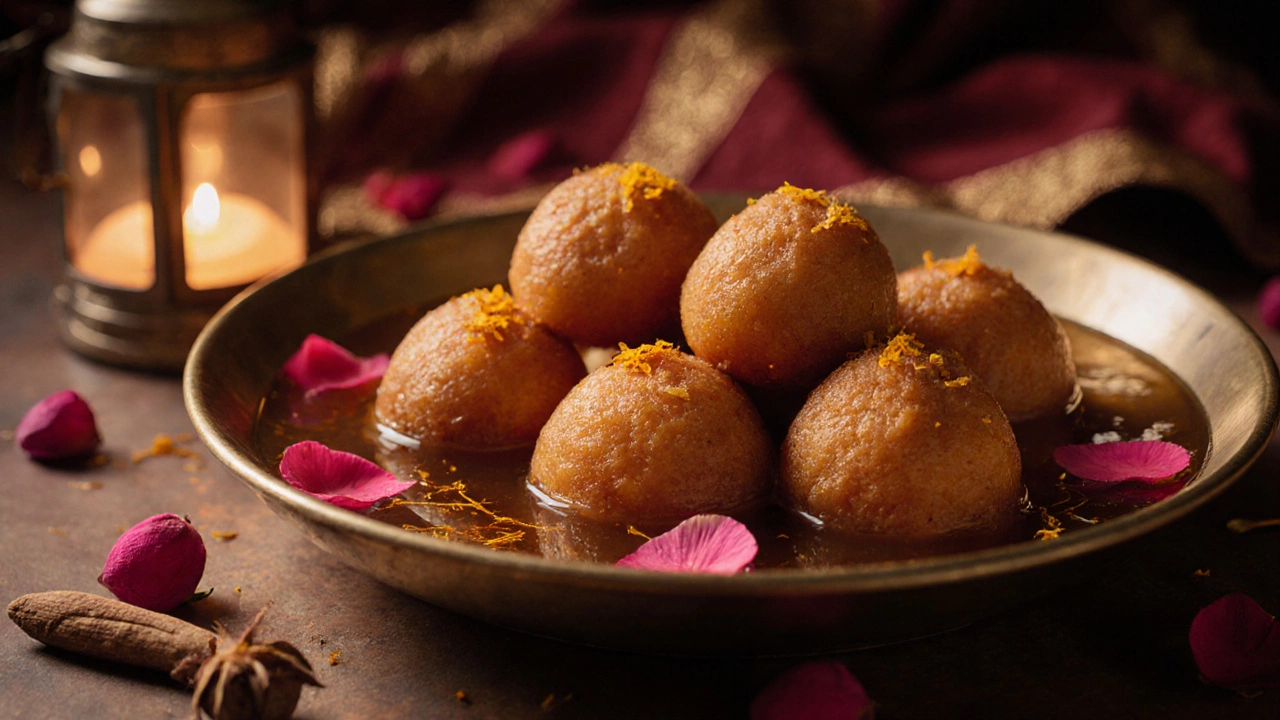
Discover India's Iconic Traditional Sweet: Gulab Jamun Explained
Explore the history, recipe, and regional twists of India's iconic traditional sweet, Gulab Jamun, and compare it with other classic Indian mithai.
Read More