Steak Legality: What You Need to Know About Beef Rules in India
When it comes to steak legality, the rules around eating beef in India are not uniform—they vary by state, religion, and local law. Also known as beef consumption laws, these rules shape what you can buy, cook, or serve at home. Unlike in the U.S. or Australia, where steak is a common dinner staple, in India, the idea of eating beef is tied to deep cultural and religious beliefs. Many Hindus consider cows sacred, and as a result, cow slaughter is banned or heavily restricted in over 20 states. This doesn’t mean steak is gone from Indian kitchens—it just means it’s not made from cow meat in most places.
Instead of beef, many Indian households that eat meat turn to goat, lamb, chicken, or even buffalo. Buffalo meat, often sold as "carabeef," is legal in states like Kerala, West Bengal, and Uttar Pradesh, and it’s commonly used in curries and grilled dishes that mimic the texture of steak. In places like Nagaland or Meghalaya, where Christian and tribal communities dominate, beef is widely consumed without legal or social barriers. So when someone asks, "Is steak legal?"—the real question is: which kind of steak, and where?
The confusion around steak legality often comes from mixing up terms. In India, "beef" usually means cow meat, while "buffalo meat" is treated as a separate category under the law. Many restaurants that serve "steak" are actually serving buffalo or goat, labeled as "steak" for familiarity. Even in metro cities like Mumbai or Delhi, you’ll find steak menus—but rarely with cow meat. The government doesn’t ban steak outright; it bans the slaughter of cows and bulls. That’s why you’ll see signs like "No Beef" in restaurants, even when the menu includes grilled meat.
If you’re traveling or cooking at home, knowing the local rules matters. In Gujarat or Rajasthan, even carrying beef can lead to trouble. In contrast, in Goa or Kerala, you can buy buffalo steak at any market. The same goes for grocery stores: beef products are sold openly in some states, hidden behind labels in others. Always check local customs before buying or serving meat.
What’s clear is that steak legality isn’t about the food—it’s about identity, faith, and law. Whether you’re curious about why some Indians avoid steak, or you’re trying to cook one safely at home, understanding these regional differences helps you navigate Indian food culture without stepping on cultural landmines. Below, you’ll find real posts from home cooks, travelers, and chefs who’ve dealt with these questions firsthand—covering everything from where to buy safe meat to how to substitute beef in traditional recipes.
Is It Illegal to Eat Steak in India?
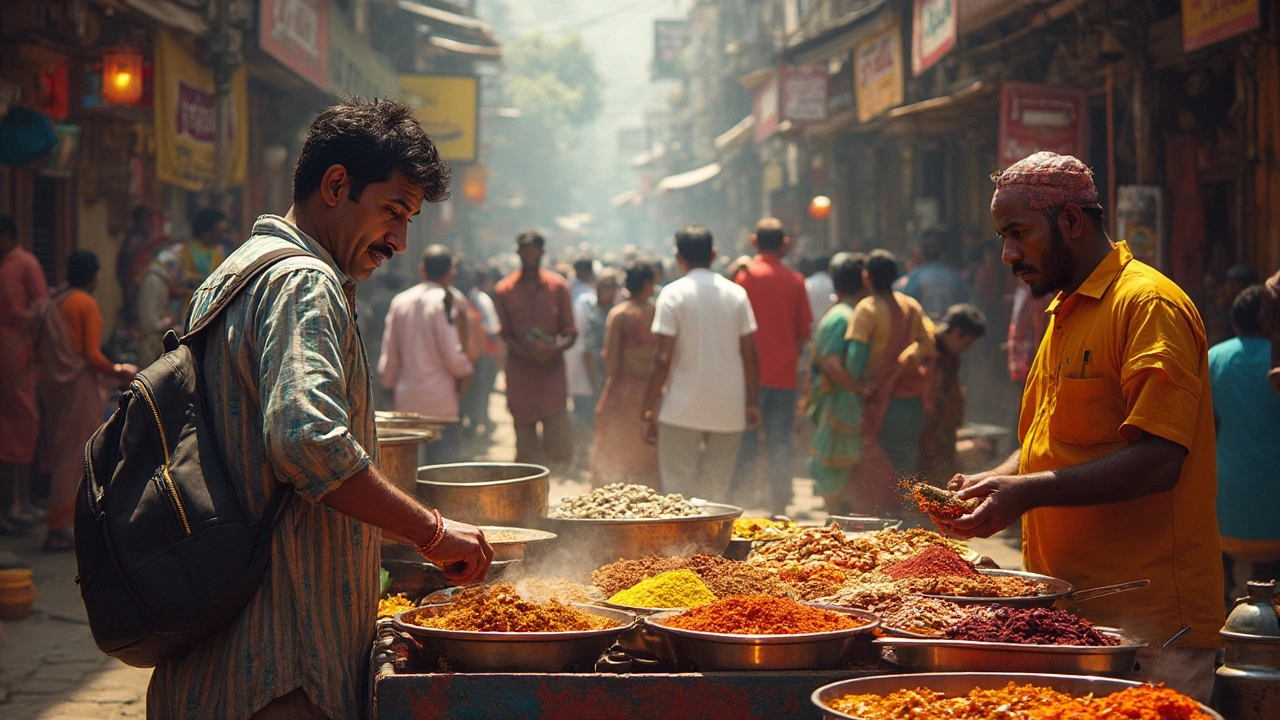
Navigating dietary laws and customs in India can be tricky, especially when it comes to beef consumption. In certain Indian states, eating steak is considered illegal due to religious beliefs around the sacred status of cows. This article explores the diverse stances across the country, offering insights into where steak is banned and why. It includes tips for travelers who love street food but want to respect local customs.
Read More