Soda in Dosa Batter: Why It Works and What to Use Instead
When you see soda in dosa batter, a common shortcut used to speed up fermentation and create crispier dosas. Also known as baking soda, it’s often added when the batter doesn’t rise properly or when cooks are in a hurry. But is it really the best way to get fluffy, golden dosas? The truth is, traditional dosa batter relies on natural fermentation—lactic acid bacteria and yeast working over 8 to 12 hours to break down starches, release gas, and create that signature light texture. Soda doesn’t replace fermentation; it mimics part of its effect by producing quick carbon dioxide bubbles. That’s why dosas made with soda can be crisp on the outside but lack the subtle tang and airy depth of properly fermented batter.
Many home cooks turn to soda because their batter didn’t rise, especially in colder climates or during winter. But instead of reaching for the baking soda, ask yourself: was the rice and urad dal soaked long enough? Was the water warm enough? Was the batter left in a draft-free spot? Fermentation isn’t magic—it’s temperature and time. A bowl of batter near a warm oven, wrapped in a towel, can ferment perfectly even in winter. If you’re using store-bought rice flour or pre-ground dal, that’s another reason your batter might be sluggish. Freshly ground grains have more live microbes to do the work.
Still, soda isn’t always wrong. A tiny pinch—less than a quarter teaspoon—can help if your batter is just slightly under-fermented. But too much soda leaves a soapy aftertaste and makes the dosa brittle, not crisp. It also kills the probiotic benefits you get from natural fermentation. That’s why traditional South Indian households rarely use it. They know that patience gives flavor. The sour note in a well-fermented batter? That’s not spoilage—it’s the signature of healthy microbes doing their job.
What you’ll find in the posts below are real fixes for common dosa problems: why your batter doesn’t rise, how to tell if it’s ready, what to do if you forgot to soak the dal, and even how to fix over-fermented batter. You’ll also see what ingredients actually make dosa better—like fenugreek seeds, which boost fermentation, or how adding a little salt at the right time changes the texture. No gimmicks. No shortcuts that backfire. Just clear, tested methods from kitchens across India.
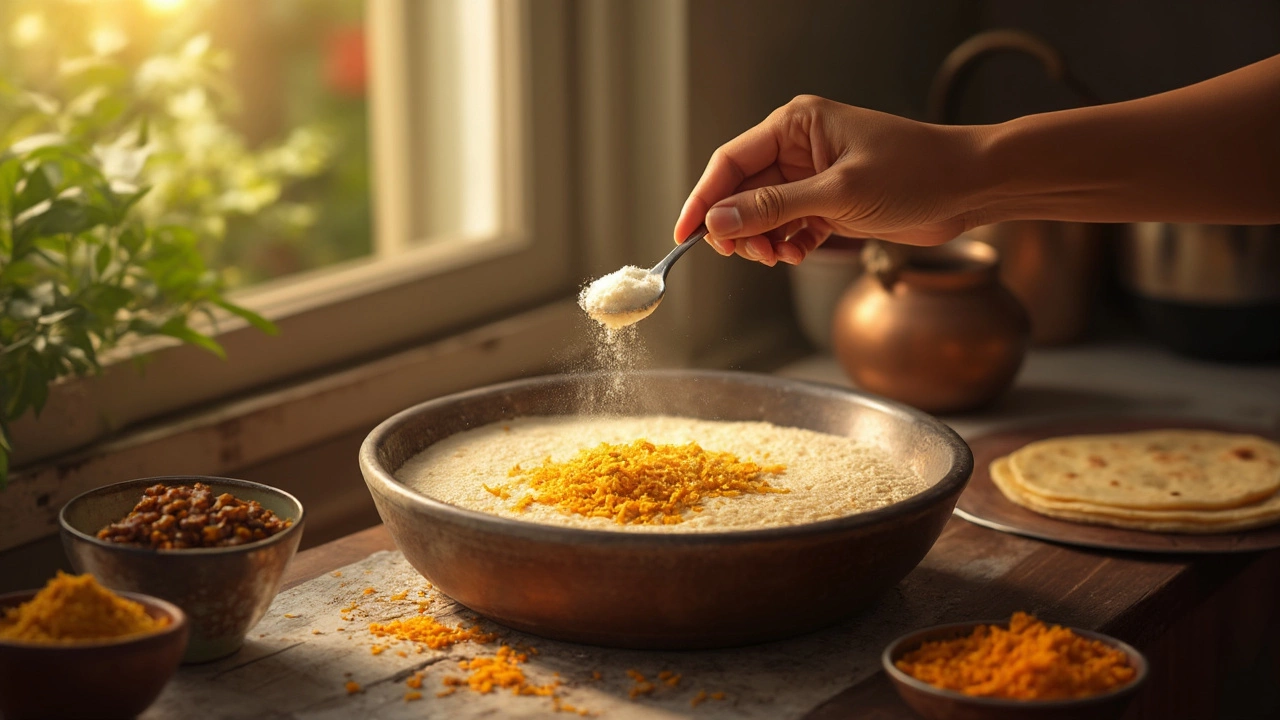
Why Add Soda to Dosa Batter? The Science Behind Fluffier Dosas
Wondering why some dosa batters call for soda? This article breaks down how adding soda changes the texture, look, and taste of dosas. You'll get practical tips, common mistakes to avoid, and ideas for better results in your kitchen. Even if you're new to dosa-making, you'll learn exactly when (and when not) to reach for the soda. It's all about taking the guesswork out of crispy, golden dosas at home.
Read More