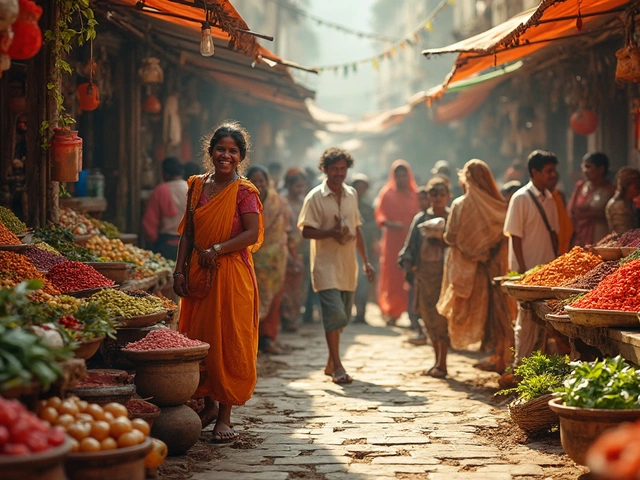
Sikhism and Indian Food: How Faith Shapes Daily Meals
When you think of Sikhism, a monotheistic religion founded in the Punjab region of South Asia that emphasizes equality, service, and community. Also known as Khalsa, it is a faith where food isn’t just fuel—it’s a sacred act of sharing. At the heart of Sikh practice is langar, a free community kitchen that serves meals to everyone, regardless of religion, caste, or background. This isn’t a one-time event—it happens every single day in every gurdwara around the world. And the food? Always vegetarian. No meat, no eggs, no onion or garlic in most kitchens. Why? Because langar is meant to be inclusive. If you’re Hindu, Muslim, Christian, or atheist—you sit on the floor, eat the same meal, and leave as equals.
This practice has deeply shaped Indian food culture, especially in Punjab. You’ll find dal, a simple lentil stew that’s a staple across South Asia simmering in every langar pot, often paired with roti, a flatbread made from whole wheat flour and cooked on a griddle. The recipes are humble: no fancy spices, no meat-based stocks, just clean, nourishing ingredients. It’s why dishes like chana masala, palak paneer, and rice with lentils became so widespread—they’re not just tasty, they’re safe for everyone. Even outside the gurdwara, many Sikh families avoid meat not because the religion forbids it outright, but because the tradition of langar makes vegetarian eating the norm. This isn’t about restriction—it’s about connection. When you eat langar, you’re not just filling your stomach. You’re honoring a 500-year-old promise: no one goes hungry.
What you’ll find in the posts below is a collection of real, everyday Indian foods that mirror this spirit—simple, nutritious, and deeply rooted in culture. From the healthiest dals to the best vegetarian dishes, from how to make paneer at home to why certain sweets are served during festivals, these recipes don’t just feed you. They tell a story. One that begins with a bowl of dal, shared without question, with anyone who walks through the door.
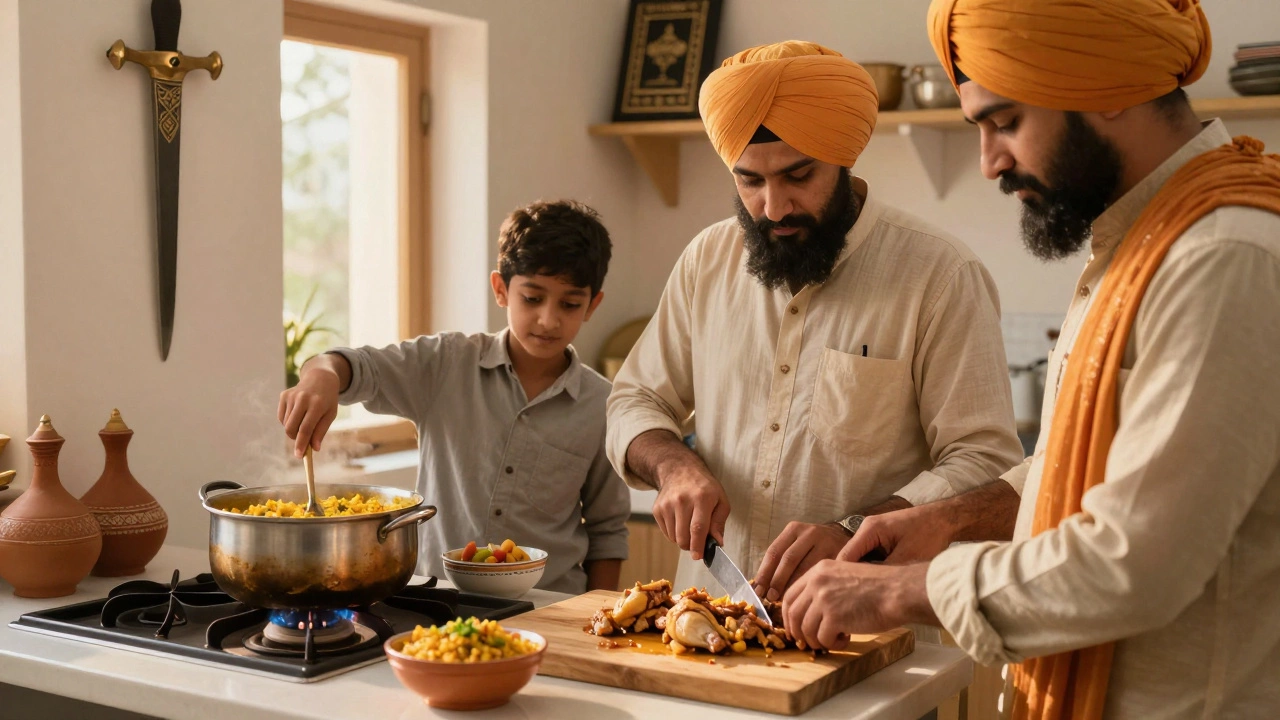
Is Eating Chicken a Sin in Sikhism? Understanding Dietary Practices in Sikh Faith
Eating chicken is not a sin in Sikhism. The faith allows meat but rejects ritual slaughter. What matters is intention, not the food itself. Many Sikhs eat chicken using jhatka method, while others choose vegetarianism for personal or cultural reasons.
Read More
Forbidden Foods in Sikhism: What You Need to Know
Sikhism has specific guidelines about what foods are allowed. This article explains which foods are forbidden for Sikhs and why, especially when it comes to quick Indian breakfast choices. Learn about the reasoning behind these food rules, how they affect everyday eating, and what alternatives are available. You'll also pick up tips for following these dietary customs without stress. Get a clear picture of what you should and shouldn't eat if you want to respect Sikh food beliefs.
Read More