Safe Food in India: What’s Safe to Eat and What to Avoid
When it comes to safe food in India, a culture where meals are made fresh daily and flavors run deep, safety isn’t about perfection—it’s about smart choices. Also known as food hygiene in India, it’s the practice of handling, storing, and preparing meals so they don’t make you sick—whether you’re at a busy Mumbai street corner or cooking paneer in your Delhi kitchen. Many travelers worry about getting sick from Indian food, but the real issue isn’t the spices or the curry—it’s how long food sits out, how ingredients are stored, and whether milk or paneer has gone bad.
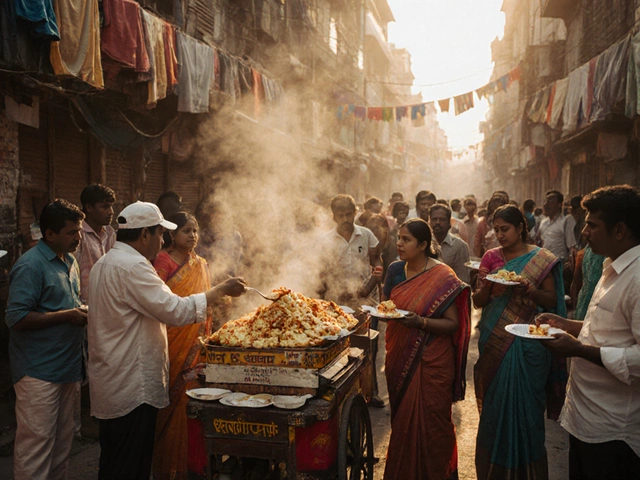
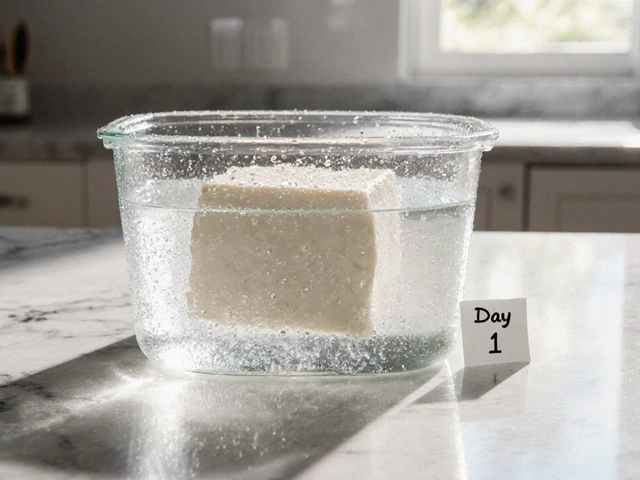
Spoiled paneer, a soft cheese made daily in homes across North India, is one of the biggest hidden risks. Homemade paneer lasts only 3 to 5 days, even in the fridge. After that, bacteria grow fast—no amount of cooking will kill all the toxins. That’s why recipes like 7-day-old paneer warnings matter. Same goes for coconut milk in curries: if it’s been open too long, it can sour and cause stomach upset. And while spices like hing (asafoetida) are safe and even help digestion, using old or damp ones can introduce mold. Street food is another area where safety isn’t about avoiding it—it’s about knowing what to look for. A busy stall with high turnover? Good sign. A vendor using the same oil for days? Red flag. Water used for washing veggies? If it’s tap water in a small town, skip the raw salads.
Food hygiene in India isn’t just about cleanliness—it’s about timing, temperature, and trust. Traditional meals like idli and dosa are naturally safe because they’re fermented, which kills harmful bacteria. But dishes with dairy, meat, or overnight leftovers? That’s where things go wrong. People think cooking kills everything, but if food sat out for hours before cooking, the damage is already done. And don’t assume “Indian food is always healthy”—it’s only healthy if the ingredients are fresh and handled right. You don’t need fancy gadgets to eat safely. Just keep an eye on smell, texture, and storage time. If paneer feels slimy or smells sour, toss it. If curry sits out past 2 hours in warm weather, don’t eat it. If the vendor doesn’t cover their food, walk away.
What you’ll find below isn’t a list of scary warnings—it’s a practical guide to enjoying India’s food without fear. From how long dal can sit in the fridge to why eggs are safe for most Hindus, from spotting bad coconut milk to choosing the right breakfast snacks that won’t wreck your gut—every post here is built on real experiences, not guesswork. You’ll learn what actually keeps you safe, not what the internet says you should avoid.
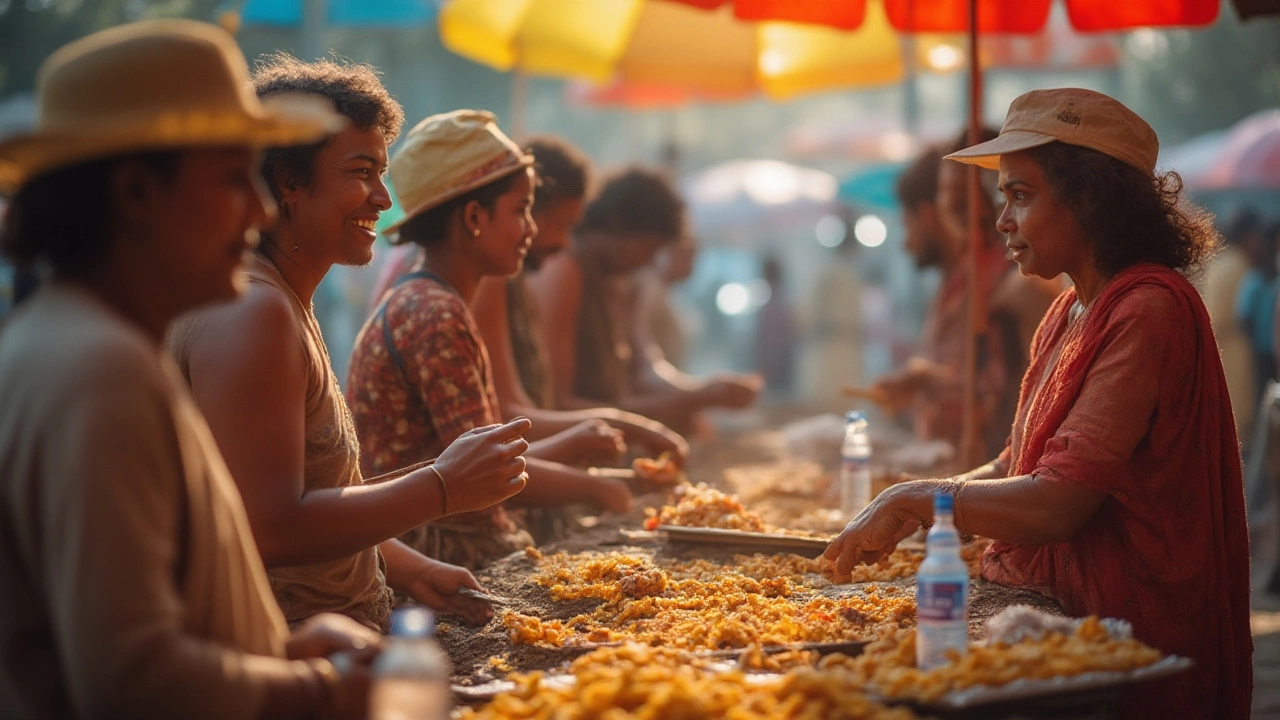
Staying Healthy While Traveling in India: Smart Tips to Avoid Getting Sick
Practical ways for travelers to stay healthy and avoid illness in India. Packed with easy, real-life tips on safe eating, drinking, hygiene, and medical care.
Read More