Roti Tips: Perfect Flatbreads Every Time with Simple Tricks
When you think of roti, a simple, unleavened Indian flatbread made from whole wheat flour, water, and salt. Also known as chapati, it’s the daily bread across homes in North India, and for good reason—it’s healthy, filling, and pairs with everything from dal to curry. But making roti that’s soft, puffing up nicely, and doesn’t turn hard or rubbery? That’s where most people struggle. It’s not about fancy equipment or secret ingredients. It’s about a few key roti tips that make all the difference.
The secret starts with the roti dough, a simple mix of atta (whole wheat flour), water, and a pinch of salt. It’s not bread dough, so don’t knead it like you’re making pizza. You want it firm but pliable—like the texture of your earlobe. Over-kneading makes it tough. Under-kneading makes it crack. Aim for 8–10 minutes, then let it rest for at least 30 minutes. This lets the gluten relax and the flour absorb water fully, which is why your roti will puff better later. Water temperature matters too. Cold water makes dough stiff. Warm water (not hot) helps the flour hydrate evenly. And don’t skip the oil or ghee—just a teaspoon mixed into the dough makes it softer and keeps it fresh longer.
Then there’s the roti cooking, the actual process of rolling and cooking on a hot surface. A tawa (flat griddle) is ideal, but a cast iron skillet works fine. Heat it until a drop of water sizzles and evaporates instantly. Too cold? Your roti will soak up oil and turn greasy. Too hot? It burns before it puffs. Roll your roti thin and even—thick spots won’t puff. Don’t use too much flour while rolling, or it’ll stick and dry out the dough. Flip it once it starts to bubble, then press gently with a cloth or spatula. That’s when the steam inside forces it to puff up like a balloon. If it doesn’t puff, the heat might be off, or the dough was too dry. Many people think roti must puff perfectly every time. It doesn’t. Even slightly flat roti tastes great. But with these tips, you’ll get that perfect puff more often than not.
And don’t forget the final touch: after cooking, stack your rotis in a clean cloth. The trapped steam keeps them soft for hours. If you’re making them ahead, wrap them in foil and reheat briefly on the tawa. No microwave—it turns them rubbery. These aren’t tricks from a chef’s kitchen. They’re the real, no-nonsense methods used in Indian homes every single day.
Below, you’ll find real advice from home cooks who’ve mastered roti after years of trial and error. You’ll learn how to fix common problems, what to do when your dough won’t roll, and why some rotis stay soft for days while others turn hard by lunchtime. No fluff. Just the tips that actually work.
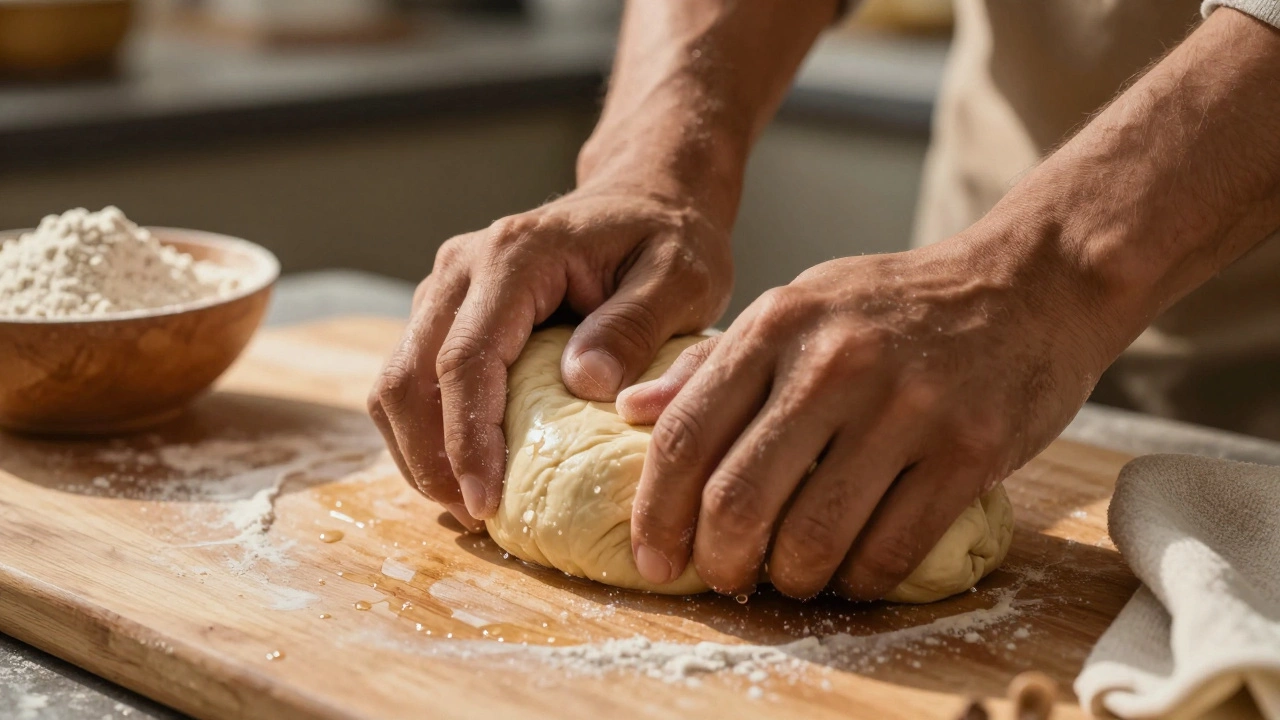
What Is the Secret to Fluffy Roti? The Simple Science Behind Perfectly Soft Indian Bread
Learn the real secrets behind making fluffy, soft roti every time-no magic, just the right flour, water temperature, kneading, and flame technique. Perfect for beginners and home cooks.
Read More
Naan vs Roti: What's the Real Difference?
Wondering whether to make naan or roti tonight? This article breaks down everything you need to know about the two classic Indian breads. You'll find out what sets them apart—from ingredients to cooking styles—and get a few handy tips for making both at home. We'll even squash a few common myths about roti and naan. Stick around and take your homemade bread game to the next level.
Read More