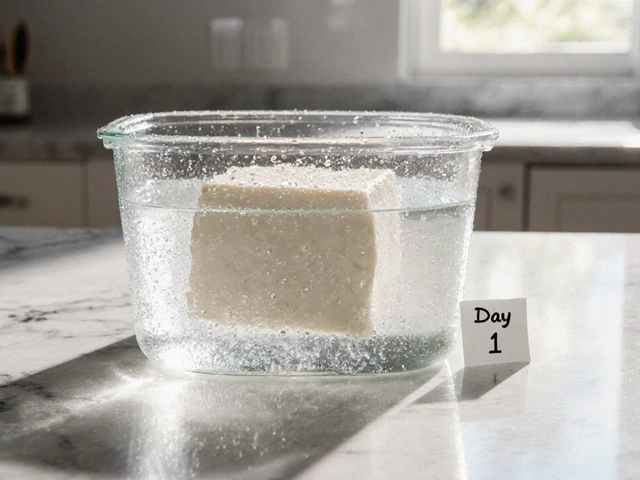
Perfect Dal Texture: How to Get Creamy, Smooth Lentils Every Time
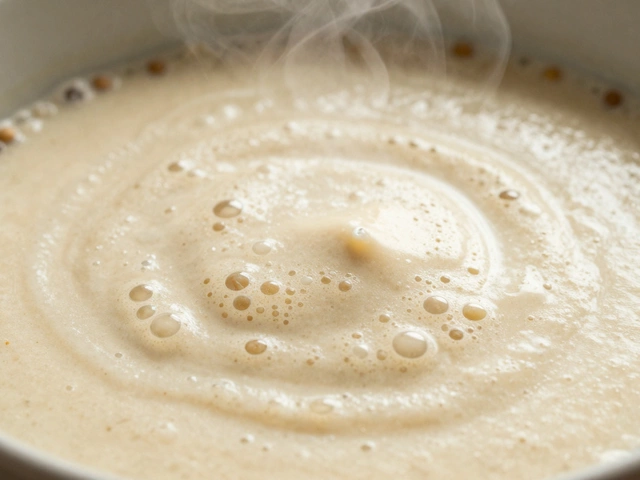
When you think of perfect dal texture, the ideal balance of creamy, tender lentils with just enough body to hold their shape. Also known as creamy lentil stew, it’s the kind of dal that clings gently to your spoon—not watery, not gluey, but rich and comforting. This isn’t about fancy ingredients. It’s about timing, heat, and a few quiet tricks most cooks overlook.
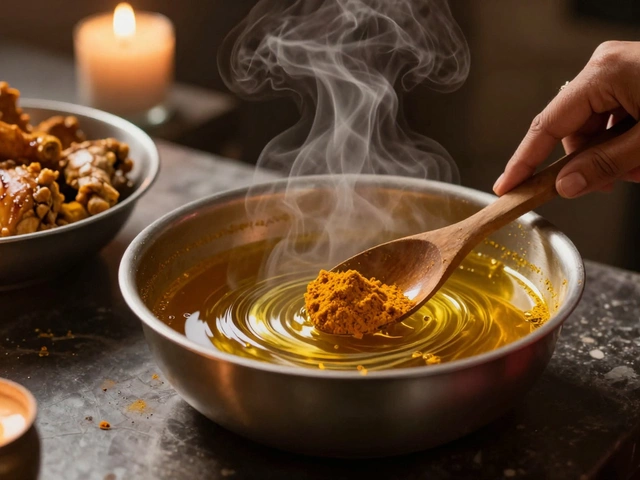
Dal, a staple in Indian households made from split lentils or pulses, can turn out bland or broken if you treat all types the same. Masoor dal cooks fast and breaks down easily—perfect for a silky consistency. Toor dal needs longer simmering and holds up better, giving you a thicker, heartier base. Tempering, the process of frying spices in hot oil or ghee, isn’t just for flavor—it seals in moisture and helps the dal retain its structure. Skip it, and your dal tastes flat and lifeless. And don’t forget soaking, a simple step that reduces cooking time and improves digestibility. Even 20 minutes makes a difference.
The biggest mistake? Boiling dal on high heat. That’s how you get mush. Simmer it low and slow, lid slightly ajar, stirring just enough to keep it from sticking. Add salt only at the end—adding it too early toughens the lentils. If your dal’s too thin, let it simmer uncovered for 10 minutes. Too thick? Stir in a splash of warm water or broth. No cream, no blender, no magic. Just patience and a few smart moves.
Below, you’ll find real recipes and fixes from home cooks who’ve cracked the code. Whether you’re struggling with split peas, lentils, or chickpeas, you’ll see exactly how to get that restaurant-style texture in your own kitchen. No guesswork. No fluff. Just what works.
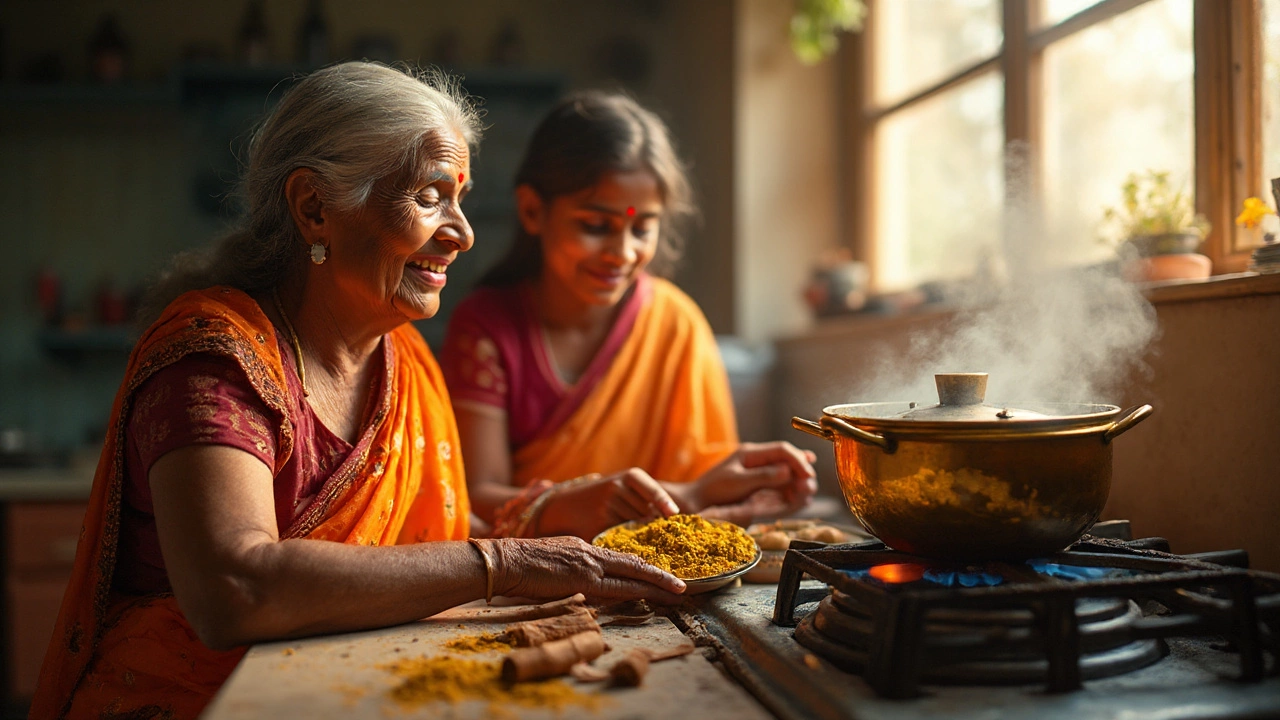
Should You Cover Dal While Cooking? The Science Behind Perfect Dal Every Time
Uncover the truth behind covering dal during cooking. Learn the science, traditions, and get practical tips to make your dal tastier, creamier, and less messy every single time.
Read MoreRecent Post