Peda Recipe: Authentic Indian Sweet Made Simple
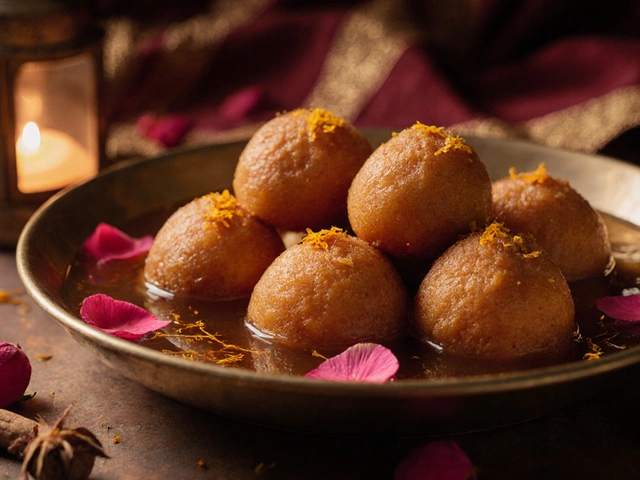
When you think of Peda, a soft, fudge-like Indian sweet made from reduced milk solids and sugar. Also known as milk fudge, it’s one of the most beloved desserts across North India, especially during festivals like Diwali and Holi. Unlike candy or cake, Peda has a rich, milky texture that melts in your mouth—no butter, no eggs, just pure khoya, sugar, and a hint of cardamom. It’s not fancy, but that’s why it’s perfect.
What makes Peda special isn’t just the taste—it’s the process. Making it at home means you control the quality of the khoya, which is basically milk simmered for hours until it thickens into a dense paste. You can buy it pre-made, but nothing beats the flavor of khoya you’ve cooked yourself. And while most recipes use plain sugar, traditional versions often add a touch of jaggery for a deeper, caramel-like note. Some families even stir in a pinch of saffron or a few crushed pistachios for color and crunch. The key? Patience. Rushing the simmering step ruins the texture. It’s not a 10-minute dessert—it’s a 45-minute labor of love.
Peda relates closely to other Indian sweets like Gulab Jamun, deep-fried milk balls soaked in syrup and Rasgulla, spongy cheese dumplings in light sugar syrup, but it stands apart because it’s shaped, not fried or boiled. You don’t need a special mold—just your hands and a little flour to keep it from sticking. It’s a sweet that’s passed down through generations, often made by grandmothers in small kitchens across Uttar Pradesh, Bihar, and Maharashtra.
If you’ve ever tried store-bought Peda and found it too dry or overly sweet, you know why homemade matters. The best versions are moist, slightly chewy, and just sweet enough to let the milk flavor shine. And while it’s a classic, it’s also flexible—you can make it with low-fat milk, use dates instead of sugar, or even add cocoa powder for a modern twist. It’s not just dessert—it’s comfort in a bite.
Below, you’ll find real recipes from home cooks who’ve perfected Peda over years of trial and error. Some use cow’s milk, others use buffalo. Some add rose water, others skip it. No two are exactly alike—and that’s the beauty of it. Whether you’re making it for the first time or just looking to improve your technique, these posts give you the no-nonsense tips that actually work.
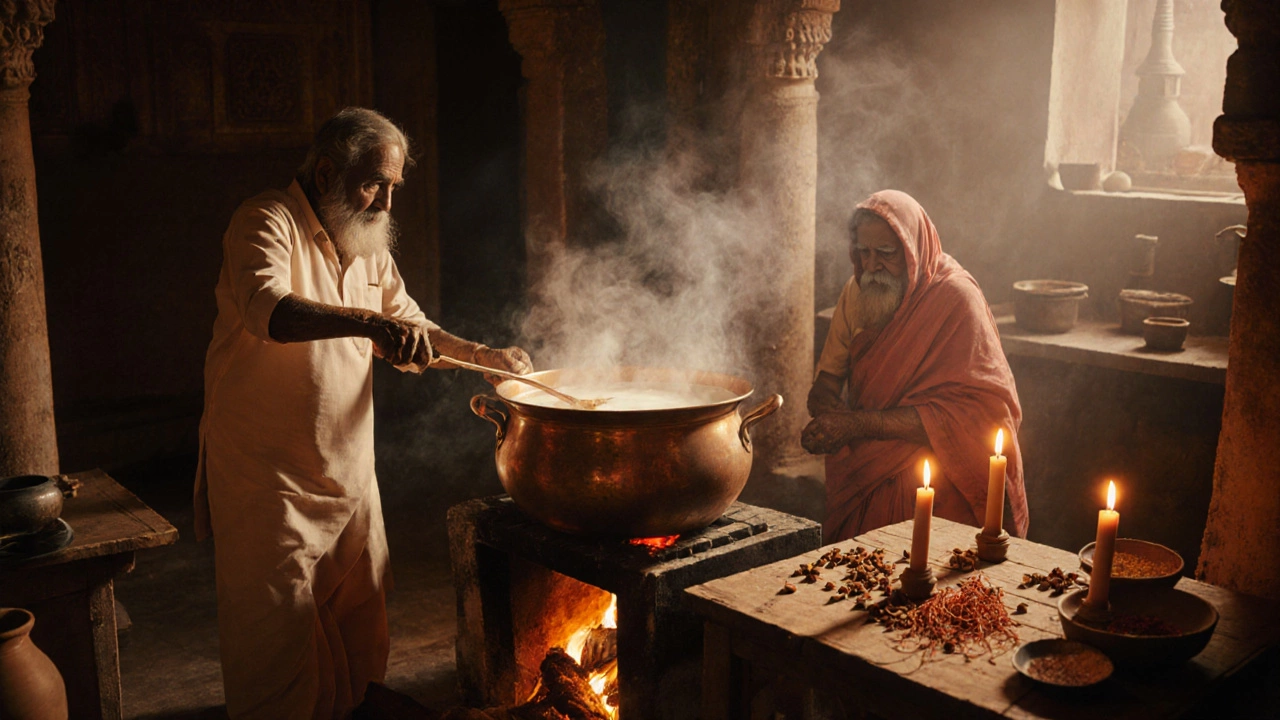
What Is the Oldest Sweet in India? The Ancient Origins of Peda
Peda is the oldest known sweet in India, dating back over 500 years to Mathura. Made from just milk and sugar, it's a simple, sacred dessert still made the same way today.
Read More