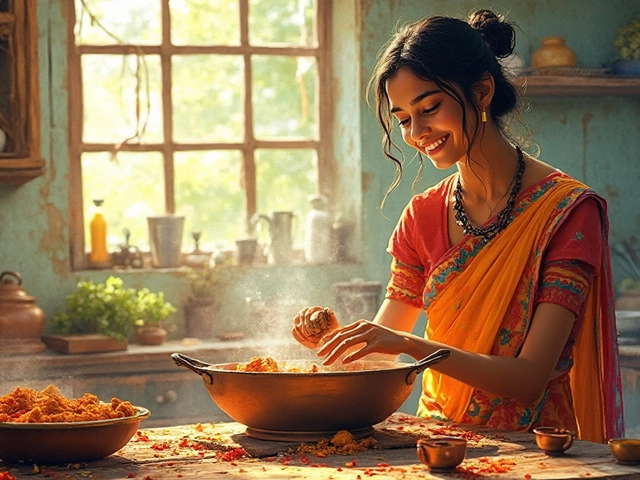
Indian Vegetarian Cuisine: Simple, Nutritious, and Full of Flavor
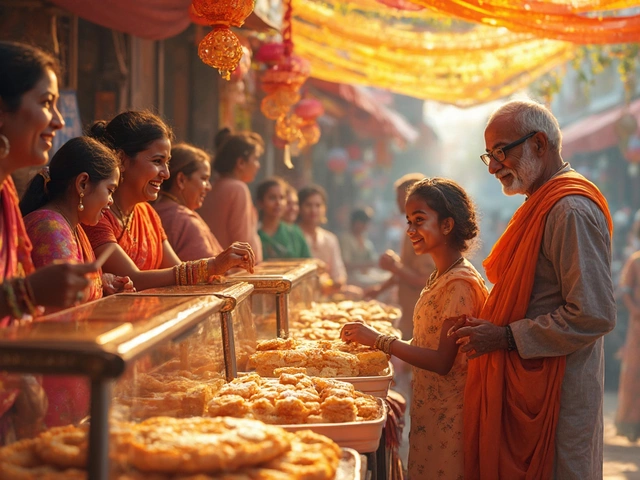
When you think of Indian vegetarian cuisine, a rich, spice-driven way of eating centered around lentils, dairy, vegetables, and grains, with deep roots in Hindu traditions and regional diversity. Also known as Hindu vegetarian cooking, it doesn’t just mean skipping meat—it’s a whole system built on flavor, balance, and daily ritual. This isn’t just salads and tofu. It’s dal, a daily stew made from split lentils or pulses, cooked with turmeric, cumin, and garlic, and served with rice or flatbread that feeds millions every day. It’s paneer, a fresh, non-melting cheese made by curdling milk with lemon or vinegar, used in everything from curries to grilled snacks that holds its shape and soaks up spices like a sponge. And it’s sweets like peda, an ancient dessert made from reduced milk and sugar, often offered in temples and homes alike, where sweetness isn’t just dessert—it’s part of celebration and devotion.
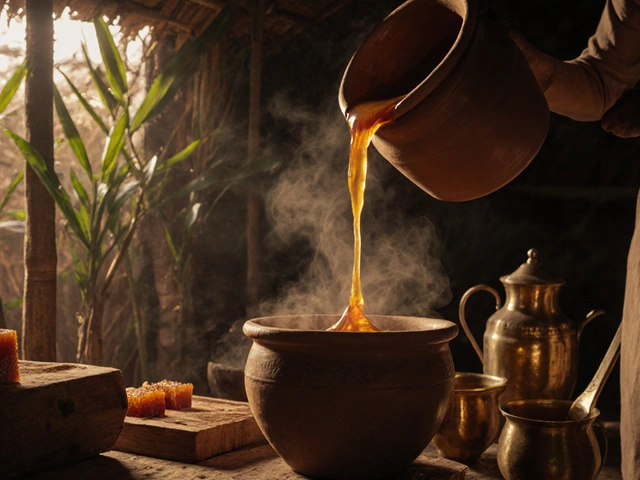
What makes this cuisine stand out isn’t just what’s in it, but how it’s made. No fancy gadgets. No imported ingredients. Just pots, fire, and time. The magic happens in the tempering—when mustard seeds pop in hot oil, or when asafoetida (hing) releases its earthy punch into lentils. You don’t need to be vegan or religious to eat this way—you just need to understand that Indian vegetarian cuisine is built on layers: texture from crunchy fried lentils, creaminess from yogurt-based gravies, and depth from slow-cooked spices. It’s also smart food. Dal gives you protein without meat. Paneer gives you calcium without dairy processing. Fermented foods like idli and dosa help your gut. Even sweets often use jaggery or khoya instead of refined sugar. This isn’t a trend. It’s centuries of trial and error, passed down through kitchens where flavor always came before fads.
People ask if eating this way is healthy. The answer isn’t yes or no—it’s more complicated than that. Yes, it’s full of fiber, plant protein, and antioxidants. But it can also be heavy on oil or sugar if you’re not careful. That’s why the best recipes balance taste with tradition. You’ll find here how to pick the healthiest dal, how to store paneer so it doesn’t go bad in five days, and why some Hindus avoid eggs even if it’s not a religious rule. You’ll learn how to make sweets that don’t spike your blood sugar, and why the same curry tastes better when you add coconut milk without letting it curdle. These aren’t random tips. They’re the real tricks used in homes across India—tested, shared, and trusted.
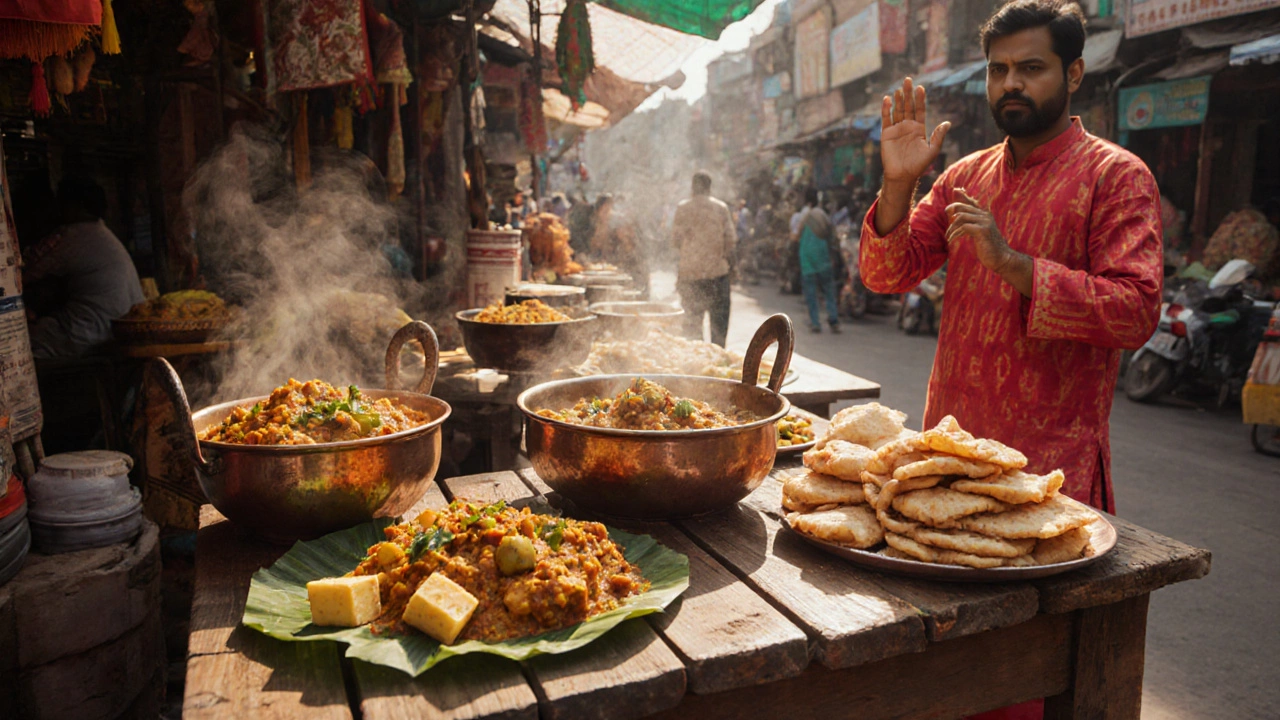
Best Vegetarian Indian Dish: Chole Bhature Revealed
Explore why Chole Bhature is crowned the best vegetarian Indian dish, with flavor scores, recipes, tips, and side pairings for an authentic experience.
Read More