Indian Mithai: Traditional Sweets, Healthier Options, and Ancient Recipes
When you think of Indian mithai, a broad category of traditional Indian sweets made with milk, sugar, nuts, and spices. Also known as Indian desserts, it’s the heart of festivals, weddings, and everyday moments of joy. This isn’t just sugar—it’s history in every bite. Take Peda, the oldest known Indian sweet, dating back over 500 years to Mathura. Made from just milk and sugar, it’s been cooked the same way for generations, passed down like a family recipe. And while many assume all mithai is heavy and sugary, that’s not the whole story. Many traditional sweets use jaggery, an unrefined cane sugar that adds depth and minerals instead of white sugar. Others rely on khoya, milk solids reduced slowly to create a rich, creamy base—no artificial flavors, no preservatives.
Indian mithai isn’t one thing. It’s a map of India’s regions. In the south, you’ll find mysore pak made with gram flour and ghee. In the north, barfi and gulab jamun dominate. In the east, rasgulla floats in syrup, and in the west, shrikhand blends yogurt with cardamom. Each version reflects local ingredients, climate, and customs. But here’s the truth most people miss: you don’t need to eat a whole plate to enjoy it. Many modern recipes cut sugar by half, swap refined flour for ragi or oats, and use dates or coconut sugar. The healthiest Indian sweets aren’t a myth—they’re just less talked about. Think ragi laddus, date halwa, or jaggery-coated nuts—all still sweet, still satisfying, but with real nutrition behind them. And if you’ve ever wondered why some sweets last weeks while others spoil in days, it’s because of how they’re made. Khoya-based sweets last longer because they’re low in moisture. Syrup-soaked ones? They need refrigeration. It’s not magic—it’s food science.
What you’ll find below isn’t just a list of recipes. It’s a curated collection of real stories, practical tips, and honest answers. You’ll learn why Peda is considered the oldest sweet, what sweeteners were used before white sugar became common, and how to make mithai that fits into a balanced diet. Whether you’re curious about the origins of your favorite dessert or looking for a healthier version to serve at Diwali, these posts give you the facts—not fluff. No gimmicks. No sugar-coated lies. Just clear, useful info to help you enjoy Indian mithai the way it was meant to be enjoyed—thoughtfully, deliciously, and without guilt.
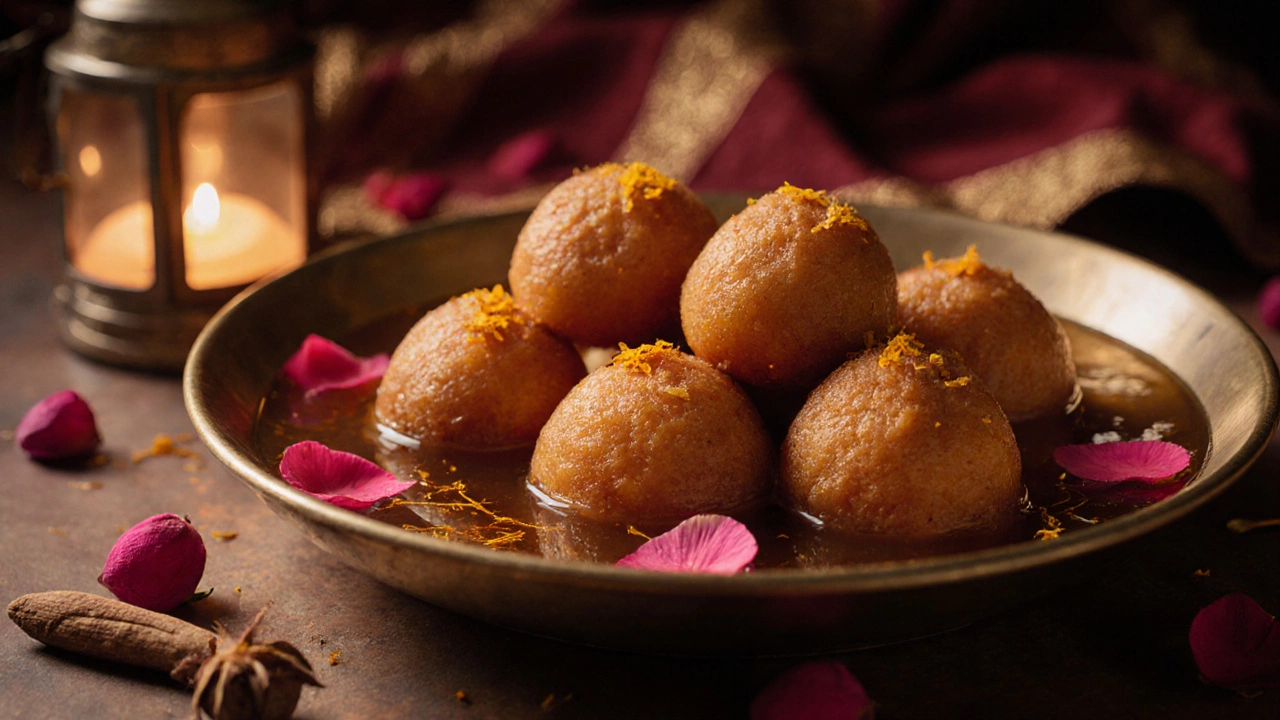
Discover India's Iconic Traditional Sweet: Gulab Jamun Explained
Explore the history, recipe, and regional twists of India's iconic traditional sweet, Gulab Jamun, and compare it with other classic Indian mithai.
Read More