Indian Food Health Benefits: Nutritious Dals, Sweets, and Breakfasts That Actually Help
When you think of Indian food, a vibrant, spice-driven cuisine rooted in regional traditions and ancient dietary wisdom. Also known as South Asian cuisine, it’s not just about bold flavors—it’s packed with ingredients that support digestion, energy, and long-term wellness. Think of dal, a simple, protein-rich lentil stew that’s eaten daily across India. It’s not just comfort food. One cup of cooked masoor dal gives you nearly 18 grams of plant-based protein and 15 grams of fiber, helping stabilize blood sugar and keep you full longer. That’s why it’s a staple in homes from Punjab to Tamil Nadu—not because it’s traditional, but because it works.
Then there’s Indian breakfast, a collection of regional morning meals designed for steady energy, not sugar spikes. Idli, made from fermented rice and lentils, is naturally probiotic and easy to digest. Poha and upma use flattened rice and vegetables, offering complex carbs without refined flour. These aren’t trendy superfoods—they’re everyday meals that keep people energized without crashes. Even paneer, a fresh cheese made by curdling milk with lemon or vinegar, delivers high-quality protein and calcium without the heavy fat of aged cheeses. When made at home, it’s free of additives, making it one of the cleanest protein sources in Indian kitchens.
And let’s talk about Indian sweets, not just sugary treats, but often made with natural sweeteners like jaggery, khoya, and dates. Unlike Western desserts loaded with refined sugar, traditional mithai like ragi laddu or date halwa use whole ingredients that bring minerals, fiber, and slow-releasing energy. Jaggery, for example, contains iron and trace minerals, making it a better choice than white sugar. You don’t have to give up sweets—you just need to know which ones actually nourish you.
What’s missing from most diet plans is the rhythm of Indian eating: meals built around whole grains, legumes, vegetables, and spices like turmeric and hing that have real anti-inflammatory power. It’s not about counting calories—it’s about eating food that’s been tested over centuries. The health benefits aren’t hidden in expensive supplements. They’re in your dal, your dosa, your morning poha, and even your homemade paneer.
Below, you’ll find real, tested insights on how these foods work—what makes dal the healthiest protein source, why fermented breakfasts beat cereal, which sweets won’t wreck your blood sugar, and how to avoid common mistakes that turn healthy dishes into empty calories. No fluff. Just what works.
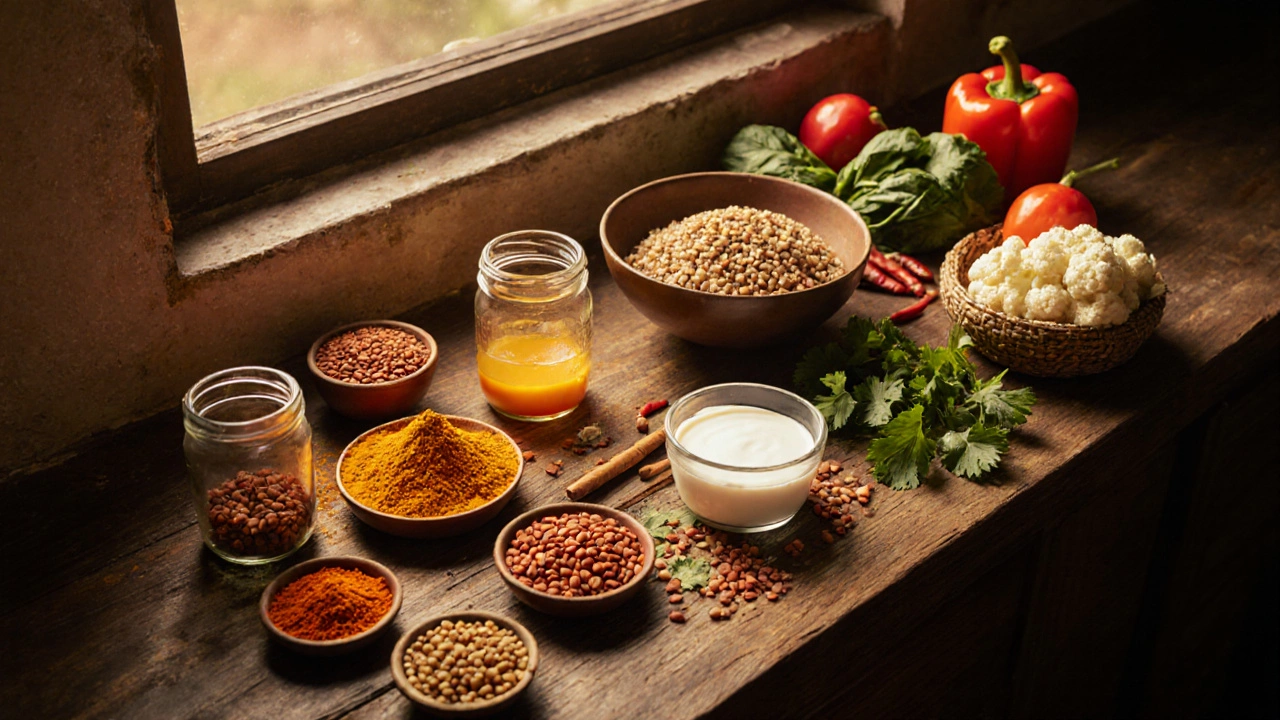
Is Indian Food Healthy? A Deep Dive into Nutrition and Easy Recipes
Explore the real health impact of Indian cuisine, learn nutrient‑rich ingredients, cooking hacks, and quick low‑calorie recipes to enjoy Indian flavors without the guilt.
Read More