Indian Cheese: Paneer and More – What It Is and How It’s Used
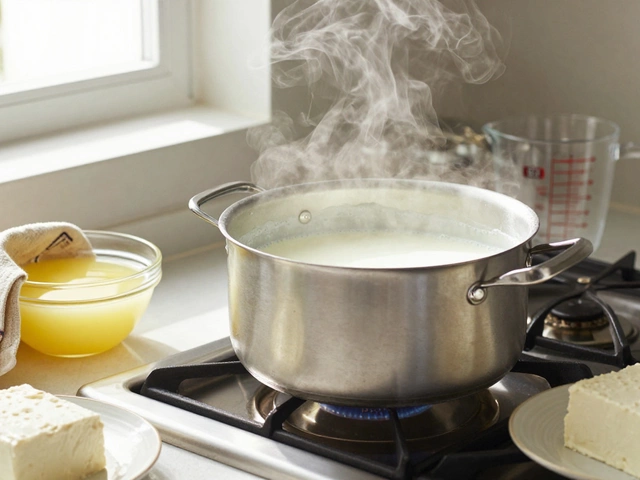
When people think of Indian cheese, a category of fresh, unaged dairy products central to Indian cooking, often centered around paneer. Also known as chenna, it’s not like the aged cheddars or creamy bries you find in Western supermarkets. It’s soft, crumbly, and holds its shape when cooked—perfect for frying, grilling, or simmering in spicy gravies. Unlike processed cheese, Indian cheese is made at home or by local dairies using simple methods: heat milk, add acid like lemon juice or vinegar, and strain the curds. No rennet, no aging, no preservatives. Just milk, heat, and patience.
This kind of cheese shows up everywhere—from paneer, the most common Indian cheese, made by curdling milk with acid and pressing it into blocks, in buttery paneer tikka masala, to khoya, a reduced milk solid used in sweets like gulab jamun and peda. Then there’s chhena, the unpressed version of paneer, which forms the base of many Bengali desserts. These aren’t just ingredients—they’re cultural staples. You won’t find them in the dairy aisle of your local grocery unless you’re in a well-stocked Indian market. Most Indian households make paneer fresh every few days because it doesn’t keep long. That’s why recipes like how to separate paneer from milk or homemade paneer shelf life are so common—they’re practical, not just theoretical.
Indian cheese works differently than Western cheese. It doesn’t melt. It doesn’t stretch. But it soaks up flavor like a sponge. That’s why it’s perfect for curries, stir-fries, and even grilled snacks. It’s the vegetarian answer to meat in many dishes, rich in protein and satisfying without being heavy. And because it’s made daily, it’s always fresh, never processed. If you’ve ever wondered why your paneer turns rubbery when you cook it, it’s likely because you’re using store-bought versions that have been treated or pressed too hard. Homemade paneer? Soft, springy, and full of milk flavor.
What you’ll find below is a collection of real, tested posts that answer the questions people actually ask: Can you eat week-old paneer? What’s the difference between paneer and chhena? How do you make it without a cheesecloth? Why does coconut milk sometimes ruin your curry when you add paneer? These aren’t theoretical guides—they’re the kind of advice you’d get from a neighbor who’s been making paneer since she was twelve. Whether you’re trying to cook like your grandma or just want to understand why Indian food uses cheese so differently, this is your starting point.
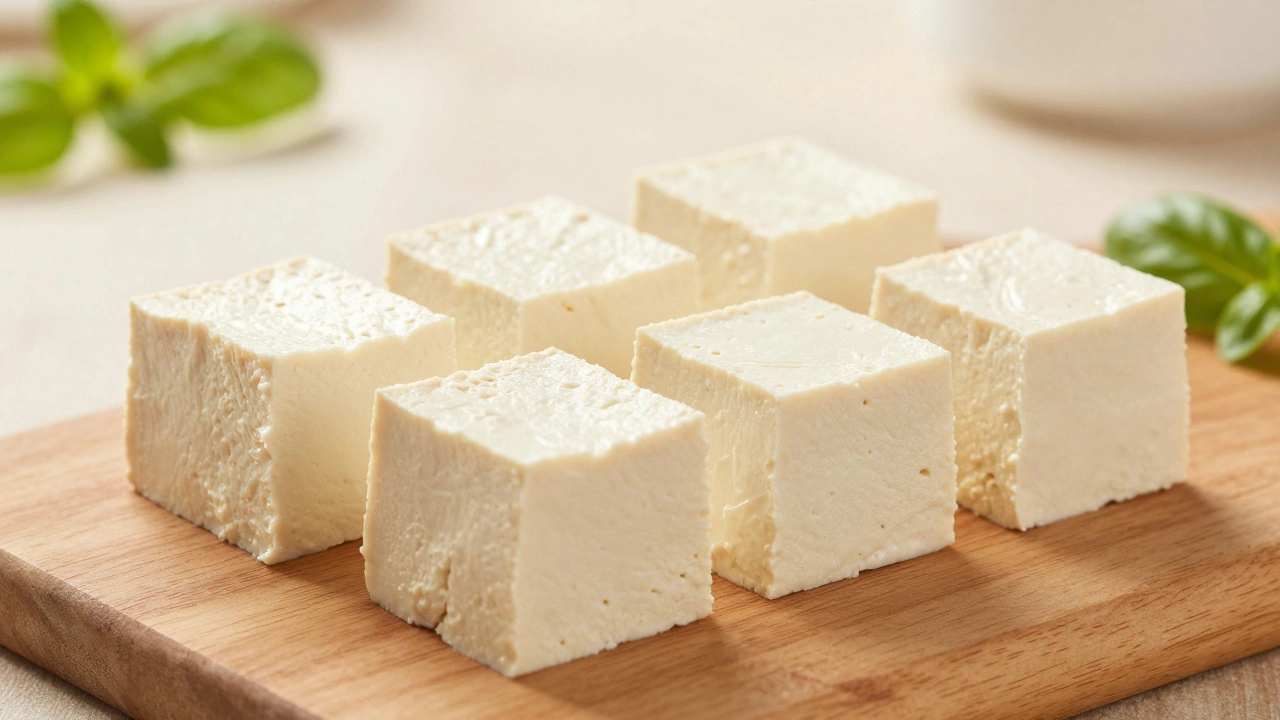
Why paneer is not vegan: A complete guide to dairy-free substitutes
Discover why traditional paneer is not vegan due to its milk base and explore the best plant-based alternatives like tofu and soy paneer for your next curry.
Read More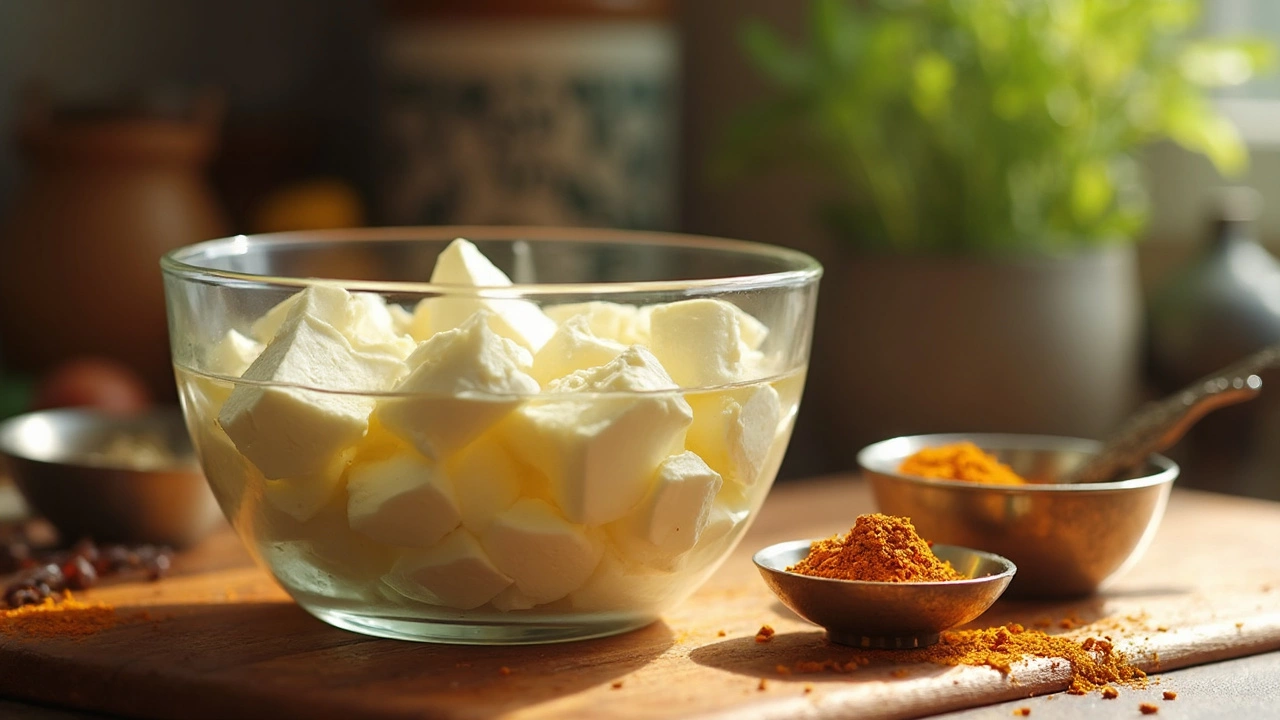
Why Soak Paneer Before Cooking: The Simple Secret to Softer Homemade Paneer
Wondering why everyone soaks paneer before tossing it into your favorite curry? This article breaks down the real reasons behind this step. You'll get quick, no-nonsense answers, along with a few helpful tricks for making your paneer extra soft and tasty. There are even some surprising facts about homemade paneer that most people miss. Get ready to step up your paneer game without extra hassle.
Read More