India Vegetarian: Best Dishes, Daily Staples, and Healthy Eating Secrets
When you think of India vegetarian, a vibrant, protein-rich food culture built on lentils, dairy, and spices, not meat. Also known as vegetarian Indian cuisine, it’s what millions eat every day—not out of trend, but because it’s delicious, affordable, and deeply rooted in tradition. This isn’t just about skipping meat. It’s about dal, a simple, spiced lentil stew that’s the backbone of Indian meals, eaten with rice or roti in homes from Delhi to Chennai. Dal isn’t one thing—it’s dozens: toor dal, masoor dal, chana dal—each with its own texture, flavor, and nutrition profile. And it’s not just protein. A bowl of dal gives you fiber, iron, and slow-burning energy, all without a single drop of oil in some versions.
Then there’s paneer, a fresh, non-melting cheese made by curdling milk with lemon or vinegar. You’ll find it grilled in paneer tikka, fried in paneer bhurji, or simmered in creamy gravies like palak paneer. Unlike Western cheeses, paneer doesn’t age—it’s made fresh daily. That’s why storing it too long is risky, and why so many posts here warn against eating week-old paneer. It’s not just about spoilage; it’s about respecting how this ingredient is meant to be used: fresh, simple, and full of clean flavor.
And let’s not forget breakfast. In India, breakfast isn’t toast and eggs. It’s idli, steamed rice-and-lentil cakes that are naturally fermented, light, and packed with probiotics, served with coconut chutney. Or poha, flattened rice cooked with mustard seeds, turmeric, and peanuts, a crunchy, savory start to the day. These aren’t fads—they’re centuries-old meals that keep people energized without sugar crashes. That’s why Indian breakfasts are ranked among the healthiest in the world: they use whole grains, legumes, and spices that work together, not against your body.
You won’t find a single vegetarian Indian dish here that’s bland or boring. The flavor comes from how spices are layered—hing for depth, cumin for earthiness, turmeric for color and calm. It’s not about heat; it’s about balance. Whether you’re eating chole bhature on a street corner in Delhi or a simple dal-rice plate in a village home, the same principles apply: fresh ingredients, smart technique, and patience.
What you’ll find below isn’t just a list of recipes. It’s a real look at how India eats—without meat, without compromise. You’ll learn why dal is the most important protein source for over 1.3 billion people, how to make paneer that doesn’t turn rubbery, which breakfasts actually help with weight loss, and why eggs are avoided by many even though Hinduism doesn’t forbid them. Every post here answers a real question someone asked while cooking at home. No fluff. No guesswork. Just clear, tested, everyday Indian vegetarian food.
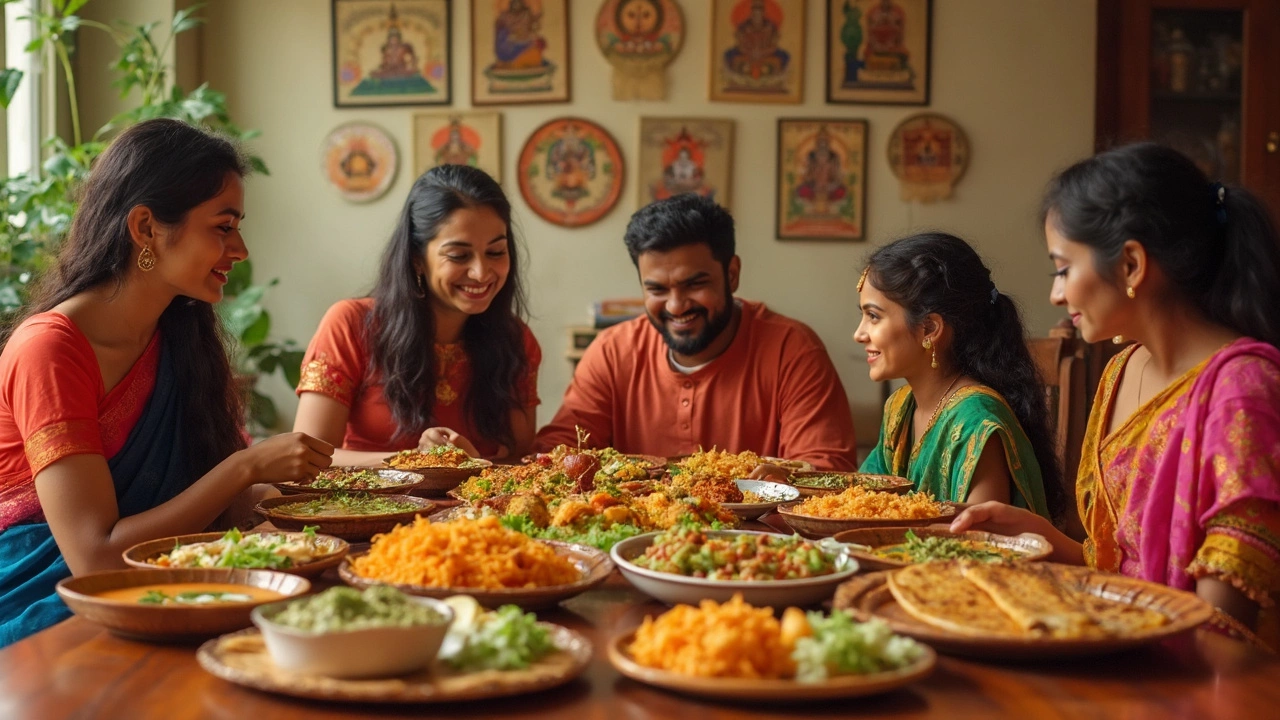
Why is India so Vegetarian? The Real Reasons Behind India's Plant-Based Plates
Ever wondered why so many people in India stick to vegetarian food? This article breaks down the unique mix of history, religion, and culture that keeps veggies at the center of Indian tables. It looks at the facts behind the numbers, explores common vegetarian ingredients, and highlights the most-loved dishes. You'll pick up tips for ordering, cooking, and trying Indian vegetarian food at home. No fluff—just straight answers for hungry minds.
Read More