Idli: The South Indian Steamed Rice Cake That’s Healthy, Easy, and Everywhere
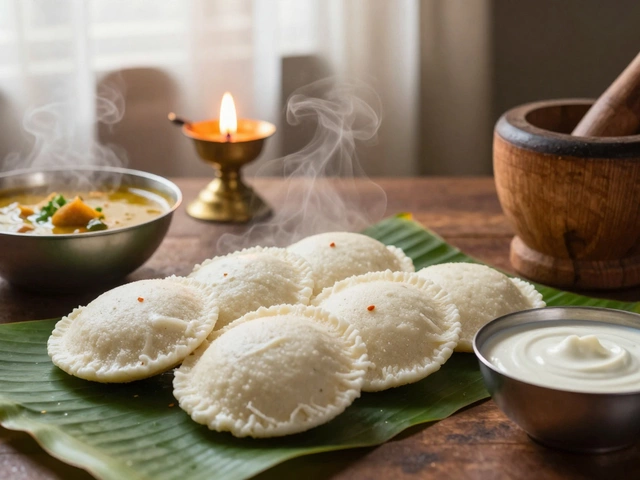
Idli, a soft, steamed rice cake made from fermented rice and black lentil batter. Also known as idly, it’s one of India’s most popular breakfast foods—especially in Tamil Nadu, Karnataka, Andhra Pradesh, and Kerala. Unlike most breads or pancakes, idli doesn’t need yeast or baking powder. It rises naturally because of wild bacteria and yeast that live in the air, turning a simple mix of rice and urad dal into something light, fluffy, and easy to digest.
This isn’t just comfort food—it’s functional food. The fermentation process breaks down starches and phytic acid, making nutrients like iron and B vitamins easier for your body to absorb. That’s why idli is often recommended for kids, seniors, and people recovering from illness. It’s low in fat, high in protein thanks to the lentils, and has a low glycemic index, meaning it won’t spike your blood sugar. Pair it with coconut chutney or sambar, and you’ve got a meal that’s been feeding families for generations without a single processed ingredient.
Fermented rice batter, the base of idli and dosa, is what makes this dish special. It’s not just soaking rice overnight—it’s a slow, natural transformation that turns plain grains into something alive with probiotics. This same batter is used for dosa, a crispy fermented crepe, and even uttapam. The science behind it is simple: warmth, time, and a little patience. You don’t need a fancy machine. A warm corner of your kitchen, a cloth cover, and 8–12 hours are all it takes.
People often think idli is hard to make, but it’s one of the easiest dishes to get right if you follow the basics. The ratio of rice to lentils matters—usually 3:1. The water you use should be clean and at room temperature. And the batter must ferment fully. If it doesn’t rise, your idlis will be dense. If it ferments too long, they’ll taste sour. It’s a balance, not a recipe.
And while idli is rooted in South India, you’ll find versions of it all over the country now—from Mumbai street stalls to Delhi cafes. Even in the U.S., people are making it at home because it’s one of the few Indian foods that’s naturally gluten-free, vegan, and packed with good bacteria. It’s not trendy. It’s timeless.
Below, you’ll find real recipes, common mistakes people make, and tips for getting that perfect fluffy texture every time. Whether you’re new to Indian cooking or just looking for a healthier breakfast option, the posts here will show you how idli works—no fluff, no jargon, just what actually matters in the kitchen.
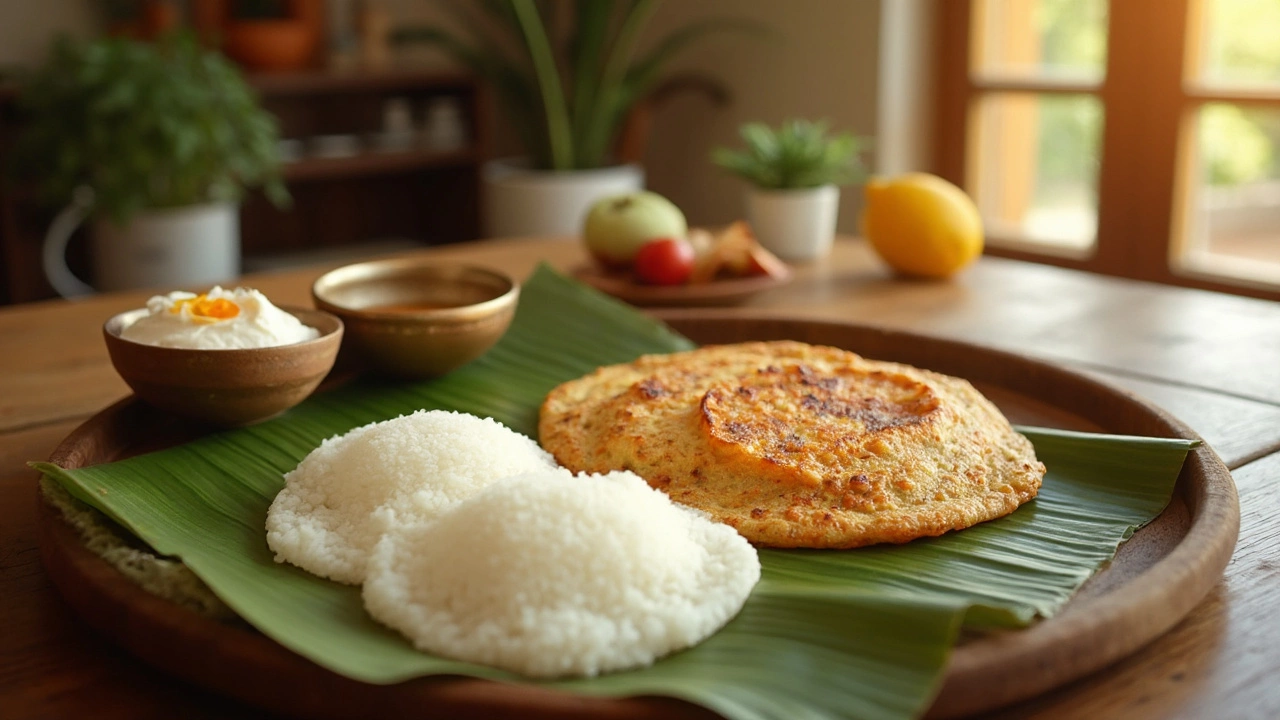
Idli vs. Dosa: Which Is Healthier for You?
Ever wondered if you should pick idli or dosa as the healthier choice? This article peels back the layers on both these South Indian classics, looking at calories, nutrition, portion sizes, and how your choice of batter can make a difference. You'll discover which is better for weight watchers, which keeps you full for longer, and what tweaks can level up their health factor. Simple tips and honest facts—no fluff. If dosa batter's on your mind, this is your no-nonsense guide.
Read More