How to Make Curry: Simple Secrets for Flavorful Indian Curries
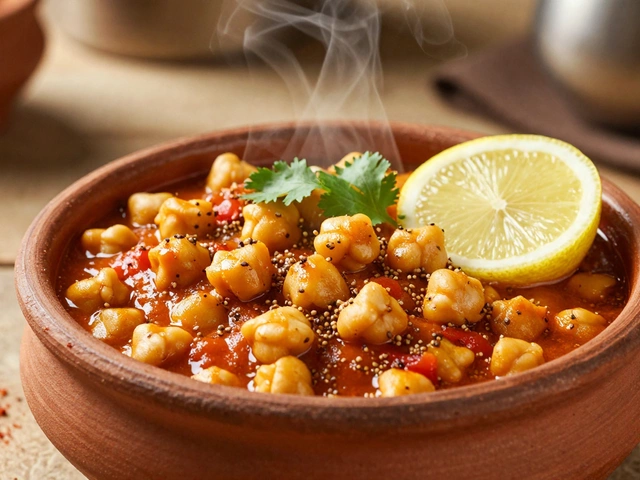
When you ask how to make curry, a spiced stew from India that can be made with meat, vegetables, or lentils. Also known as curry dish, it’s not one recipe—it’s a whole way of cooking that balances heat, aroma, and depth. Most people think curry is just powder in a jar, but real Indian curry starts with whole spices toasted in oil, then ground fresh or used whole. It’s about timing, not just ingredients. A good curry builds flavor in layers: first the whole spices sizzle in hot oil, then onions caramelize, then ginger-garlic paste blooms, and finally, the main ingredient—chicken, paneer, or dal, a simple, protein-rich lentil stew that’s a daily staple across India—gets added slowly to absorb every note.
What makes one curry taste rich and another taste flat? It’s not the amount of spice. It’s how you use them. For example, asafoetida (hing), a pungent resin used in small amounts to deepen flavor and aid digestion, is the secret behind many home-cooked curries but rarely shows up in store-bought mixes. Or how coconut milk can turn a curry silky—if you add it right. Too hot, and it splits. Too early, and it loses its creaminess. These aren’t tricks—they’re small, repeatable steps that anyone can learn. Even chicken curry, a popular dish with tender meat, tomatoes, and warm spices, becomes unforgettable when you let the spices bloom before adding liquid, not after.
You don’t need fancy tools or imported ingredients. Most Indian curries use what’s already in your pantry: cumin, coriander, turmeric, chili powder, and garam masala. The trick is knowing when to add each one. Some spices go in at the start. Others, like garam masala, are stirred in at the end to keep their fragrance alive. And don’t skip the final simmer. That’s when flavors marry. A good curry tastes better the next day—not because it’s reheated, but because the spices keep working.
Whether you’re making a quick dal for lunch or a slow-cooked chicken curry for dinner, the rules stay the same: start with heat, build slowly, taste often, and trust your nose. The posts below show you exactly how real home cooks do it—from fixing curdled coconut milk to choosing the healthiest dal, from storing paneer safely to making chicken curry taste like it came from a street stall in Mumbai. No fluff. Just clear, tested steps that work.
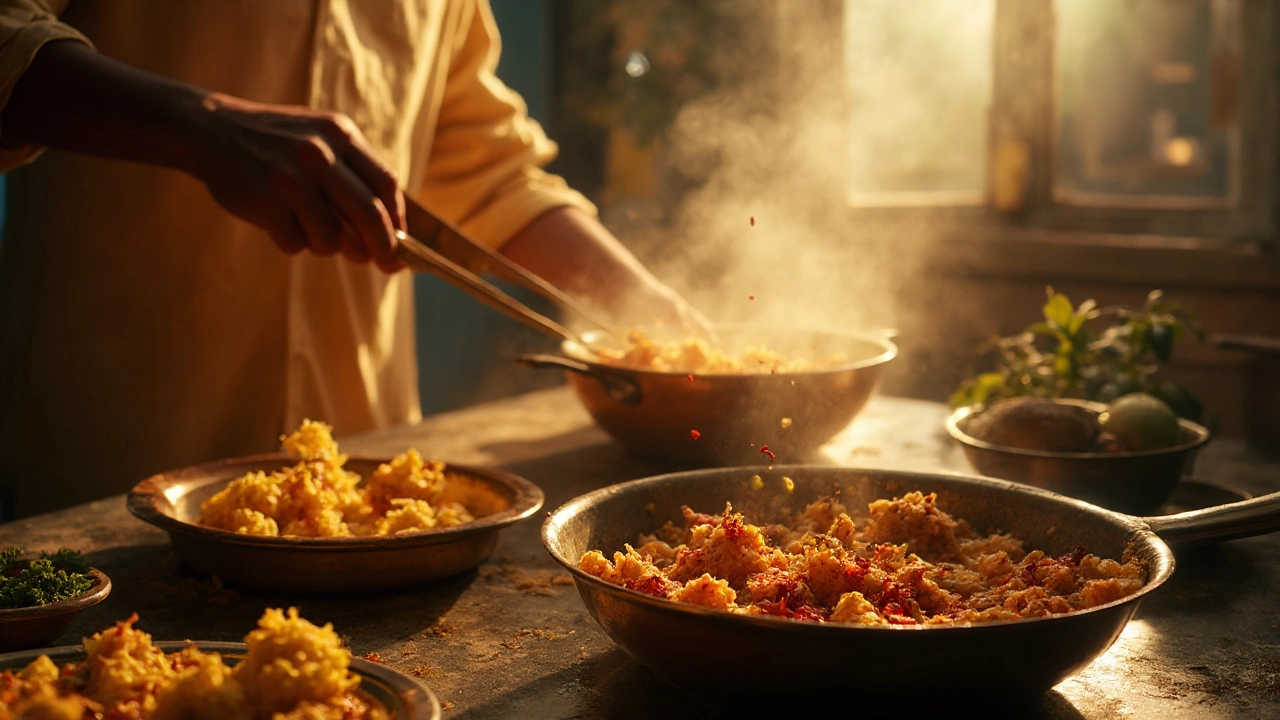
What’s the Secret to a Good Curry? Proven Tips for Deep, Balanced Flavor
The real secret to a great curry? Technique and balance. Learn to bloom spices, brown onions, bhunao the paste, and finish with acid for big, restaurant-level flavor.
Read More