Healthy Indian Sweets: Natural, Traditional Desserts Without the Guilt
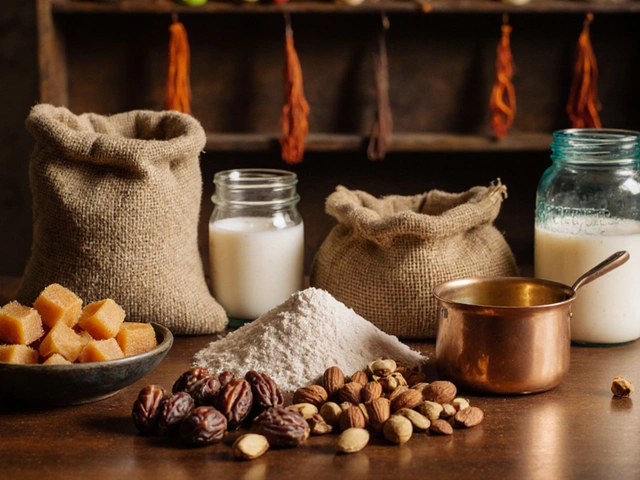
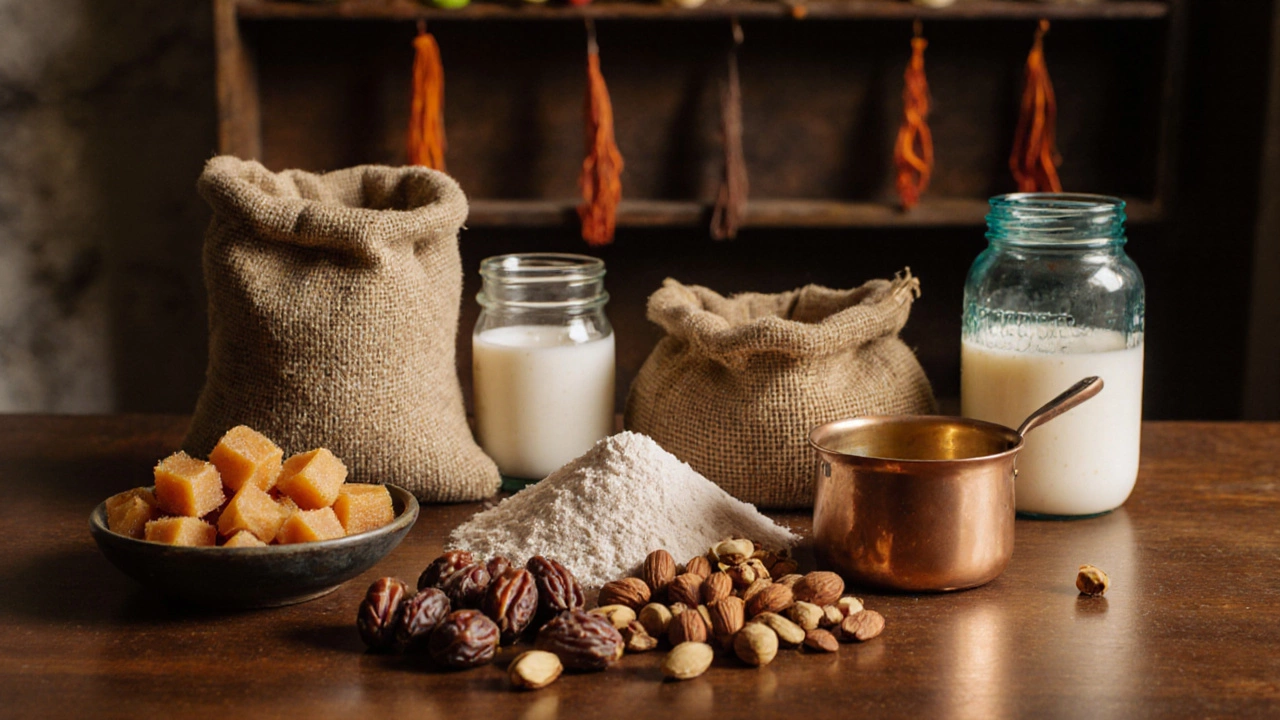
When you think of healthy Indian sweets, traditional Indian desserts made with natural sweeteners like jaggery and khoya, not refined sugar. Also known as guilt-free mithai, these treats are rooted in centuries of Ayurvedic wisdom and regional cooking practices that prioritize nourishment over empty calories. Most people assume Indian sweets are just sugar bombs—but that’s not true. The real ones, the kind made in homes and small temples across Uttar Pradesh, Gujarat, and Tamil Nadu, use jaggery, unrefined cane sugar packed with minerals and a deep caramel flavor instead of white sugar. They use khoya, slow-cooked milk solids that add richness and protein, not cream or condensed milk. And they often include nuts, seeds, and spices like cardamom and saffron—not just for taste, but for digestion and energy balance.
These aren’t just old-school recipes. They’re smart food. A single piece of healthy Indian sweets made with jaggery and almond flour gives you slow-release energy, unlike a candy bar that spikes blood sugar and crashes you by noon. Traditional peda from Mathura? Made with just milk and jaggery, simmered for hours until it thickens naturally. No preservatives. No artificial flavors. Just milk, heat, and time. Gulab jamun? When made with khoya and soaked in light syrup instead of heavy sugar syrup, it’s a dessert you can enjoy without regret. Even modern twists—like oats-based barfi or coconut milk halwa—keep the soul of the sweet but cut the sugar by half. The real shift isn’t in the ingredients. It’s in the mindset. Indian grandmothers didn’t call sweets "treats." They called them "prasad"—something offered with gratitude, meant to be savored, not stuffed.
What you’ll find in the posts below isn’t a list of diet desserts. It’s a collection of real, tested recipes and insights from people who cook these sweets daily. You’ll learn why jaggery beats sugar in Indian desserts, how to tell if khoya is fresh, and which sweets actually help with digestion instead of hurting it. You’ll see how traditional sweeteners like palm syrup and date paste are quietly replacing sugar in kitchens from Delhi to Chennai. And you’ll find out why some of the healthiest Indian sweets aren’t even sweet at all—they’re just milk, slow-cooked, and served warm.
Healthiest Indian Sweets: Low‑Sugar Desserts You Can Enjoy
Discover the healthiest Indian sweets, from ragi laddus to date halwa, with nutrition facts, easy recipes, and smart swaps for low‑sugar, high‑protein desserts.
Read More