Grilling Tips: Master the Fire for Juicy, Flavorful Indian Meals
When you think of grilling, the direct, high-heat cooking method that locks in flavor and creates a smoky crust. Also known as barbecuing, it’s how India turns simple meats and veggies into unforgettable meals—think tandoori chicken sizzling on clay walls or kebabs charred over charcoal. It’s not just about turning food on a stick. Good grilling in an Indian context means understanding heat control, spice penetration, and how moisture behaves under fire.
Many people fail at grilling Indian food because they treat it like a Western steak. But tandoori marinades, with yogurt, lemon, and spices like cumin and garam masala, need low-and-slow heat to cook through without burning. If you crank the fire too high, the outside turns to charcoal while the inside stays raw. That’s why charcoal grill, the traditional fuel for authentic Indian grilling, offering uneven but rich heat works better than gas for many dishes. The smokiness from burning wood or coconut husks isn’t just flavor—it’s tradition. And if you don’t have a tandoor, a cast-iron skillet or grill pan preheated on medium-high gets you close.
tandoor cooking, a centuries-old method using a clay oven heated by wood or charcoal isn’t just for restaurants. You can replicate it at home with a covered grill and a drip pan to catch fat and create steam. The key? Patience. Marinate your chicken or paneer for at least 6 hours—overnight is better. The yogurt breaks down proteins so the meat stays tender, even when it hits high heat. Don’t skip the oil brush before grilling. It stops sticking and helps the spices form that perfect crust.
And what about vegetables? Grilled bell peppers, onions, and eggplant soak up spice like sponges. Toss them in a little oil, cumin powder, and a pinch of amchur before throwing them on. They char faster than meat, so keep them close to the heat but not directly over the flames. Flip often. You want char marks, not blackouts.
One mistake most home grillers make? Flipping too early. Let the meat sit. If it sticks, it’s not ready. When it releases easily, flip once. That’s it. No poking. No pressing. You’re not squeezing a sponge—you’re preserving juice. And if you’re using skewers, soak them in water for 30 minutes first. Dry wood burns, and you don’t want your kebabs catching fire before the meat does.
Grilling isn’t about fancy tools. It’s about timing, temperature, and respect for the ingredients. Whether you’re making chicken tikka, malai kebab, or even grilled paneer sandwiches, the same rules apply: low and slow for tender, high and direct for char, and always, always let it rest for five minutes after pulling it off the heat. That’s when the juices settle back in.
Below, you’ll find real-tested advice from home cooks who’ve cracked the code on Indian grilling—no guesswork, no fluff. Just what works, when it works, and why it works.
Which Oil Is Best for Tandoori Chicken? Your Guide to Nailing It
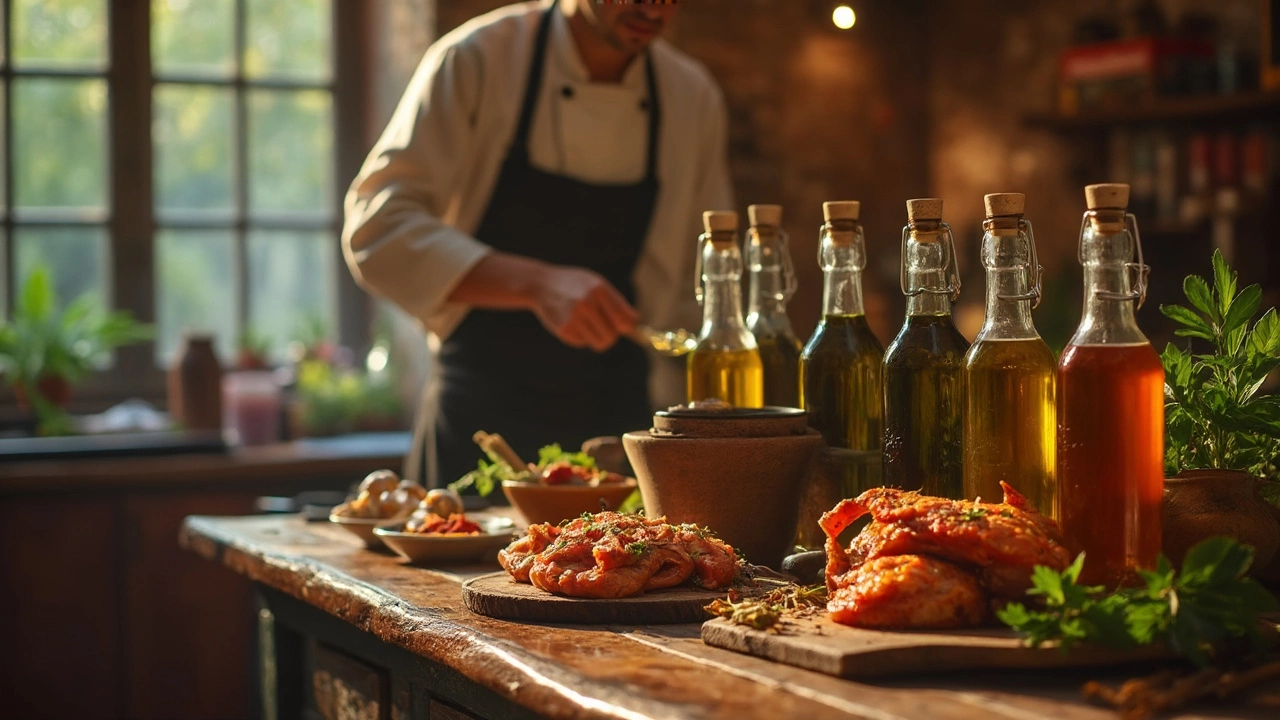
Picking the right oil can make or break your tandoori chicken. This guide covers the reasons why oil matters, compares popular choices, and explains how each affects taste and texture. Find tips on choosing healthy options and answers to the most common mistakes. By the end, you'll know exactly which oil works best for tandoori chicken and how to use it for mouthwatering results.
Read More