Food Safety in India: What You Need to Know About Street Food, Storage, and Spoilage
When it comes to food safety in India, the system of handling, storing, and preparing food to prevent illness. Also known as food hygiene, it’s not about fancy rules—it’s about knowing what’s safe to eat, when it’s gone bad, and how to avoid getting sick. You don’t need to avoid Indian food to stay healthy. You just need to know what to watch for.
Take paneer, a fresh Indian cheese made by curdling milk with acid. Also known as Indian cottage cheese, it’s delicious but spoils fast—often within 5 days if not stored right. Eating 7-day-old paneer? Don’t risk it. Even if it looks fine, bacteria grow invisible and fast. Same goes for dal, a daily lentil stew that’s a staple across India. Stored too long or left out in heat, it becomes a breeding ground for germs. And while street food is part of India’s soul, not all stalls follow safe practices. The real question isn’t whether Indian food is safe—it’s how to pick the good spots and spot the bad.
What actually makes food unsafe in India?
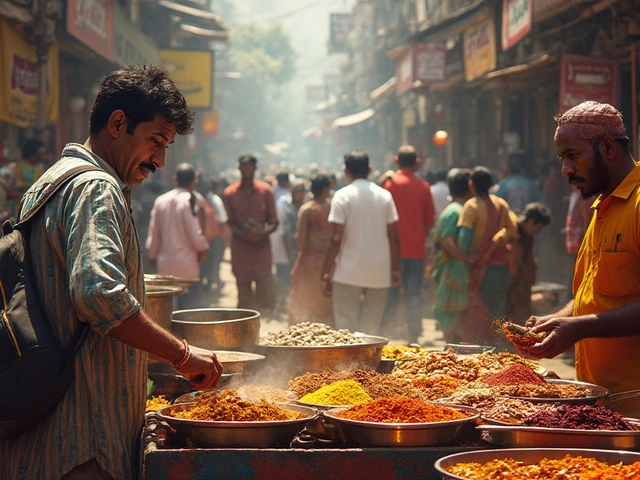
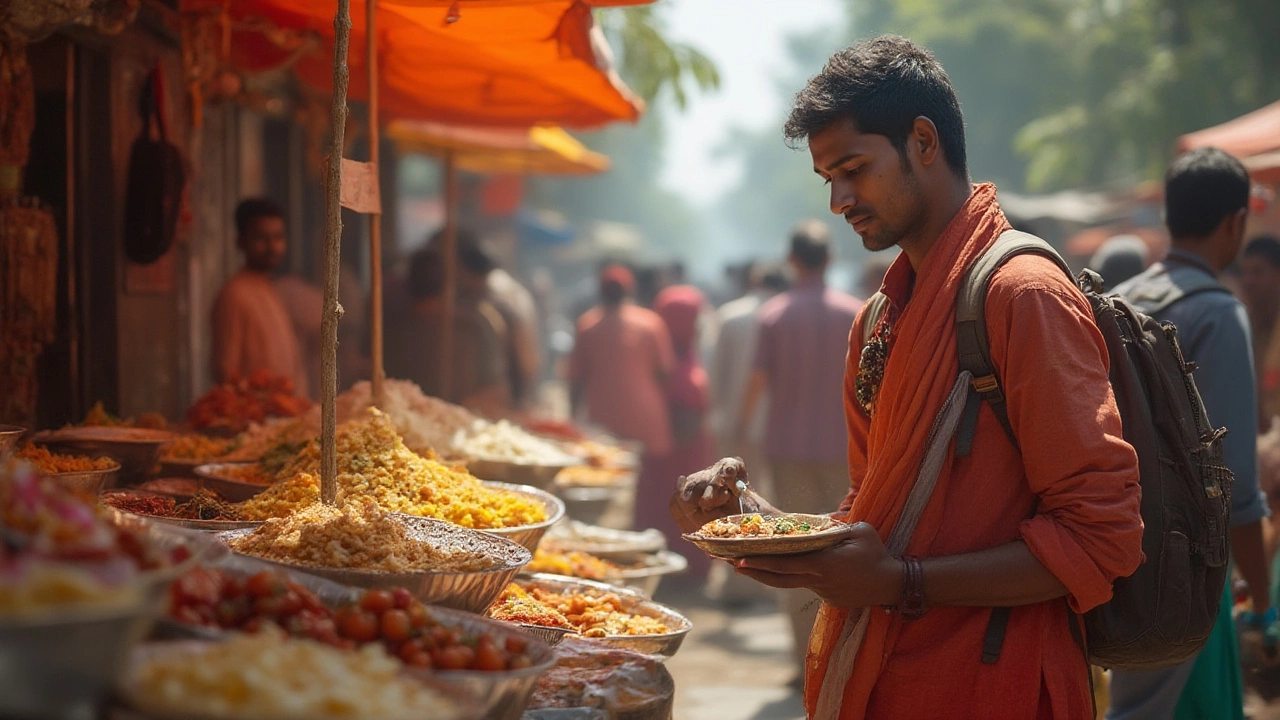
It’s not always the spice or the oil. It’s the water used to wash vegetables, the ice in drinks, the unrefrigerated dairy, the reused oil in fryers. Food safety in India isn’t about avoiding street food—it’s about knowing what to look for. A clean counter, fresh ingredients, food served hot, and vendors who handle money and food separately? That’s your green flag. A cloudy sauce, lukewarm curry, or flies buzzing around the tray? Walk away.
Many people think cooking kills everything. It doesn’t. If paneer was already spoiled before you heated it, the toxins stay. If dal sat out for hours before being reheated, bacteria multiplied and produced harmful substances no heat can remove. That’s why storage matters more than cooking. Refrigerate leftovers within 2 hours. Don’t leave chutneys or yogurt-based dishes in the sun. And never reuse oil more than twice—it breaks down and turns toxic.
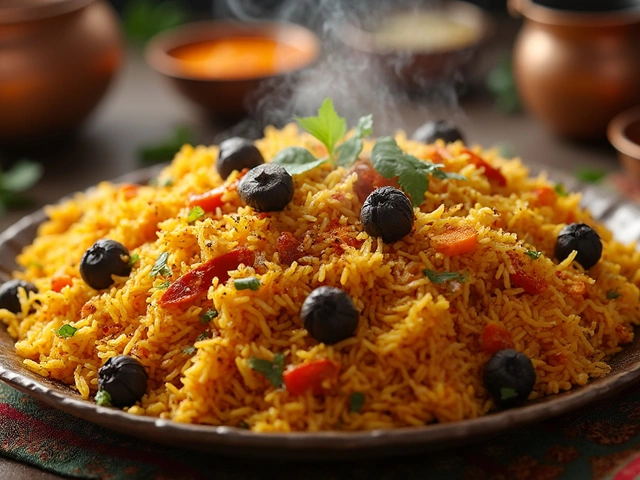
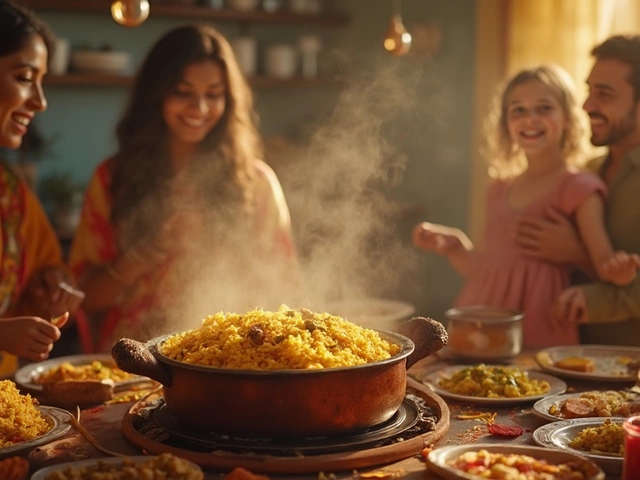
Indian meals are full of flavor, yes—but also full of risk if handled carelessly. The same dal that nourishes a family for days can make them sick if left in a warm kitchen overnight. The same biryani that’s the pride of a celebration can turn dangerous if the rice sat unrefrigerated for hours. Food safety in India isn’t about fear. It’s about awareness. It’s about knowing that freshness isn’t optional—it’s the foundation.
Below, you’ll find real, practical guides on what to avoid, how to store paneer and dal safely, why some spices are safer than others, and how to eat street food without getting sick. No guesswork. No myths. Just what works—based on what people actually experience in homes and markets across India.
What Not to Eat in India: Essential Food Safety Tips for Travelers
Planning a trip to India? Here’s what you should avoid eating if you want to steer clear of food poisoning, stomach bugs, and unpleasant surprises.
Read More