Food Hygiene India: Safe Cooking, Storage, and Everyday Practices
When it comes to food hygiene in India, the daily practices that keep meals safe from contamination, spoilage, and illness. Also known as kitchen safety, it’s not just about washing hands—it’s about how you store paneer, handle spices like hing, and treat everyday staples like dal and eggs. In Indian homes, food isn’t just cooked—it’s cared for. And that care starts with understanding what spoils fast, what doesn’t, and why.
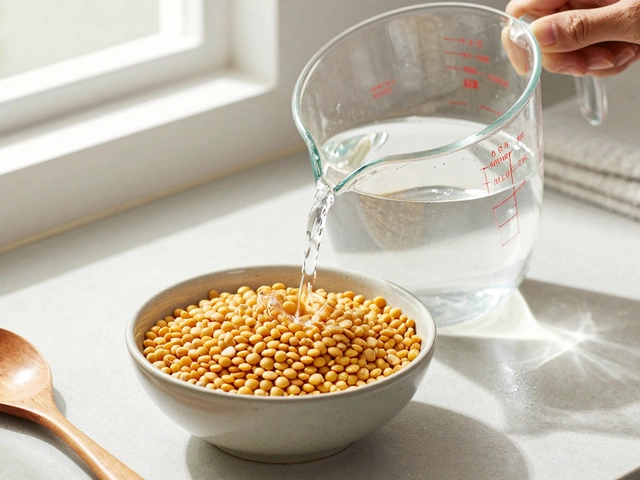
Paneer, a fresh cheese common in Indian curries and snacks. Also known as Indian cottage cheese, it’s one of the most perishable items in the kitchen. If you’ve ever wondered if 7-day-old paneer is still safe, the answer is no—even if it looks fine. Bacteria grow invisibly, and cooking won’t kill all the toxins. The same goes for coconut milk in curry: adding it wrong can cause curdling, but proper heat control keeps your sauce smooth and safe. Then there’s dal, the everyday lentil stew that feeds millions. Also known as Indian lentils, it’s nutritious, but if stored in a damp container or left out overnight, it becomes a breeding ground for microbes. Even something as simple as soaking basmati rice for biryani needs clean water and a clean bowl—contaminated soaking water ruins the whole dish.
Food hygiene in India isn’t about perfection—it’s about awareness. It’s knowing that jaggery and khoya used in sweets aren’t just sweeteners—they’re moisture magnets that attract mold if not sealed right. It’s realizing that eating eggs isn’t a religious issue, but storing them near raw chicken is a health risk. It’s understanding that dosa batter ferments safely only if your utensils are clean, and that hing, though smelly, actually helps digestion when used fresh. These aren’t fancy rules—they’re the quiet habits passed down in kitchens across Maharashtra, Tamil Nadu, and Punjab.
You’ll find real advice here—not theory, not textbook definitions. Just what works: how to tell if your paneer has gone bad, why you shouldn’t reuse oil for frying after 3 uses, how to store spices so they don’t go rancid, and which dals are safest to keep in the fridge. These aren’t just recipes—they’re life-saving habits. And if you cook Indian food at home, you need to know them.
Foods to Avoid in India: Essential Safety Guide for Travelers
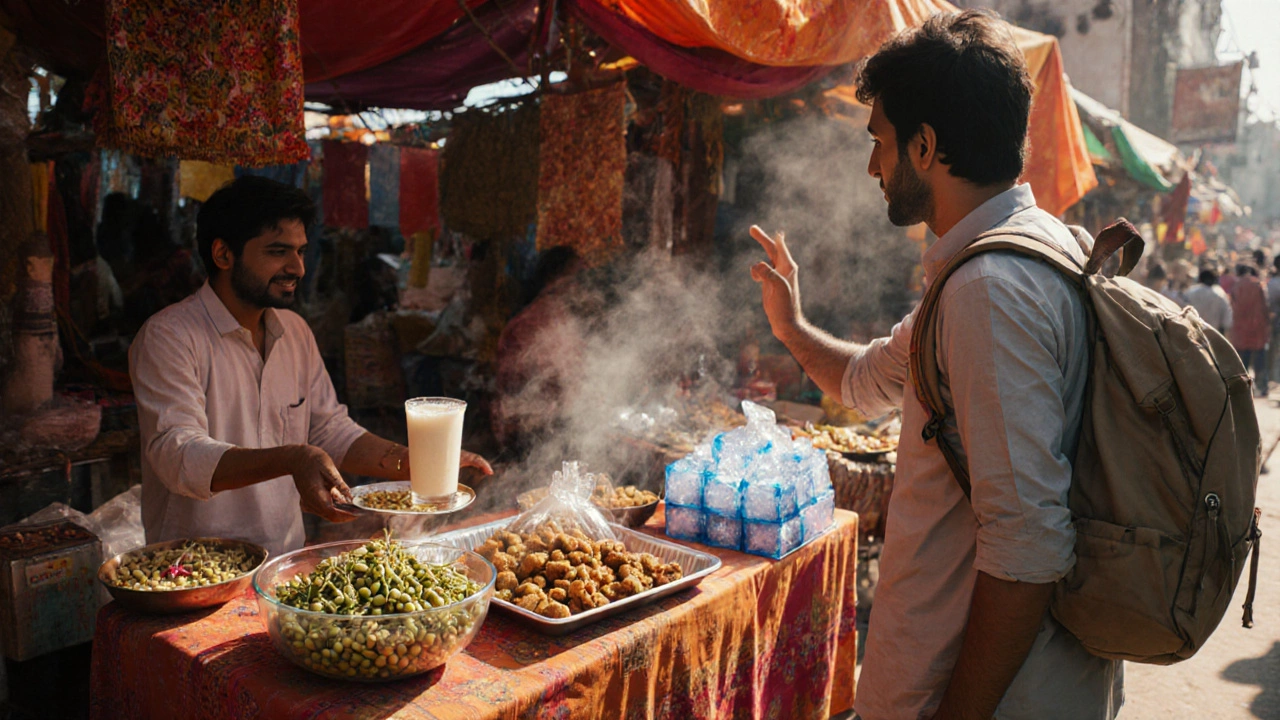
Learn which Indian foods pose health risks for travelers, how to spot safe street stalls, and practical tips to enjoy delicious meals without getting sick.
Read More