Fermentation in Indian Cooking: How Ancient Techniques Boost Flavor and Health
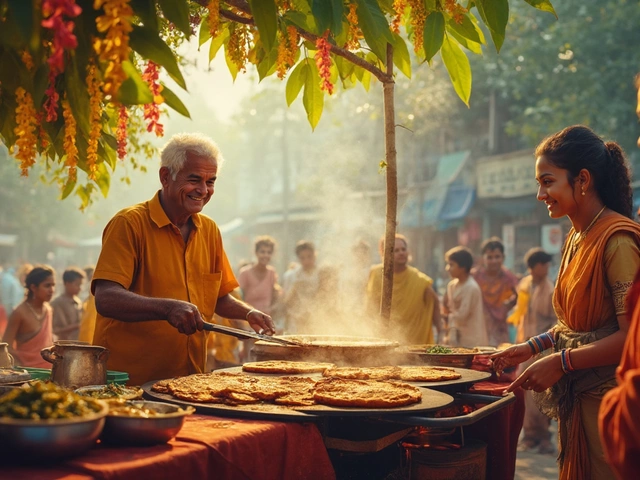
When you eat a fluffy dosa, a thin, fermented crepe made from rice and lentils. Also known as fermented rice batter, it’s one of India’s most common breakfasts because it’s light, digestible, and packed with good bacteria. Fermentation isn’t just a cooking step—it’s a tradition that’s been used for centuries to preserve food, unlock nutrients, and make meals taste better. In India, this process turns simple ingredients like rice, urad dal, and milk into powerful, gut-friendly foods that keep you full longer and help your body absorb more from what you eat.
Fermentation isn’t limited to dosa. idli, steamed rice-and-lentil cakes. Also known as fermented steamed buns, they’re eaten daily across South India because they’re gentle on the stomach and full of protein. Then there’s curd, natural yogurt made by letting milk sit with a starter culture. Also known as dahi, it’s used in everything from raita to lassi, and helps balance spicy meals while supporting digestion. Even some pickles, like mango or lime, rely on fermentation to develop their tangy bite without vinegar. These aren’t fancy restaurant dishes—they’re everyday foods made in kitchens from Kerala to Punjab, passed down through generations because they just work.
What makes fermentation so special? It breaks down complex carbs and proteins, making them easier to digest. It also creates probiotics—live bacteria that help your gut stay healthy. Unlike store-bought yogurt with added sugars or preservatives, traditional Indian fermented foods are clean, simple, and full of natural goodness. You don’t need special equipment. Just a warm spot, time, and patience. That’s it.
And it’s not just about health. Fermentation adds depth. That slight sourness in dosa? That’s not a flaw—it’s the flavor of time. The earthy tang in fermented rice batter? That’s what makes it stick to your memory. These foods don’t need fancy spices to shine. The process itself does the work.
Below, you’ll find real posts from home cooks and food lovers who’ve explored how fermentation shapes Indian meals—from why idli batter rises overnight, to how to fix a batch that didn’t ferment right, to which dals work best for healthy fermented snacks. These aren’t theory lessons. They’re practical, tested tips from people who make these foods every day. Whether you’re trying to eat cleaner, digest better, or just understand why your grandma’s dosa always tasted better, you’ll find answers here.
Why Add Soda to Dosa Batter? The Science Behind Fluffier Dosas
Wondering why some dosa batters call for soda? This article breaks down how adding soda changes the texture, look, and taste of dosas. You'll get practical tips, common mistakes to avoid, and ideas for better results in your kitchen. Even if you're new to dosa-making, you'll learn exactly when (and when not) to reach for the soda. It's all about taking the guesswork out of crispy, golden dosas at home.
Read More
Baking Soda in Dosa Batter: The Simple Science Behind Softer, Fluffier Dosas
Ever wondered why some dosa batters turn out super soft and others fall flat? This article unpacks how baking soda works a little magic in dosa batter, making the texture lighter and the dosas crispier. From the science to everyday kitchen tips, you'll find practical answers on getting the perfect dosa. Get ready to learn what makes your favorite South Indian breakfast so addictive. No need for complicated tricks—just a pinch of baking soda is enough to change the game.
Read More
Why Fenugreek is Added to Dosa Batter
Fenugreek plays a crucial role in dosa batter by enhancing fermentation and offering nutritional benefits. It adds a unique flavor and helps the batter rise, resulting in crispy, fluffy dosas. This article explores the science behind fenugreek's effects and offers practical tips for its use in dosa preparation.
Read More