Eggs and Hinduism: Diet, Beliefs, and What Really Matters
When it comes to eggs and Hinduism, the relationship isn’t about religious law but cultural practice shaped by ideas of purity, non-violence, and food as spiritual energy. Also known as Hindu vegetarianism, this approach to eating goes beyond just avoiding meat—it’s about minimizing harm and staying aligned with dharma, or righteous living. You won’t find a single verse in the Vedas that says "thou shalt not eat eggs." But if you walk into a Hindu home in Gujarat, Uttar Pradesh, or Tamil Nadu, you’ll likely see eggs absent from the kitchen. Why? Because for many, eggs are treated like meat—not because they’re animal flesh, but because they’re seen as potential life. This isn’t dogma. It’s habit, passed down through generations, tied to how people understand compassion and cleanliness.
Hindu diet, isn’t one-size-fits-all. It varies by region, caste, family, and personal belief. Also known as vegetarian Hindu, this label covers everything from strict lacto-vegetarians who avoid even root vegetables during certain festivals, to those who eat fish but skip eggs, to others who eat meat on special occasions. Eggs in Hinduism are often grouped with meat because they’re animal-derived and linked to reproduction. This makes them uncomfortable for people following sattvic principles—where food should be light, pure, and calming. A boiled egg doesn’t fit that mold. It’s seen as tamasic—heavy, dulling, and tied to passion and desire. That’s why many ashrams, temples, and traditional households ban them. But here’s the twist: in coastal regions like Kerala or West Bengal, where fish is common, eggs are sometimes accepted. And in urban India, younger generations are rethinking this. Some eat eggs for protein, especially if they’re active or training. Others skip them out of respect for family, even if they don’t fully believe in the rule.
So is eating eggs a sin? No. But it’s a boundary. And boundaries matter in culture. They’re not just rules—they’re identity. When you see a Hindu friend refuse an omelet at breakfast, it’s not about judgment. It’s about what they were taught, what their grandparents ate, and how they connect food to spirit. The posts below explore this exact tension: why some avoid eggs, how it shapes Indian cooking, and what alternatives people use to stay nourished. You’ll find real stories, not religious debates. Just clear, practical insights into how food and faith live together in everyday India.
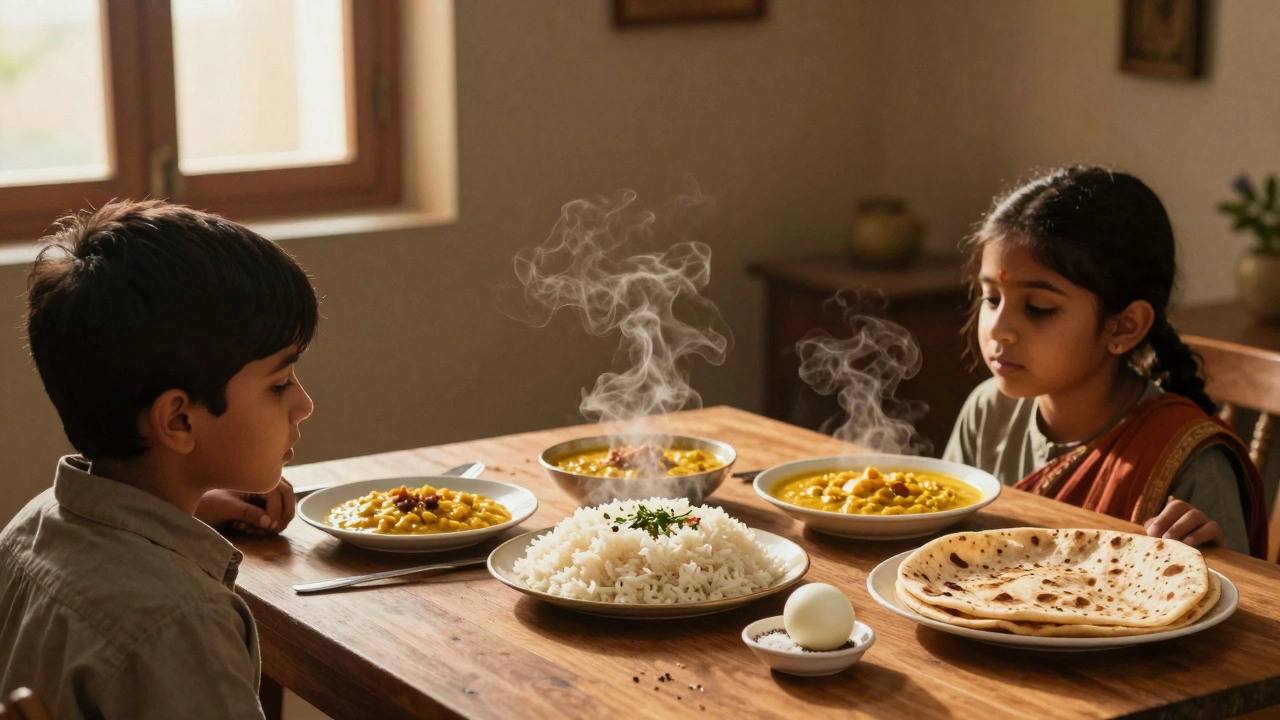
Are Eggs OK to Eat in India? A Clear Guide for Vegetarians and Non-Vegetarians
Eggs in India are culturally considered non-vegetarian, but nutritionally and scientifically, they’re a healthy, affordable protein source. This guide breaks down religious views, regional practices, and why many Indians eat eggs despite being labeled vegetarian.
Read More