Curry Tips: Simple Secrets to Better Indian Curry Every Time
When you think of curry, a spiced, saucy dish made with meat, vegetables, or legumes, often centered around a blend of toasted spices and slow-cooked aromatics. Also known as curried dish, it's not just one recipe—it's a whole way of cooking that changes by region, family, and even the day of the week. Most people think curry is just about throwing spices into a pot. But the real magic? It’s in the timing, the heat control, and knowing when to add what. A pinch of cumin too early turns bitter. Coconut milk added at the wrong moment splits into oily chunks. And if you skip blooming your spices in oil, your curry will taste flat—even if you used every spice in the cabinet.
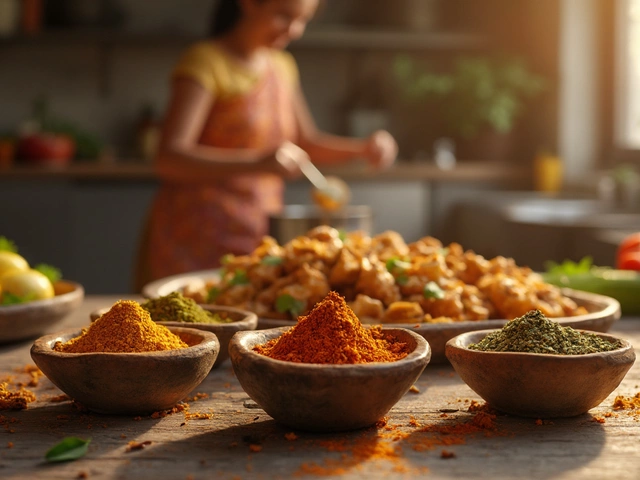
That’s why chicken curry, a popular Indian dish made with tender chicken, tomatoes, onions, and layered spices tastes so different at home versus at a restaurant. It’s not the chicken. It’s the technique. The best cooks don’t just follow recipes—they watch the oil, listen to the sizzle, and smell the change. When the spices stop looking dry and start looking glossy? That’s when you know they’re ready. And when the onions turn golden and the tomatoes break down into a thick paste? That’s your flavor base locked in. Then comes the coconut milk curry, a creamy, rich variation using coconut milk instead of dairy, common in South Indian and coastal cooking. Add it too fast, and it curdles. Add it too late, and it won’t blend. The trick? Warm it first, stir slowly, and never let it boil after it’s in. Same goes for curry spices, a dynamic mix of ground seeds, roots, and pods like coriander, cumin, turmeric, and asafoetida. Freshness matters. Old turmeric loses its punch. Stale cumin tastes dusty. Keep them in sealed jars away from light, and toast them lightly before grinding. You’ll taste the difference.
What makes a curry unforgettable isn’t the number of spices—it’s the rhythm. The slow fry. The pause after adding ginger-garlic paste. The splash of water to deglaze the pan. The final stir of garam masala just before turning off the heat. These aren’t steps. They’re rituals. And they’re the reason your curry can go from good to something you’ll crave again tomorrow. Below, you’ll find real, tested tips from home cooks who’ve cracked the code—no fancy tools, no hard-to-find ingredients. Just better timing, better heat, and better understanding of how flavor builds. Whether you’re making chicken curry, lentil curry, or a coconut milk version, these posts give you the exact tricks that work—every single time.
What’s the Secret to a Good Curry? Proven Tips for Deep, Balanced Flavor
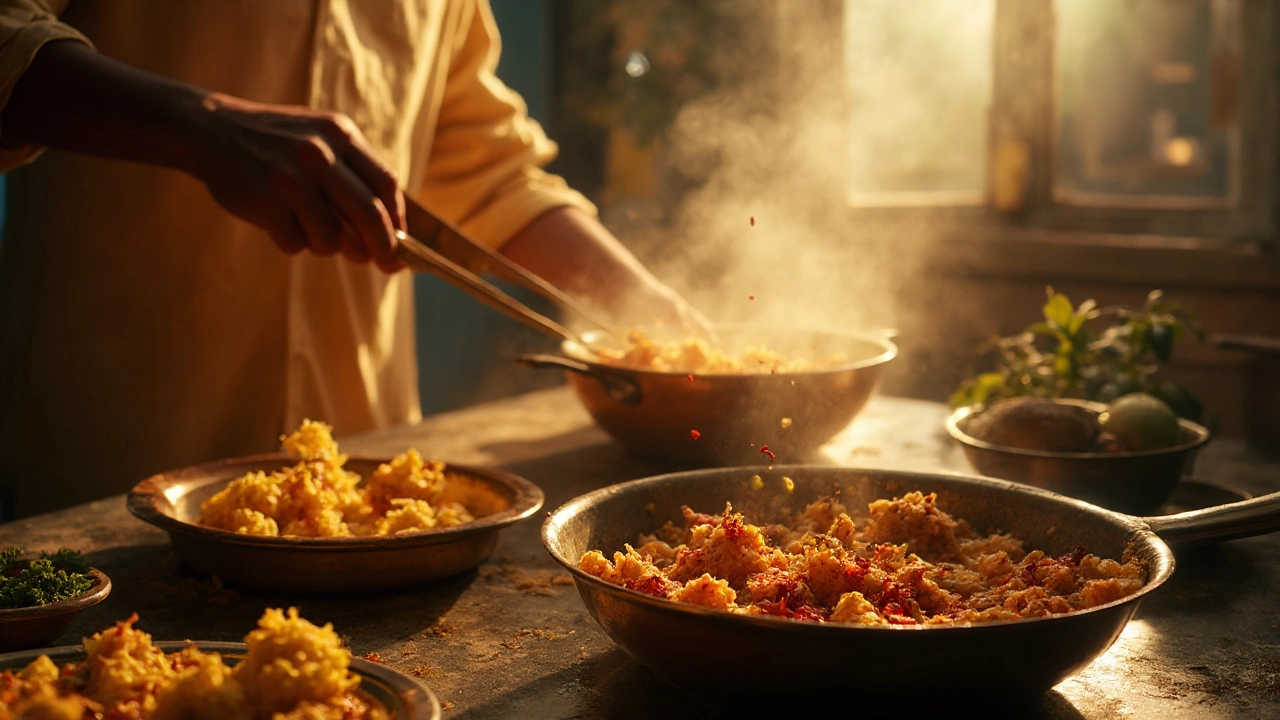
The real secret to a great curry? Technique and balance. Learn to bloom spices, brown onions, bhunao the paste, and finish with acid for big, restaurant-level flavor.
Read More