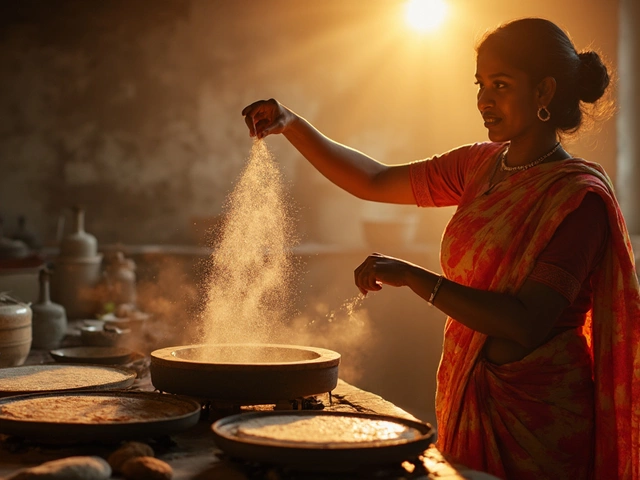
Curry Texture: How to Get the Perfect Consistency in Indian Curries
When you think of curry texture, the thick, rich, clinging sauce that coats every bite of chicken, lentils, or vegetables in Indian cooking. Also known as curry consistency, it’s what turns a simple mix of spices and protein into something deeply satisfying. It’s not just about flavor—it’s about how the sauce feels on your spoon, how it hugs the rice, and whether it stays put when you scoop it up. Too thin, and it’s just spiced water. Too thick, and it’s paste. The right texture? That’s the magic.
Getting curry texture right isn’t luck—it’s technique. It starts with how you cook your onions and tomatoes. Slowly sautéing them until they break down into a jammy base gives body before you even add liquid. Then there’s the role of coconut milk, a creamy, fat-rich liquid that adds silkiness without dairy. Also known as coconut cream, it’s a game-changer in South Indian and Thai-inspired curries—but add it wrong, and it splits into oily water. Heat control and stirring are everything. Then there’s ground spices, the powdered heart of Indian curries that thickens as they toast and bloom in oil. Also known as masala, they don’t just add flavor—they absorb moisture and create a paste-like foundation that holds the sauce together. And let’s not forget lentils, like dal, which naturally break down into a creamy purée that thickens stews. Also known as Indian lentils, they’re the secret behind many vegetarian curries that need no flour or cream. Even paneer, when added late, doesn’t break the sauce—it holds its shape and adds a soft, custardy contrast.
Most home cooks think curry texture comes from adding flour or cornstarch. But traditional Indian kitchens don’t reach for those. They use time, heat, and ingredient science. Simmering uncovered lets water evaporate. Crushing garlic and ginger into a paste instead of chopping them releases more oils that bind the sauce. Even a splash of yogurt or tomato paste can deepen the body without changing the flavor. The best curries aren’t made with thickening agents—they’re made with patience.
What you’ll find below are real, tested ways to fix watery chicken curry, stop coconut milk from separating, make dal taste richer without cream, and turn bland sauces into ones that cling to your spoon. No guesswork. No fancy tools. Just the methods that work in kitchens from Mumbai to Manchester.
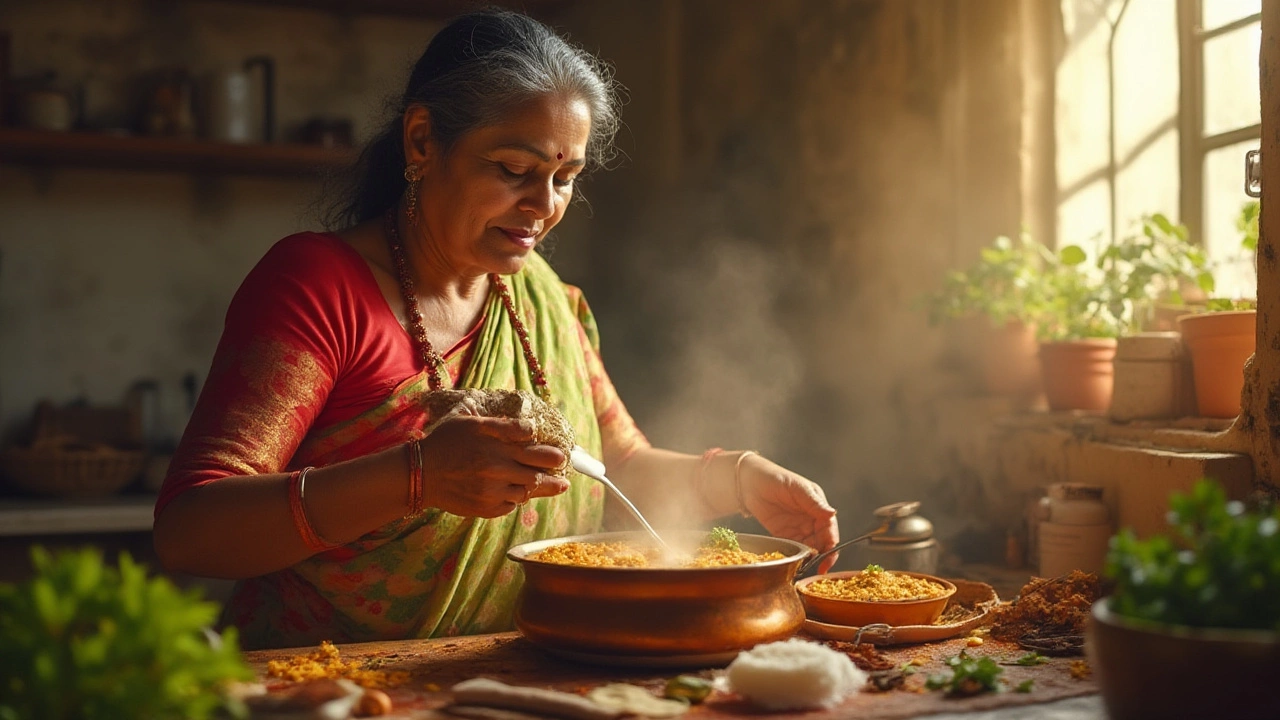
Does Coconut Milk Thicken Curry? How Coconut Milk Transforms Your Curry's Texture
Curious if coconut milk really thickens a curry? Dive into the science, traditional uses, and tricks for making the creamiest curry at home. No fluff, just clear answers.
Read More