Curry Ingredients: What Makes Indian Curry Taste Like Home
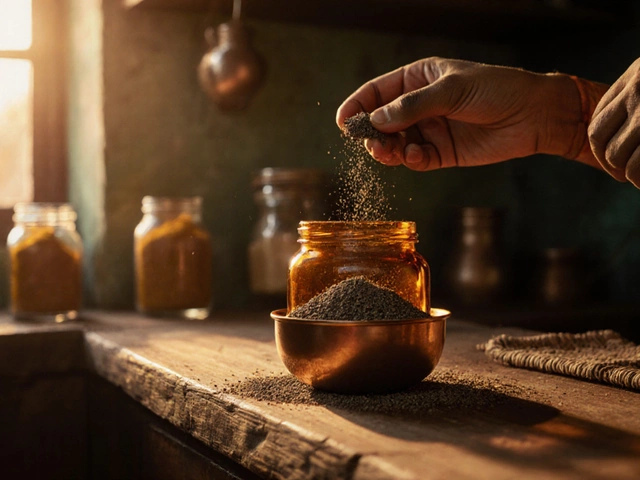
When you think of curry ingredients, the blend of spices, herbs, and aromatics that form the foundation of Indian curries. Also known as curry base, it’s not one single thing—it’s a living recipe passed down through generations, changing slightly with every kitchen. A real Indian curry doesn’t start with a packet of powder. It starts with toasted cumin seeds sizzling in hot oil, the smell of garlic and ginger hitting the pan, and the slow bloom of turmeric and coriander. These aren’t just flavors—they’re the heartbeat of the dish.
What most people don’t realize is that curry spices, the core seasonings used in Indian cooking, including whole and ground forms like mustard seeds, fenugreek, and asafoetida. Also known as Indian spice blend, they’re chosen not just for taste but for how they interact with heat and time work together like instruments in an orchestra. One spice might be sharp, another earthy, and another just there to balance. Asafoetida (hing), for example, smells strong raw but melts into the dish like a hidden layer of umami. And turmeric? It’s not just for color—it’s the anchor that ties everything together. Then there’s the base: onions, tomatoes, and sometimes coconut milk or yogurt. These aren’t add-ons—they’re the structure. Without them, the spices float aimlessly. The magic happens when you let the onions caramelize slowly, the tomatoes break down, and the spices toast just enough to release their oils.
It’s not about following a rigid list. A curry from Punjab uses more cream and butter; one from Kerala leans on coconut and tamarind. But the core? Always the same: heat, time, and patience. You can’t rush the bloom of spices. You can’t skip the onion fry. And you definitely can’t replace fresh ginger with powder and expect the same depth. That’s why you’ll find posts here that break down exactly how to build flavor step by step—like how to add coconut milk without curdling, or why chicken curry tastes better when you toast your spices before adding liquid. These aren’t tricks. They’re truths learned in kitchens across India.
What you’ll find below isn’t a list of recipes. It’s a guide to understanding what makes each curry work. From the simplest dal to the richest chicken curry, the ingredients are the same—but how you use them changes everything. Whether you’re trying to fix a bland curry or just want to know why your grandma’s version always tasted better, the answers are here. No fluff. No fancy terms. Just the real stuff that turns a pot of food into something unforgettable.

What is the Key Ingredient in Chicken Curry?
Chicken curry is a beloved dish worldwide, full of bold flavors and aromatic spices. But what truly sets a curry apart is its key ingredient, which can vary by region and personal preference. Understanding this crucial component can elevate your cooking and transform an ordinary curry into something extraordinary. In this piece, we'll dive into the heart of chicken curry by exploring its critical ingredients, offering tips on how to choose and use them for the best results.
Read More