Curry Cooking Tips: Master Flavor, Spice, and Technique
When you think of curry, a spiced, saucy dish rooted in Indian home kitchens. Also known as curried dishes, it’s not a single recipe—it’s a whole way of building flavor with layers of spices, slow cooking, and smart timing. Most people think curry is just powder mixed with water, but real curry starts with toasting whole spices, frying aromatics at the right heat, and letting the oil release the essence of each ingredient. It’s not about adding more spice—it’s about knowing when to add it.
The secret behind a great chicken curry, a popular Indian dish where tender meat simmers in a spiced gravy isn’t the chicken—it’s the oil. When you heat oil until it shimmers and then toss in cumin, mustard seeds, or asafoetida (hing), you’re not just frying spices—you’re unlocking their soul. That’s why many recipes say to wait until the spices sizzle and smell deep before adding onions. Do it too early, and you’ll burn the flavor. Too late, and it stays raw. The same goes for coconut milk curry, a creamy variation that can easily split if not handled right. You don’t just pour it in. You stir it in slowly after the base is hot, keep the heat low, and never let it boil. Curdling isn’t a mistake—it’s a sign you rushed the process.
And then there’s the curry spices, the heart of every Indian curry, from garam masala to turmeric and coriander. Most people buy pre-mixed powders and call it done. But the real difference comes from toasting your own whole spices in a dry pan, grinding them fresh, and adding them in stages. Add turmeric early for color, ground coriander in the middle for body, and garam masala at the very end for that final punch. It’s not magic—it’s rhythm.
You’ll find in the posts below that the best curry tips aren’t from fancy chefs. They’re from home cooks who’ve made the same dish for decades. They know how long to let the onions caramelize before adding tomatoes. They know why yogurt needs to be at room temperature before stirring in. They know that a pinch of sugar doesn’t make curry sweet—it makes it balanced. These aren’t tricks. They’re habits. And they’re the reason your curry tastes like something you can’t quite name… but you know it’s right.
What follows isn’t just a list of recipes. It’s a collection of real, tested ways to fix common curry mistakes, unlock deeper flavor, and cook with confidence—even if you’ve never made it before. Whether you’re dealing with bland chicken curry, split coconut milk, or spices that taste flat, you’ll find the fix here. No theory. No fluff. Just what works.
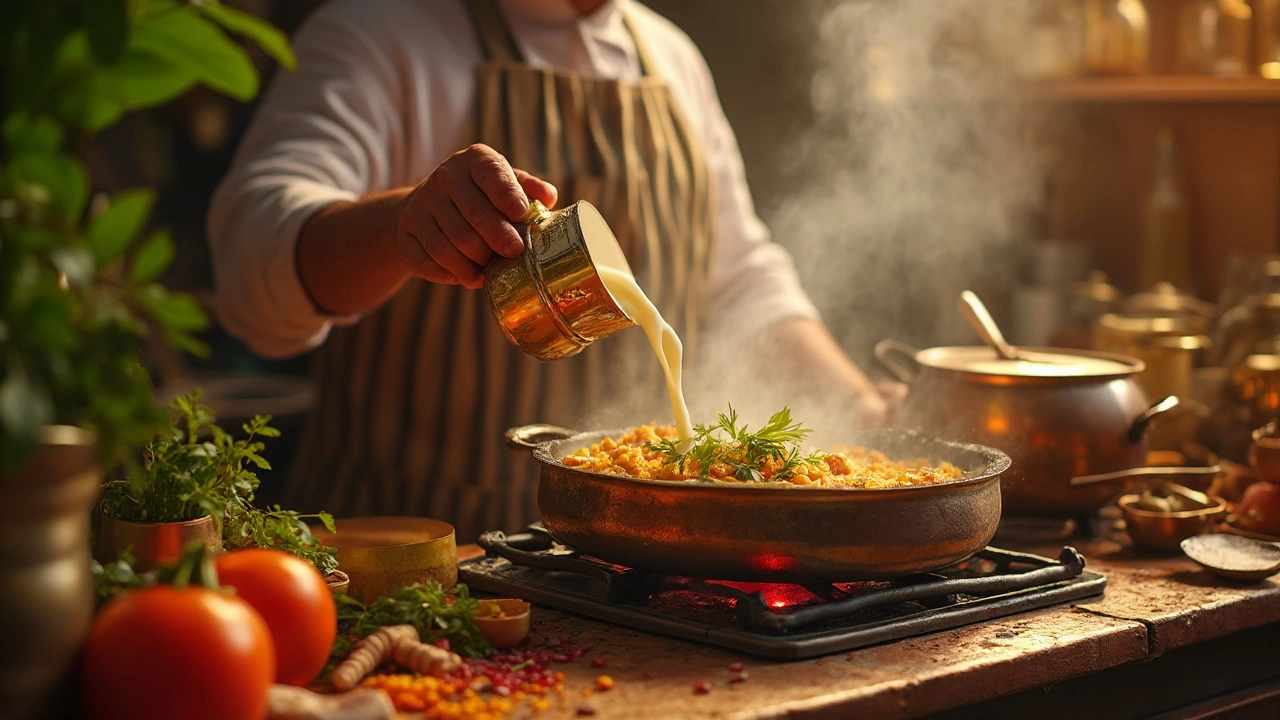
Best Liquids for Perfect Curry: Broth, Coconut Milk, and More
Find out which liquids to add to curry for perfect flavor and texture. Learn about coconut milk, broths, and secret tips to make your curry irresistible.
Read More