Condiment Difference: What Sets Indian Spices and Sauces Apart
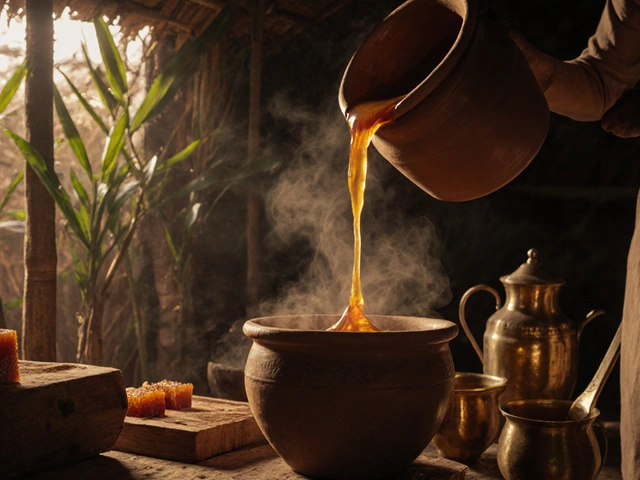
When we talk about condiment difference, the way Indian cooking uses spices and seasonings to transform simple ingredients into bold, layered flavors. Also known as Indian seasonings, these aren’t just add-ons—they’re the backbone of taste in dishes from dosa to dal. Unlike Western condiments like ketchup or mustard, Indian condiments often serve multiple roles: they enhance flavor, aid digestion, preserve food, and even carry cultural meaning. Take asafoetida, a pungent resin used in small amounts to deepen savory dishes and reduce gas. Also known as hing, it’s a secret weapon in lentil curries and pickles that most kitchens outside India never touch. Then there’s jaggery, an unrefined cane sugar that adds earthy sweetness to sweets, chutneys, and even savory curries. Also known as gur, it’s not just sugar—it’s a flavor anchor that balances heat, sourness, and salt in ways white sugar never can. These aren’t interchangeable. You can’t swap hing for garlic powder or jaggery for brown sugar and expect the same result. Each has a unique chemical profile, aroma, and cultural history tied to regional cooking styles.
Even something as simple as paneer, a fresh cheese made by curdling milk with lemon or vinegar. Also known as Indian cottage cheese, it’s often mistaken for a main ingredient, but it’s also a condiment carrier—soaking up spices in gravies, adding texture to chutneys, or even being fried and served as a snack with tamarind sauce. Its role changes depending on how it’s used: in North Indian curries, it’s rich and creamy; in South Indian stir-fries, it’s crisp and spiced. This flexibility is part of why Indian condiments don’t fit neatly into Western categories. They’re not just flavor boosters—they’re texture modifiers, digestive aids, and cultural symbols rolled into one.
What you’ll find in the posts below are real, practical examples of these differences in action. You’ll learn why rice is non-negotiable in dosa batter, how hing transforms chicken curry, why jaggery beats sugar in traditional sweets, and why 7-day-old paneer is a health risk. These aren’t random recipes—they’re lessons in how Indian cooking thinks about flavor, function, and food safety. By the end, you won’t just know what a condiment is—you’ll understand why Indian ones work the way they do, and how to use them right.
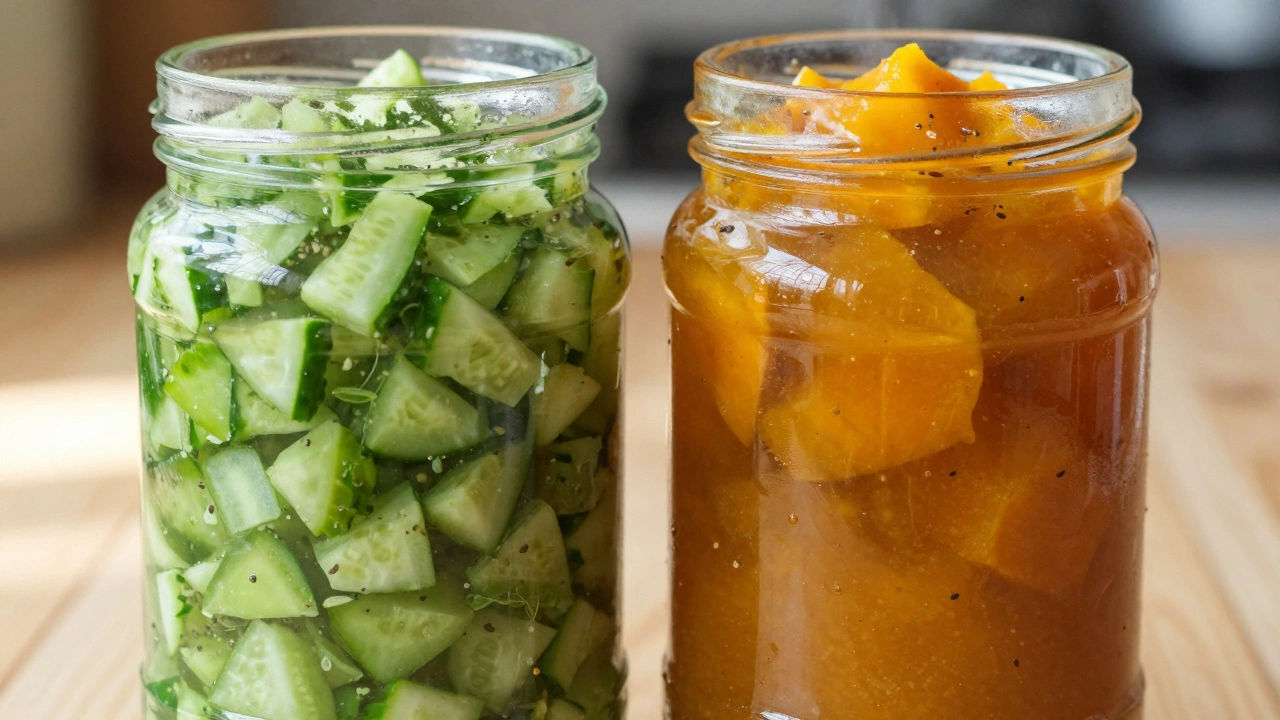
Is Pickle Relish a Chutney? The Real Difference Between Two Condiments
Pickle relish and chutney look similar but are worlds apart. One is a preserved condiment; the other is a living blend of spices, herbs, and fruit. Learn the real difference and why they shouldn’t be swapped.
Read More