Classic Indian Sweets: Traditional Desserts, Ingredients, and Recipes
When you think of classic Indian sweets, rich, milk-based desserts made with slow-cooked milk solids, jaggery, and cardamom, often served during festivals and family gatherings. Also known as mithai, these treats are more than just sugar—they’re a cultural ritual passed down through generations. Unlike Western desserts that rely on butter and cream, Indian sweets build flavor through patience: milk simmered for hours into khoya, reduced milk solids that form the base of peda, burfi, and gulab jamun, or jaggery, unrefined cane sugar that adds deep caramel notes and minerals. These aren’t fancy ingredients—they’re simple, ancient, and still used the same way they were 500 years ago in Mathura, where peda, the oldest known Indian sweet, made from just milk and sugar, was first created.
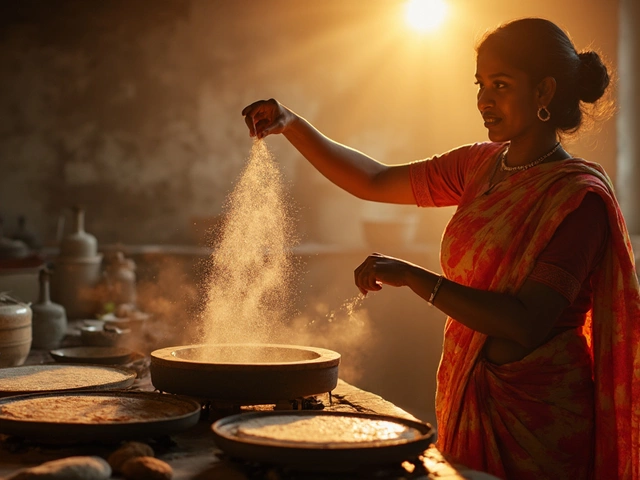
What makes these sweets different isn’t just their taste—it’s how they’re made. No baking ovens, no electric mixers. Just a heavy pan, low heat, and hours of stirring. The sweetness comes from jaggery or khoya, not white sugar. That’s why a ragi laddu made with finger millet and jaggery can be both a dessert and a health snack. Even today, families in villages still make khoya from scratch by boiling whole milk until it thickens into a dough-like paste. It’s labor-intensive, but the flavor? Unmatched. And it’s not just about taste—it’s about tradition. These sweets are offered in temples, given as gifts during Diwali, and served at weddings. They’re not eaten just because they’re sweet—they’re eaten because they carry meaning.
There’s a reason you’ll find recipes for peda, gulab jamun, and jalebi side by side in old cookbooks—they’re the pillars of Indian sweet-making. Each one uses the same core ingredients but transforms them in different ways: frying, shaping, soaking in syrup, or pressing into molds. And while modern versions might use powdered milk or artificial flavors, the real ones? They still smell like slow-cooked milk and cardamom pods crushed by hand. If you’ve ever wondered why Indian sweets feel different from other desserts, it’s because they’re not just food—they’re time capsules. Below, you’ll find real recipes, honest tips on sweeteners, and the stories behind the sweets your grandmother made—and still makes today.
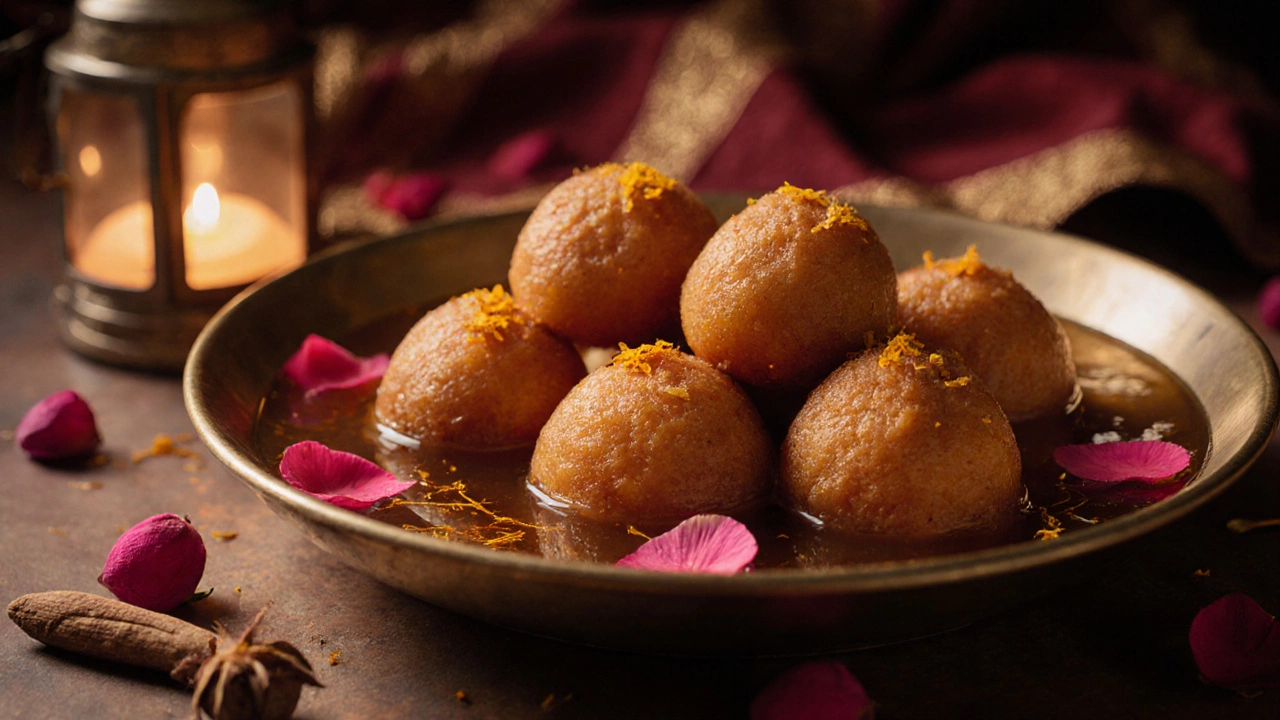
Discover India's Iconic Traditional Sweet: Gulab Jamun Explained
Explore the history, recipe, and regional twists of India's iconic traditional sweet, Gulab Jamun, and compare it with other classic Indian mithai.
Read More