Biryani Spice Blend: The Secret Mix Behind Perfect Indian Biryani
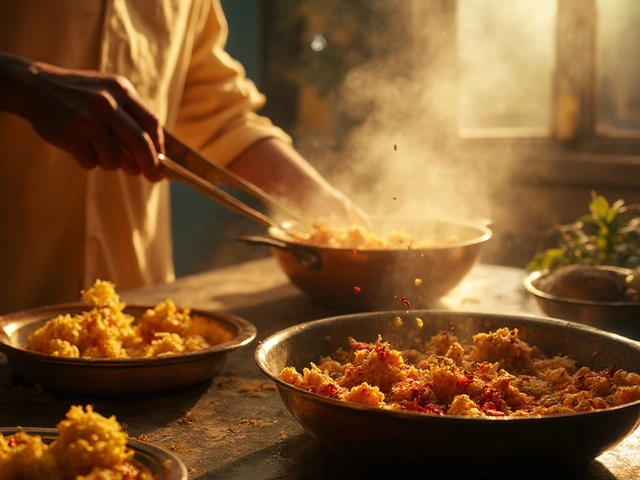
At the heart of every great biryani spice blend, a carefully balanced mix of whole and ground spices used to flavor layered rice dishes in Indian cooking. Also known as biryani masala, it’s not just a seasoning—it’s the soul of the dish. Without it, biryani is just rice and meat. With it, you get that unmistakable aroma that fills a kitchen, makes mouths water, and turns a simple meal into something unforgettable.
This blend isn’t one-size-fits-all. In Hyderabad, it leans heavy on saffron and rose water. In Lucknow, it’s all about subtle warmth from cardamom and cloves. In Kolkata, a touch of potato and boiled egg changes everything. But no matter the region, the core stays the same: cumin, coriander, cinnamon, cardamom, cloves, bay leaves, and black pepper. These aren’t random additions—they work together. Cumin grounds the mix, coriander brings brightness, cinnamon adds sweetness, cardamom gives floral lift, cloves deepen the richness, and black pepper adds just enough heat to keep you coming back for more. It’s chemistry you can taste.
What makes this blend different from regular garam masala? Timing. Biryani spice blend is often used in two stages: some spices are fried in oil at the start to release their oils, others are layered in raw with the rice to bloom slowly during steaming. This dual approach creates layers of flavor you can’t get with one-shot seasoning. And while store-bought packets exist, most home cooks in India still toast and grind their own. Why? Because fresh is non-negotiable. Pre-ground spices lose their punch in weeks. Whole spices, crushed just before use, smell like earth and sunshine.
You’ll also find star anise, mace, nutmeg, and fennel in some versions—these are the quiet players. They don’t shout, but if you miss them, you’ll notice something’s off. Then there’s the color. Turmeric gives that golden base, but real biryani gets its deep hue from saffron soaked in warm milk. That’s not just for show—it adds a honeyed, almost medicinal depth that nothing else can replicate.
And don’t forget the supporting cast. Fried onions, yogurt-marinated meat, mint, and cilantro aren’t just garnishes—they’re part of the flavor architecture. The spice blend works with them, not against them. It’s not about overpowering. It’s about harmony.
In the posts below, you’ll find real, tested ways to build your own biryani spice blend from scratch. We cover exact ratios used by home cooks in Uttar Pradesh, how to adjust for chicken vs. mutton, how to store it so it stays potent for months, and even how to fix a bland biryani after it’s already cooked. You’ll also see how this blend connects to other Indian spice traditions—like the ones used in chicken curry or dal—so you start seeing the bigger picture of Indian cooking. No fluff. No guesswork. Just what works.
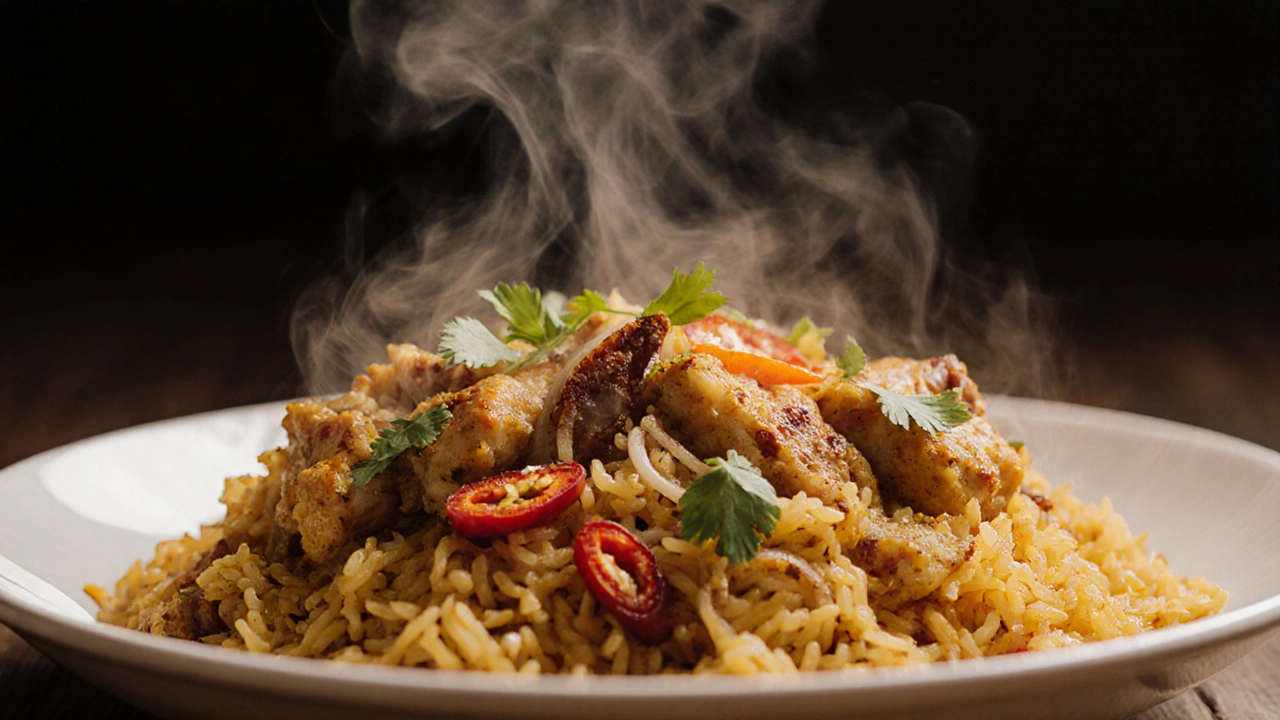
Why Is Biryani So Spicy? Uncover the Heat Behind the Dish
Explore why biryani feels so spicy, from the key spices and cooking methods to regional variations and tips for controlling heat.
Read More