Bible Vegetarianism: What It Really Means and How Indian Food Fits In
When people talk about Bible vegetarianism, a dietary choice based on interpretations of biblical teachings that favor plant-based eating. Also known as Christian vegetarianism, it’s not about strict rules—it’s about conscience, stewardship, and sometimes, a desire to live more simply. Unlike modern veganism, which often centers on animal rights or climate impact, Bible vegetarianism grows from older ideas: that humans were meant to eat plants (Genesis 1:29), that life is sacred, and that overconsumption goes against spiritual discipline.
This mindset overlaps in surprising ways with Hindu vegetarianism, a widespread practice in India rooted in ahimsa, or non-violence, toward all living beings. Many Hindus avoid meat and eggs not because of a religious commandment, but because they believe eating animals creates negative karma. It’s not about the Bible—it’s about inner purity. And yet, both traditions lead to the same table: lentils, vegetables, dairy, and grains. You’ll find dal in Indian homes just like you’ll find beans and greens in some Christian households that follow a biblical diet. Both see food as more than fuel—it’s a reflection of values.
What’s interesting is how these beliefs shape real eating habits. In India, you don’t need to be religious to eat vegetarian—many do it for health, cost, or culture. In the U.S., some Christians choose plant-based meals for Lent or to honor creation. Neither group needs fancy supplements or expensive superfoods. They rely on simple, local ingredients: paneer, a fresh cheese made from milk, often used in Indian vegetarian dishes. Also known as Indian cottage cheese, it’s a protein-rich alternative to meat, just like tofu or lentils in other traditions. Whether you’re following scripture, tradition, or personal ethics, the core idea is the same: eat with awareness. That’s why posts here cover everything from the healthiest dal, the most nutritious lentil variety for protein and fiber. Also known as nutritious lentils, it’s a staple in both Indian homes and plant-based diets worldwide. to why eggs, a common food item often avoided in vegetarian diets due to religious or ethical beliefs. Also known as animal products in vegetarian diets, are treated like meat in Hindu households, even though they’re not technically flesh. These aren’t random recipes—they’re answers to real questions people ask when they’re trying to eat in line with their beliefs.
You won’t find dogma here. Just practical food choices—how to make paneer safely, which dals give you the most nutrition, why some sweets use jaggery instead of sugar, and how simple meals like dosa or poha can be part of a thoughtful diet. Whether you’re exploring Bible vegetarianism for spiritual reasons, or you’re drawn to Indian vegetarian food for its flavor and balance, you’ll find real, everyday guidance in the posts below. No fluff. No preaching. Just food that fits a life lived with intention.
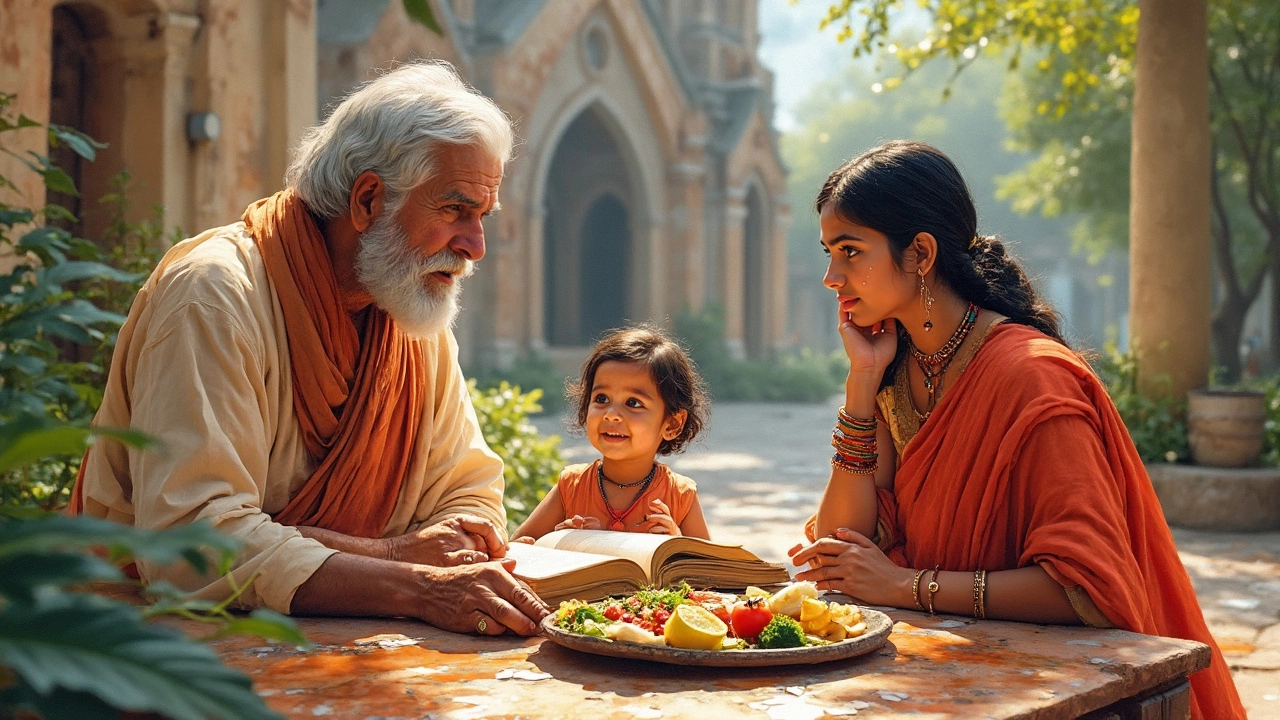
Bible Verses About Vegetarianism: What Scripture Actually Says
Is being vegetarian supported by the Bible? This detailed article digs into what scripture says—or doesn't say—about vegetarianism. You'll discover key Bible passages, uncover surprising facts about ancient diets, and learn what this all means for Christians today. Explore both the history and the modern debate, and walk away with clear, balanced insights you can use.
Read More