Build Your Healthy Tom Yum Bowl
Step 1: Choose Broth Type
Step 2: Main Protein
Step 3: Adjust Sodium (Fish Sauce)
Nutritional Summary
Standard EstimateTotal Calories
Protein (Est)
Sodium Risk
Customize your soup to see the breakdown.
Remember: Clear broth is lighter; Creamy adds richness.
If you have ever sat down at a table with a steaming bowl of aromatic broth and wondered about the label on your nutrition intake, you are not alone. There is a persistent debate online about whether traditional Thai curries are weight-loss friendly, but when it comes to Tom Yuma sour and spicy Thai soup known for its distinct aromatic flavors, the story changes slightly. Is it actually good for you, or just another delicious trap? The short answer is yes, it can be very nutritious, but the version you order matters significantly. While you might be browsing for healthy Indian snacks, understanding how international comfort foods fit your diet is equally important for balanced eating.
The Core Ingredients Behind the Flavor
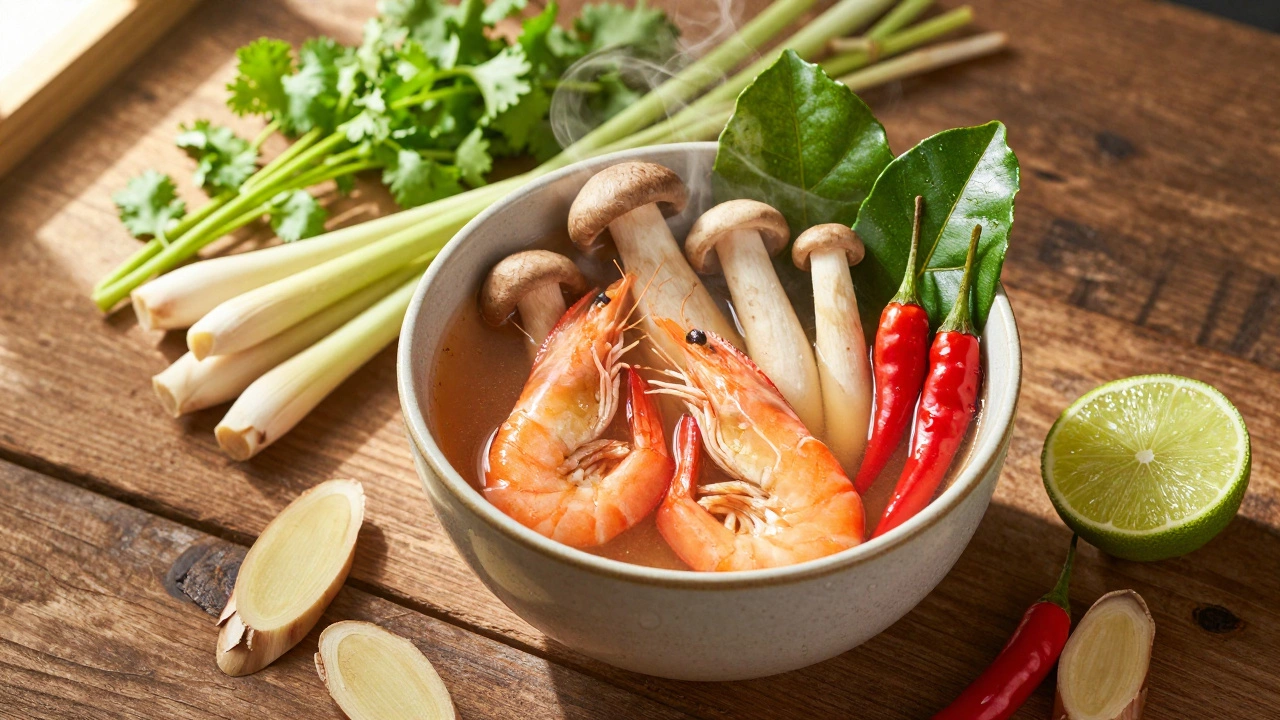
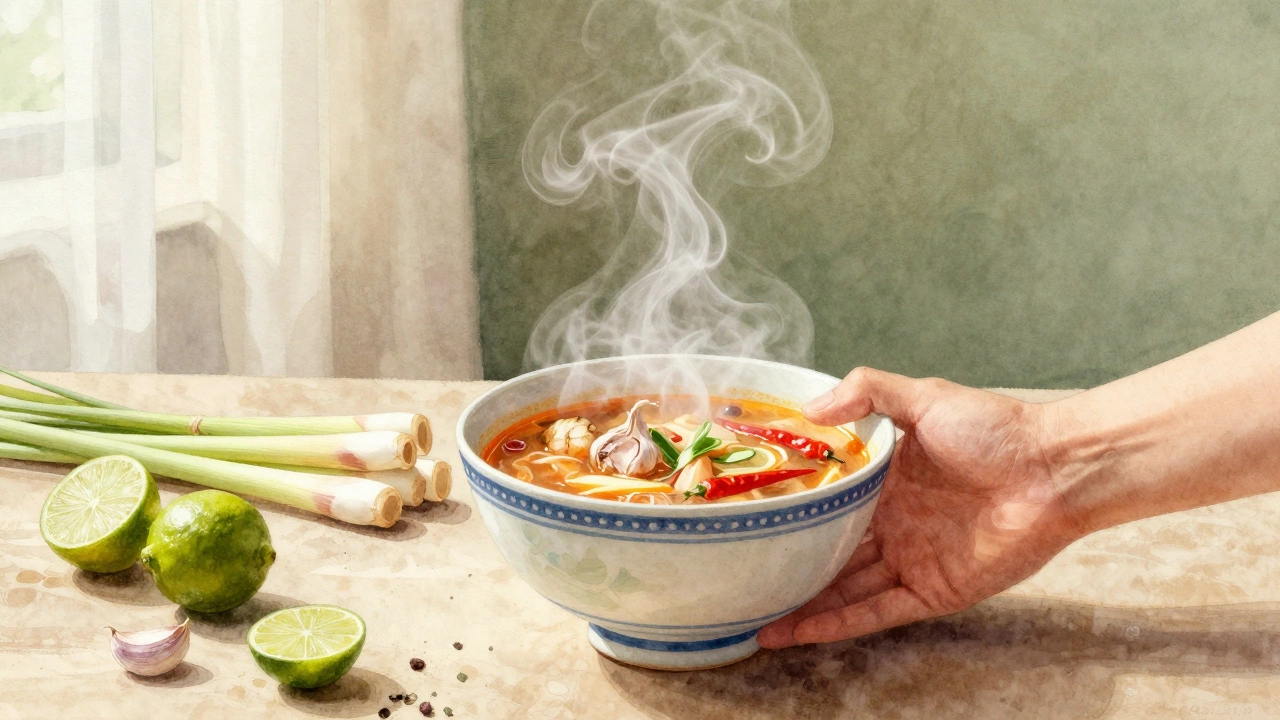
To understand the health profile, you first need to know what goes into the pot. Unlike heavy coconut milk-based curries that pack a lot of saturated fat, the classic Tom Yum healthy version relies on water or light chicken stock. The foundation starts with the holy trinity of Thai aromatics. You get lemongrass, which brings a citrusy punch without needing extra sugar to mimic sweetness. Then there is galangal, a root similar to ginger but sharper, offering anti-inflammatory properties that many studies highlight for digestive health.
Kaffir lime leaves add a floral note that stimulates the senses, while fresh chilies provide capsaicin. Capsaicin is interesting because it can temporarily boost your metabolic rate. If you eat a spicy meal, your body burns a few more calories digesting it. When combined with proteins like shrimp, mushrooms, or tofu, the dish becomes a complete meal source. Mushrooms, particularly straw mushrooms used traditionally, offer fiber and B-vitamins that support energy levels. Shrimp adds lean protein and minerals like selenium. Tofu provides a solid plant-based alternative if you prefer a vegetarian option.
Nutritional Breakdown by Calorie Count
When looking at numbers, clarity helps you make smarter choices. A standard serving of clear Tom Yum soup (Nam Som style) without coconut milk ranges from 100 to 150 calories per cup. That is incredibly low compared to Western soups loaded with cream or cheese. Protein content usually sits around 10 to 15 grams depending on how much shrimp or chicken you include. Fat remains low, typically under 5 grams, unless you opt for the creamy version known as Tom Yum Nam Khong.
The macronutrient balance tilts toward a high-protein, low-carb profile naturally. Most carb content comes from the vegetables themselves rather than refined flour thickeners. This makes it an excellent choice for people following lower carbohydrate diets. However, you must check the type of noodles served if the soup comes with rice noodles as a staple side. Rice noodles spike glycemic indices faster than plain boiled vegetables. If the goal is weight management, sticking to the broth and protein elements keeps the impact minimal.
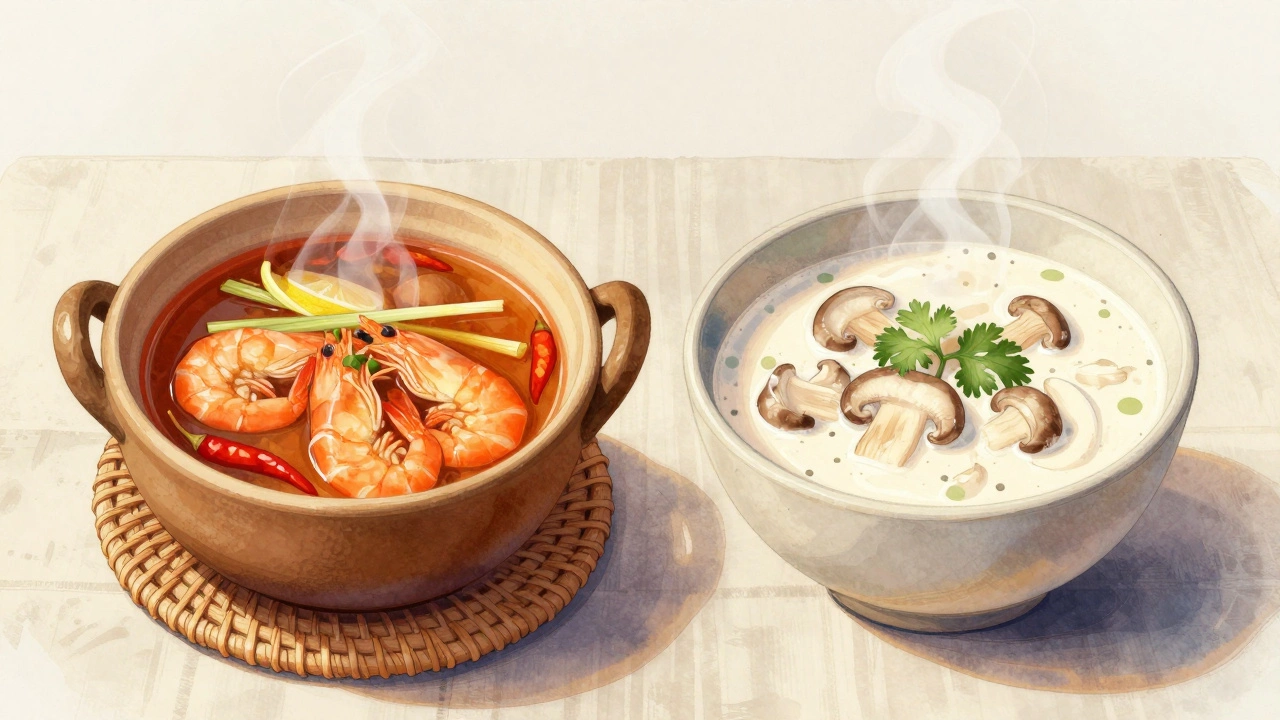
| Component | Clear Tom Yum (Nam Som) | Creamy Tom Yum (Nam Khon) |
|---|---|---|
| Calories per Cup | 100-150 kcal | 250-350 kcal |
| Saturated Fat | <1g | 8-12g |
| Sodium Level | Very High | High |
| Primary Benefit | Low Calorie / Hydration | Richest Texture / Energy |
The Hidden Danger: Sodium Intake
While the calorie count sounds promising, the salt content is the real hurdle. The secret weapon in this soup is fish sauce. Fish Saucea liquid condiment made from fermented fish and salt is packed with amino acids and umami, but it is also extremely salty. One tablespoon can contain nearly half the daily recommended limit of sodium. In restaurant settings, chefs often over-salt the dish because the sourness from lime juice requires more salt to balance the acidity.
Why does this matter? Excessive sodium leads to water retention, making you feel bloated after eating. For those monitoring blood pressure, this is a significant concern. Even if the rest of the meal is clean vegetables and shrimp, hitting 2000mg of sodium in one sitting can undo hours of hydration efforts. The solution isn't necessarily avoiding the soup, but rather controlling the seasoning packet. Ask for fish sauce on the side. If cooking at home, reduce the amount by half and compensate with fresh lime juice for acidity.
Health Benefits of the Herbal Base
Beyond basic macros, the medicinal history of these ingredients is substantial. Traditional medicine has long used lemongrass tea to combat stress and aid digestion. Modern research supports that compounds found in lemongrass may help regulate blood sugar levels. Galangol acts similarly to ginger, helping to soothe stomach cramps and nausea. For someone feeling sick with a cold, drinking hot Tom Yum works as a natural decongestant. The steam clears nasal passages, and the heat loosens mucus congestion effectively.
Vitamin C is also present due to the lime and chili peppers. Immune function relies heavily on antioxidants, and consuming fresh produce in soup form preserves more nutrients than boiling vegetables separately. The brief simmering time ensures vitamins aren't washed away. Drinking warm fluids promotes circulation, which improves oxygen delivery to tissues. This combination of thermal heat and bioactive compounds creates a genuine therapeutic effect beyond just filling your stomach.
Dietary Considerations and Restrictions
Not every body reacts the same way to spice and fermentation. If you struggle with acid reflux, the combination of chili and lime juice can trigger heartburn symptoms. This isn't a dealbreaker, but it requires modification. You can tone down the number of bird's eye chilies used. Reducing the lime juice at the end also lessens the gastric acidity. For vegans, the standard version often uses shrimp paste, so checking the stock base is vital. Many restaurants use anchovy stock instead of vegetable broth to boost the savory depth. A quick question to the server about shrimp paste ensures you stay compliant with your ethics.
Gluten sensitivity is another common issue in modern diets. Generally, Tom Yum is gluten-free because the ingredients do not contain wheat. However, soy sauce is sometimes added accidentally in fusion places, which introduces gluten. If you are strict about celiac disease, verify that the fish sauce brand is pure. Some commercial brands blend in wheat malt during fermentation. Reading labels or asking for certified GF brands ensures safety. Tofu and mushrooms remain universally safe bets for almost all allergen groups.
How to Order It Without The Guilt
Going out to eat shouldn't require sacrificing health goals. Start by choosing "Nam Som" (clear soup) over the creamy variant. Request "no sugar" if the kitchen sweetens the broth initially. Many Thai establishments sweeten the pot before serving, assuming customers prefer the sweet-sour balance. You can always sweeten it yourself with a drop of honey if you absolutely crave it. Portion control also plays a huge role here.
You can split the soup with a friend. It is rare for anyone to finish a whole large bowl without getting full midway through. Sharing the protein load keeps individual portion sizes reasonable. Another pro tip involves loading up on extra vegetables. Adding cucumber slices, cherry tomatoes, or green beans extends the volume of the meal without adding calories. Filling half the bowl with greens means you need less broth to feel satisfied. This strategy helps manage the sodium intake naturally.
Does Tom Yum help with weight loss?
Tom Yum supports weight loss primarily because it is low in calories and high in protein, which keeps you fuller longer. The broth hydrates you while the herbs boost metabolism, but you must watch the sodium content.
Is Tom Yum Keto friendly?
Yes, the traditional version is keto-friendly as long as you skip the rice noodles and avoid sugary versions of the sauce. Coconut milk adds fats, so the creamy version stays within macros but requires tracking.
Can vegetarians eat Tom Yum?
Vegetarians can eat it if they substitute shrimp with tofu or mushrooms. Crucially, you must ensure the broth does not contain shrimp paste or anchovies, which are seafood byproducts.
Why is Tom Yum red in color?
The red color comes mostly from dried chilies and paprika added to the oil or broth. It indicates the level of spice and sometimes suggests the presence of tomato paste, though not always.
Is Tom Yum good for immunity?
Yes, the high concentration of garlic, chili, lemongrass, and Vitamin C from lime provides anti-inflammatory compounds that support the immune system during flu season.
What is the difference between Tom Yum and Tom Kha?
Tom Kha contains coconut milk for a creamy texture, while Tom Yum is typically clear broth. Tom Kha is higher in calories and fat compared to the lighter Tom Yum version.