Cooking Tips for Authentic Indian Food: Essential Techniques and Safety Secrets
When it comes to Cooking Tips, practical, tested methods that improve flavor, safety, and texture in Indian kitchens. Also known as Indian cooking techniques, these aren’t just tricks—they’re the quiet rules passed down through generations that turn ordinary meals into something unforgettable. Whether you’re making dal at home or trying to replicate that creamy chicken curry from your favorite restaurant, the difference isn’t always the spices—it’s how you use them.
Take paneer, a fresh Indian cheese that spoils fast if not stored right. It’s not enough to just refrigerate it—many people think it’s fine after a week, but homemade paneer starts going bad after 5 days, even if it looks okay. Cooking spoiled paneer won’t save you. The real Cooking Tips here are about prevention: storing it in water, changing the water daily, and never leaving it at room temperature. Then there’s asafoetida, a pungent spice called hing that transforms curries when used correctly. Used in tiny amounts, it adds depth without the smell you’d expect. And if you’ve ever had coconut milk separate in your curry, you know why curry flavor, the balance of heat, acid, fat, and time that makes Indian dishes rich and layered. It’s not just adding more spices—it’s blooming them in oil, browning onions slowly, and finishing with a splash of lemon or tamarind.
Travelers often ask how to eat Indian food without getting sick. The answer isn’t avoiding street food—it’s knowing what to look for. Hot oil, fresh ingredients, and busy stalls mean the food is turning over fast. Avoid raw salads, unboiled water, and anything sitting out in the heat. This isn’t fear—it’s smart food safety India, practical habits that keep your stomach happy while enjoying local flavors. Even something as simple as whether to cover your dal while it cooks changes the texture. Cover it, and you get creamier dal. Leave it open, and it thickens faster. These aren’t opinions—they’re tested results.
You’ll find posts here that explain why tikka masala isn’t just curry, how to pick the right rice for dosa batter in the U.S., and what to do when your coconut milk curdles. No fluff. No guesswork. Just clear, real advice from people who cook this food every day. Whether you’re a beginner trying to make your first curry or someone who’s been cooking for years but still gets it wrong sometimes, these Cooking Tips are the ones that actually matter.
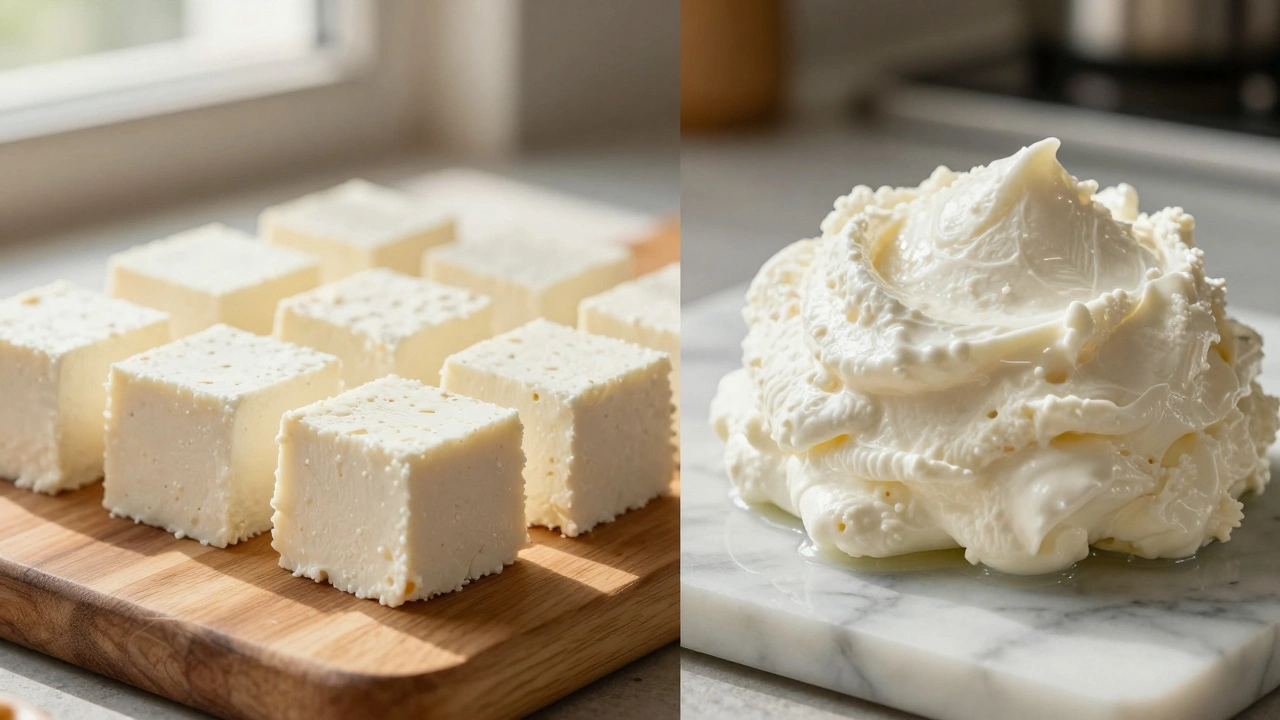
Paneer vs Malai Paneer: Texture, Taste, and How to Make Both at Home
Discover the key differences between paneer and Malai paneer. Learn how milk vs cream changes texture, taste, and cooking methods. Get simple recipes for both.
Read More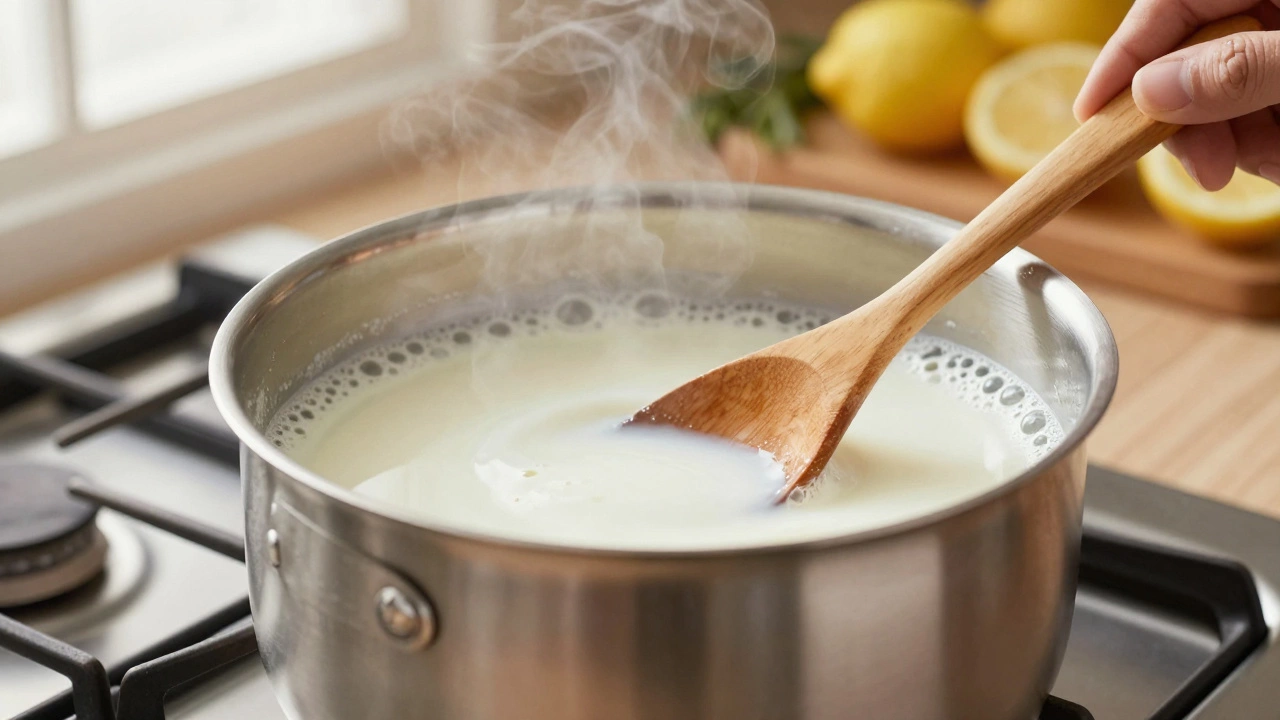
3 Proven Ways to Prevent Milk from Curdling (Plus Paneer Tips)
Learn three simple ways to stop milk from curdling in sauces and drinks. Master temperature control, acidity balance, and dairy selection for perfect results every time.
Read More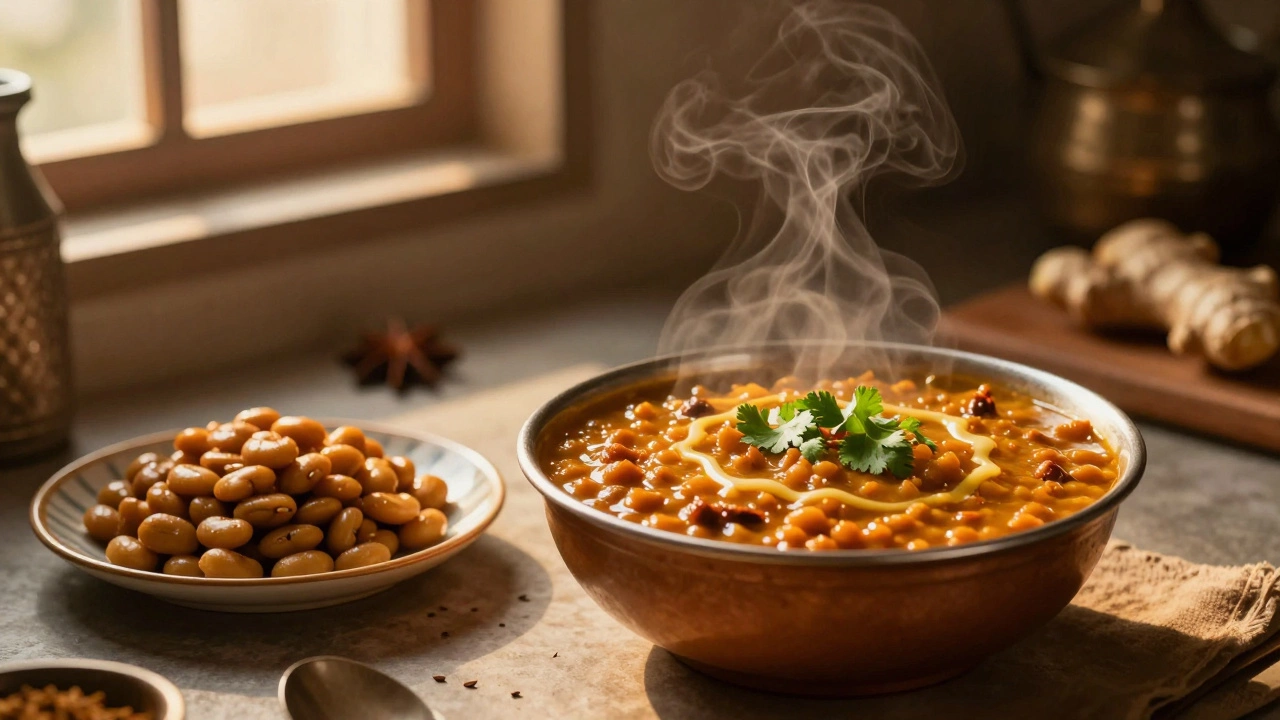
Why You Shouldn't Eat Pulses at Night: The Truth About Digestion and Sleep
Discover the truth about eating pulses at night. Learn why lentils and beans may cause bloating, how to choose easy-to-digest options, and a simple dal recipe for better sleep.
Read More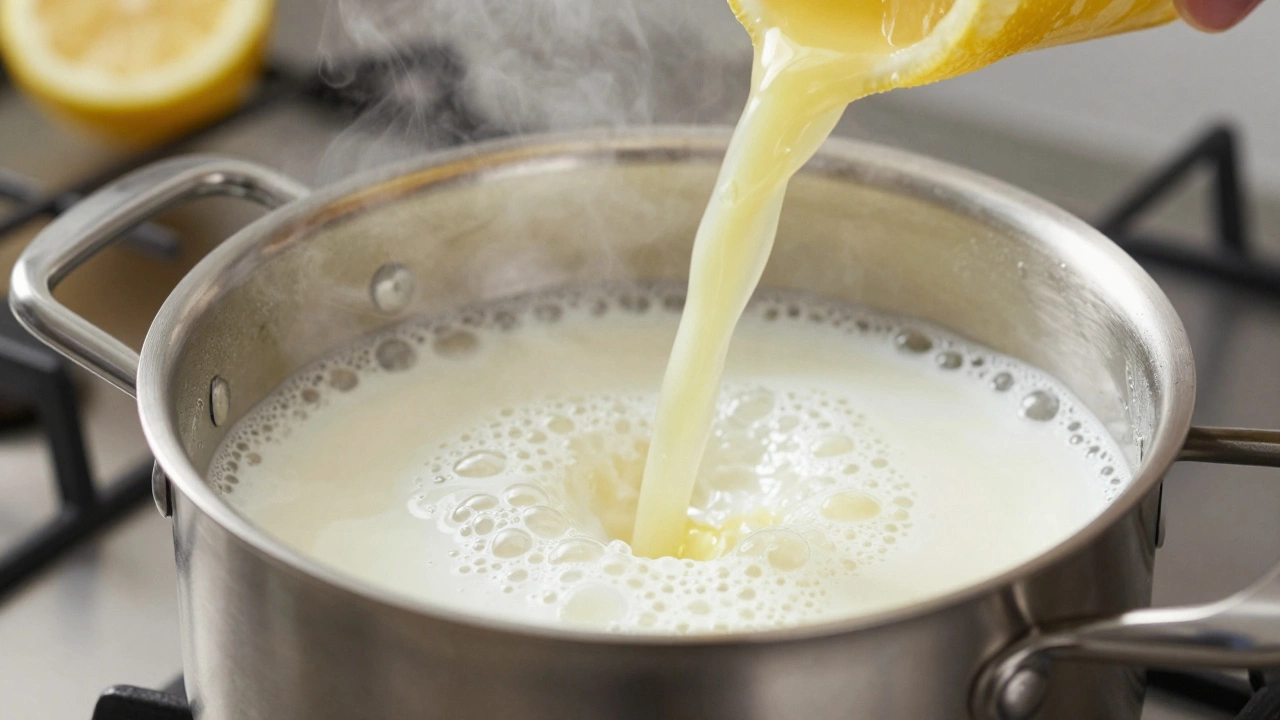
Why Is My Paneer Not Curdling? The Complete Troubleshooting Guide
Discover why your homemade paneer isn't curdling and how to fix it. Learn about temperature, acid types, and milk quality issues that prevent proper curd formation.
Read More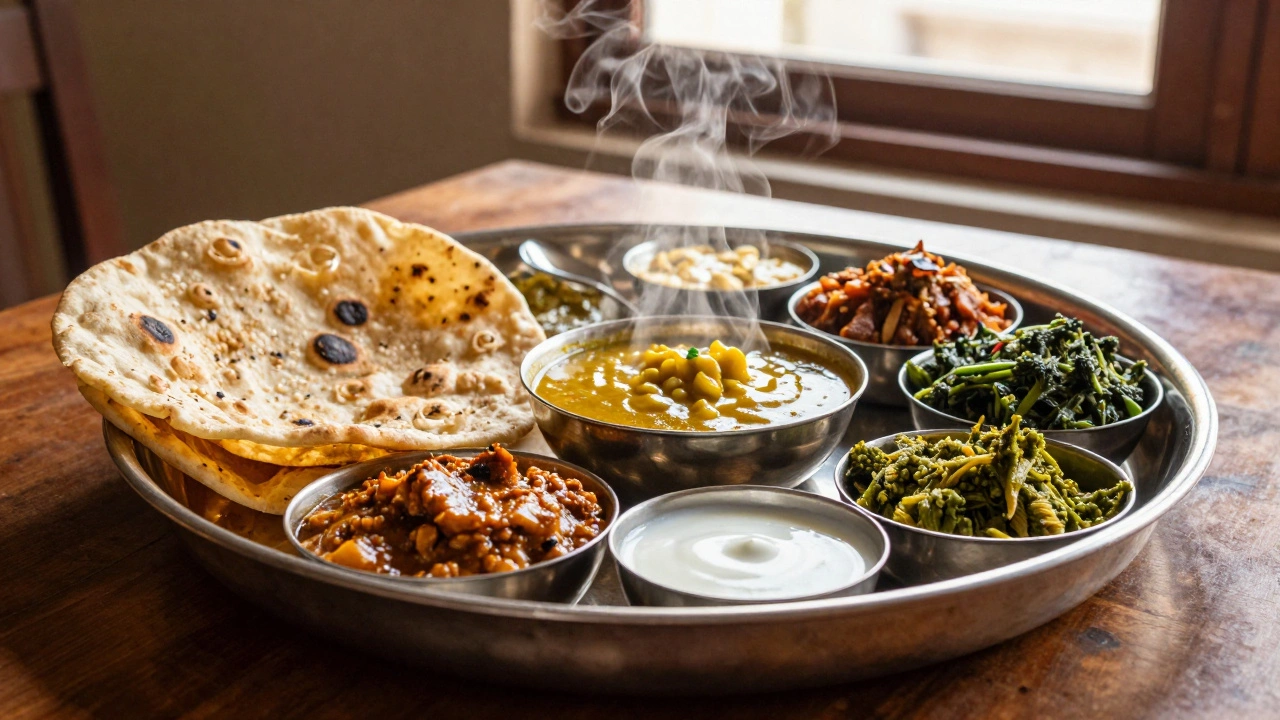
What Is the Main Meal of the Day in India? A Regional Guide
Discover what the main meal of the day is in India. From North Indian lunches to South Indian dinners, explore regional differences, urban shifts, and traditional eating habits.
Read More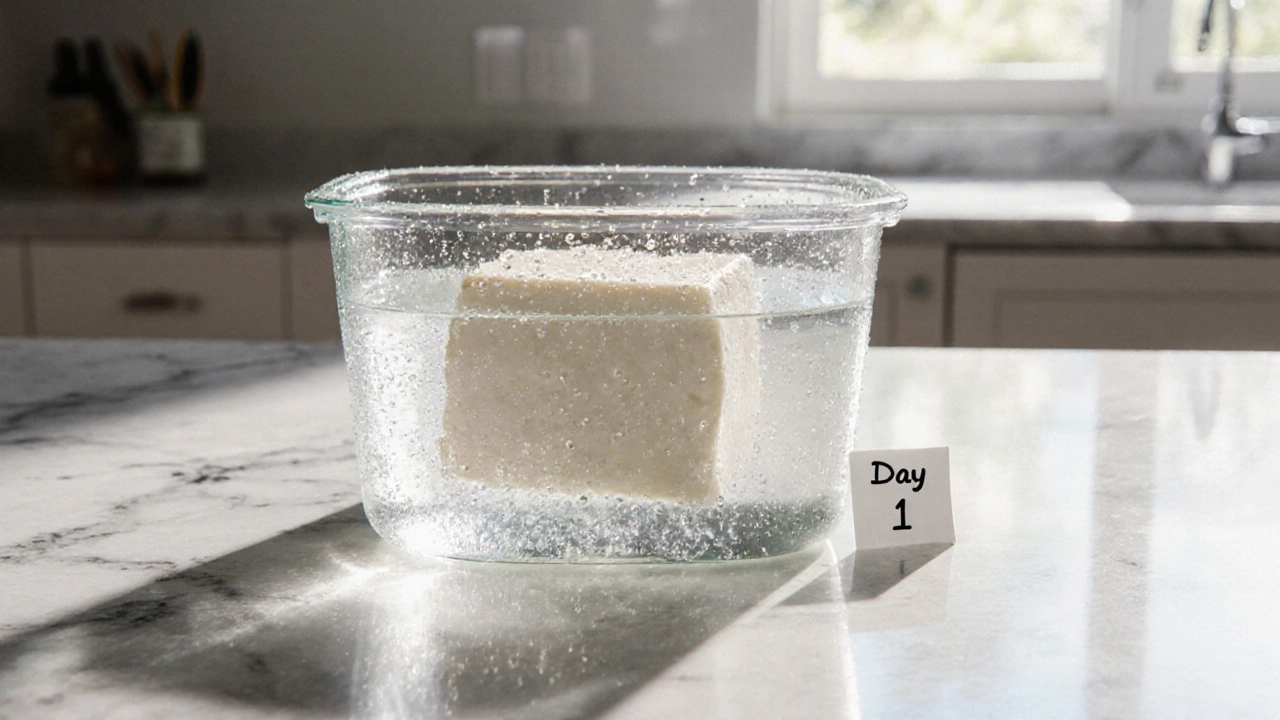
Can You Eat 7-Day-Old Paneer? Safety, Signs of Spoilage, and What to Do Instead
Can you eat 7-day-old paneer? Homemade paneer spoils quickly-after 5 days, it's risky even if it looks fine. Learn the signs of spoilage, why cooking won't save it, and how to store paneer safely.
Read More
What is the smelly spice in Indian food? - Discovering Asafoetida (Hing)
Discover the mysterious, smelly Indian spice-asafoetida (hing). Learn its origins, flavor profile, how to use it in chicken curry, storage tips, and FAQs.
Read More
How to Add Coconut Milk to Curry Without Curdling - Foolproof Tips
Learn step‑by‑step how to add coconut milk to chicken curry without curdling, with heat, acid, and thickener tips for a silky sauce.
Read More
Foods to Avoid in India: Essential Safety Guide for Travelers
Learn which Indian foods pose health risks for travelers, how to spot safe street stalls, and practical tips to enjoy delicious meals without getting sick.
Read More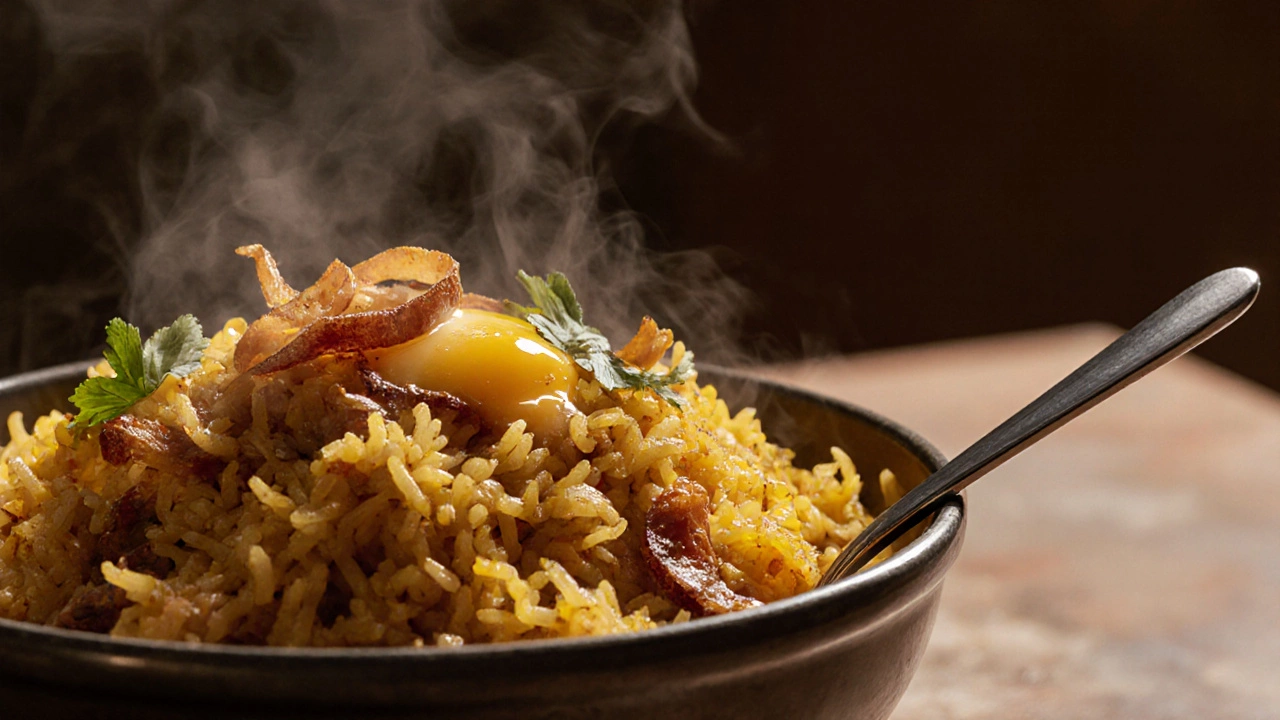
How to Eat Biryani Properly: Tips for the Best Flavor Experience
Learn the proper way to eat biryani with tips on utensils, layering, accompaniments, etiquette, and common mistakes for a flavor‑packed experience.
Read More
What’s the English word for chutney? Meaning, pronunciation & usage
Learn the exact English word for chutney, its pronunciation, usage in recipes, and common types-all explained with clear examples.
Read More
World’s Tastiest Curry: Top Picks & How to Make Them
Explore the top five global curries, learn how to judge flavor depth, and get step‑by‑step recipes to recreate the world's tastiest curry at home.
Read More