Indian Food Calorie & Health Impact Calculator
Build Your Meal
Select dishes and quantities to see the nutritional breakdown.
Nutritional Summary
0
Calories0g
Total Fat0g
CarbsSelected Items
There is a myth that Indian food is inherently healthy because it relies on spices and vegetables. While turmeric and cumin are powerful anti-inflammatories, the way these ingredients are cooked often tells a different story. If you are looking for the single unhealthiest item on an Indian menu, the answer usually isn't the heavy curry you expect. It is often a small, crispy snack or a sweet dessert that packs more calories than your entire lunch.
The problem with identifying the "unhealthiest" dish is that Indian cuisine varies wildly by region. A light South Indian dosa can be as nutritious as a salad, while a North Indian paneer makhani is a calorie bomb. However, when we look at common vegetarian Indian dishes served in restaurants worldwide, certain patterns emerge. These dishes rely heavily on deep-frying, refined flour (maida), ghee, and excessive sugar. Let's break down exactly which foods you should avoid if you want to keep your diet balanced.
The Deep-Fried Trap: Samosas and Pakoras
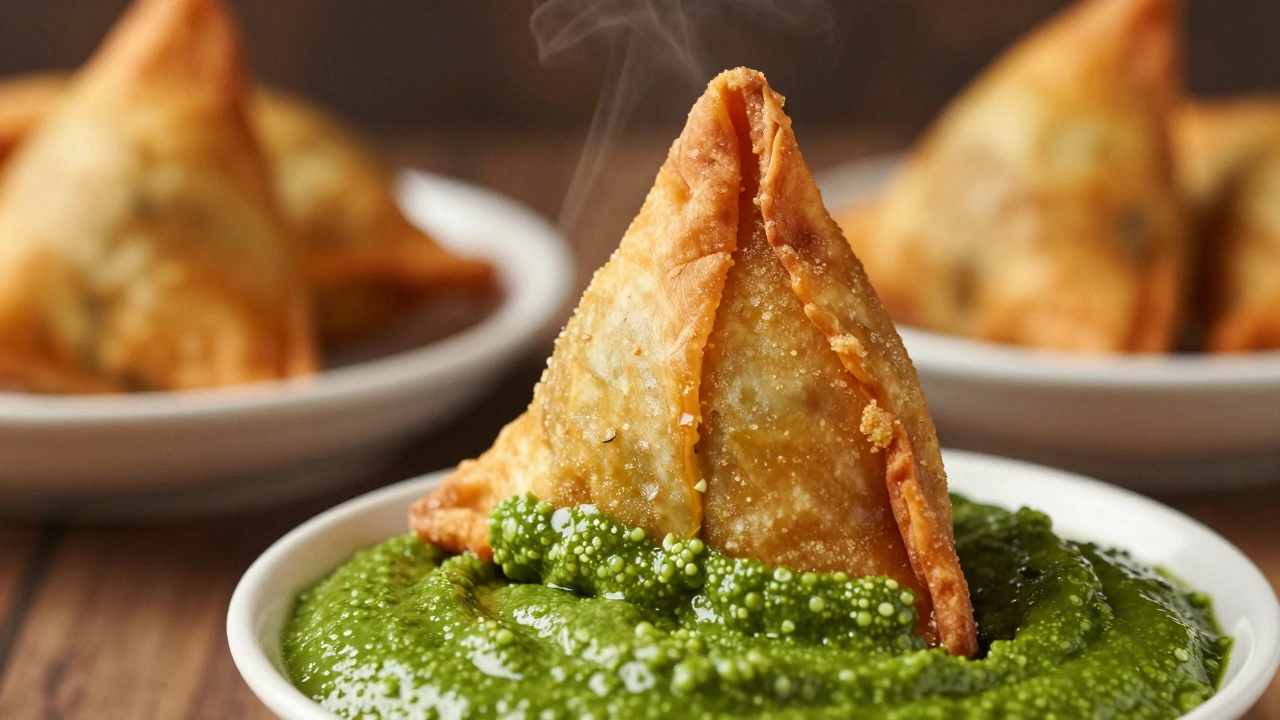
If you walk into any Indian restaurant, you will likely see samosas and pakoras on the appetizer menu. They are irresistible. Crispy, golden, and filled with spiced potatoes or onions. But they are also one of the biggest contributors to poor health among Indian food lovers. Why? Because they are deep-fried in oil until every pore of the dough absorbs fat.
A standard vegetable samosa contains around 250-300 calories, mostly from fat and carbohydrates. When you eat two or three as a starter, you have already consumed half your daily recommended fat intake before touching your main course. The filling itself is often made with potatoes, which are high in starch. Frying them again in the pastry shell creates a double-carb load that spikes blood sugar levels rapidly.
Pakoras (or bhajis) are even worse. They consist of vegetables coated in a chickpea flour batter and deep-fried. While chickpea flour is healthier than white flour, the amount of oil absorbed during frying negates its benefits. Onion pakoras, for example, can contain over 15 grams of fat per piece. The issue here is not just the calories; it is the type of fat. Many restaurants reuse frying oil, which increases the formation of trans fats and harmful free radicals.
- Samosa: High in saturated fats and refined carbs.
- Pakora: Oil-soaked batter leads to rapid calorie accumulation.
- Kachori: A stuffed bread that is deep-fried, often containing lentils but drowning in oil.
The Creamy Illusion: Paneer Butter Masala and Korma
Vegetarian diners often turn to paneer (Indian cottage cheese) as a protein source. This is a smart choice in theory. Paneer is rich in calcium and protein. However, the way it is prepared in popular dishes like Paneer Butter Masala or Malai Kofta turns a healthy ingredient into a nutritional hazard.
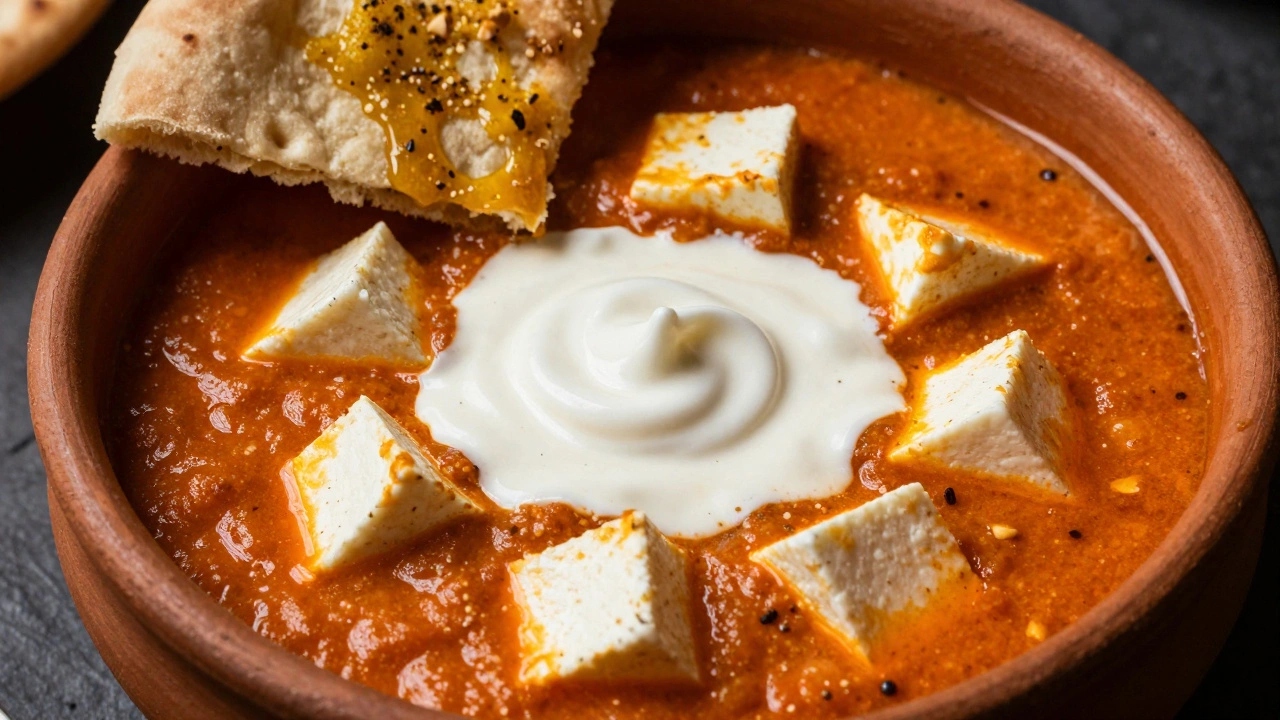
Paneer Butter Masala gets its name from two key ingredients: butter and cream. The sauce is typically made by sautéing onions, tomatoes, and spices in butter, then finishing with heavy cream and cashew paste. Cashews add richness but also significant calories. A single serving of this dish can contain over 500 calories, with nearly 40 grams of fat. Most of this fat is saturated fat, which can raise LDL cholesterol levels if consumed regularly.
Malai Kofta takes this concept further. It involves making large balls of paneer and potato, deep-frying them, and then simmering them in a creamy, sugary tomato gravy. You are essentially eating fried dough balls swimming in cream. The combination of fried carbs, dairy fat, and added sugar makes this one of the most metabolically stressful meals you can order. It sits heavy in the stomach and provides little satiety value compared to lean proteins or fiber-rich legumes.
| Dish | Calories (per serving) | Fat (grams) | Carbs (grams) | Primary Health Risk |
|---|---|---|---|---|
| Paneer Butter Masala | 550 | 40g | 30g | High Saturated Fat |
| Malai Kofta | 600 | 45g | 45g | Deep Fried + Cream |
| Gulab Jamun | 300 (per 2 pieces) | 18g | 35g | Added Sugar & Refined Flour |
| Veg Biryani | 450 | 20g | 70g | Refined Carbs & Ghee |
Sugar Bombs: Gulab Jamun and Jalebi
No discussion about unhealthy Indian food is complete without mentioning desserts. Indian sweets, known as mithai, are designed to be celebratory foods. They are not meant for daily consumption. Yet, they are often served as a standard part of the meal in many households and restaurants.
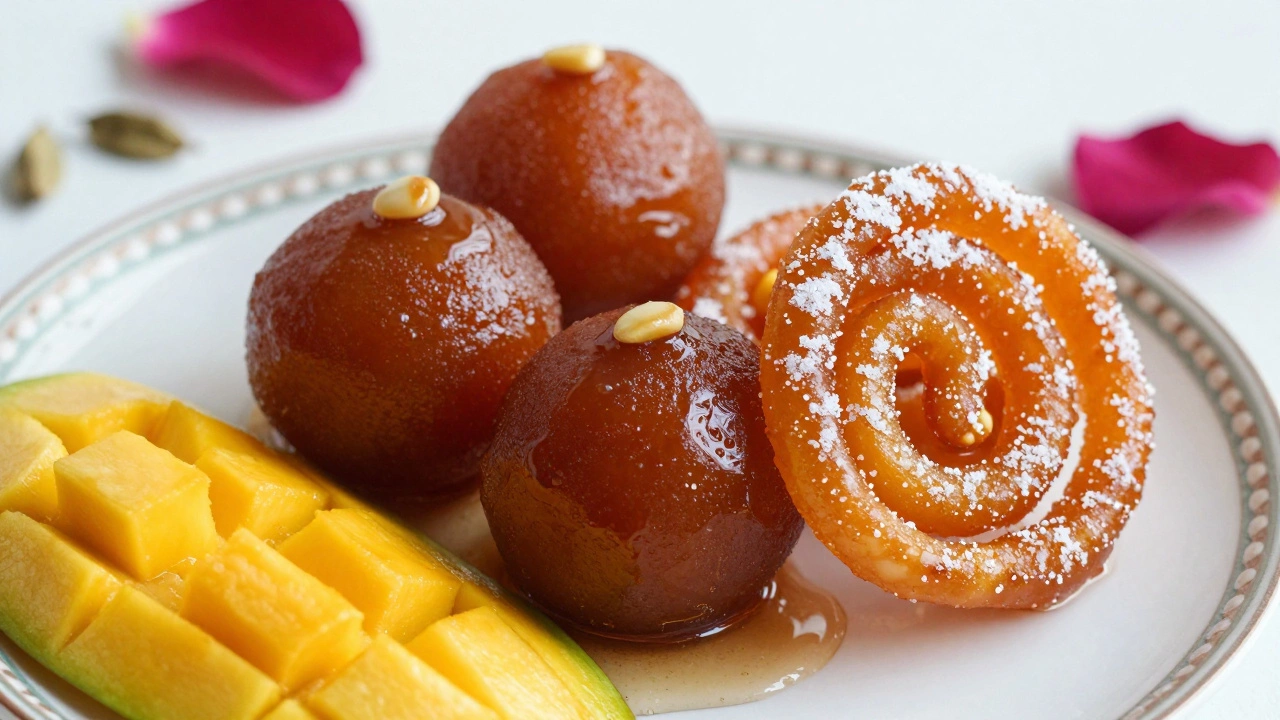
Gulab Jamun is perhaps the most iconic Indian sweet. It consists of milk solids (khoya) and flour mixed together, rolled into balls, deep-fried until dark brown, and then soaked in a warm sugar syrup flavored with rose water or cardamom. The process is brutal for your blood sugar. The khoya is already high in fat and calories. Frying it adds more fat. Soaking it in syrup adds pure sugar.
Two gulab jamuns can contain over 300 calories, with almost no fiber or protein to slow down the absorption of sugar. This leads to a rapid spike in insulin, followed by a crash that leaves you feeling tired and hungry again shortly after. Jalebi, another popular sweet, follows a similar pattern. It is a spiral-shaped treat made from fermented batter, deep-fried, and dipped in sugar syrup. It is essentially a donut shaped like a spring. Both of these treats are high in empty calories, meaning they provide energy but no essential nutrients.
The Bread Blunder: Naan and Paratha
Many people assume that bread is a neutral side dish. In Indian cuisine, however, breads like naan and paratha can be more caloric than the main curry. Plain naan might seem harmless, but restaurant versions are often brushed with butter or ghee before being served. A single garlic naan can contain up to 350 calories and 10 grams of fat.
Parathas are even denser. They are flatbreads layered with ghee or oil and stuffed with fillings like potato (aloo), spinach (palak), or radish (mooli). While the fillings add some nutrition, the cooking method involves shallow-frying the bread in generous amounts of oil or ghee to make it flaky and crisp. An aloo paratha can easily exceed 400 calories. When paired with a bowl of curd (yogurt) and pickle, the meal becomes a heavy carbohydrate load with moderate fat and low protein.
The issue with refined flour (maida) used in many naans is that it lacks fiber. Your body breaks it down quickly, leading to quick hunger returns. Whole wheat rotis are a much better alternative, but they are often overlooked in favor of the softer, richer texture of naan.
Beverages That Sneak Up On You
We often forget to count drinks when assessing our dietary health. In Indian culture, beverages play a huge role. Lassi, a yogurt-based drink, sounds healthy. But mango lassi or fruit lassis are often loaded with sugar to balance the tanginess of the yogurt. A large mango lassi can contain as much sugar as a soda.
Masala chai (spiced tea) is a staple. While tea itself is healthy, traditional masala chai is brewed with whole milk and sweetened with sugar or jaggery. If you drink three cups a day, you are consuming significant amounts of saturated fat and added sugar. Even coffee in India, such as filter coffee, is often served with evaporated milk and sugar, turning a mild stimulant into a high-calorie treat.
How to Make Smarter Choices
You do not need to give up Indian food to eat healthy. You just need to navigate the menu with awareness. Here are some practical tips to reduce the health impact of your meals:
- Choose Grilled Over Fried: Opt for tandoori vegetables or grilled paneer instead of koftas or pakoras. Tandoori cooking uses minimal oil and relies on spices for flavor.
- Ask for Less Cream: When ordering curries, request "less cream" or "light gravy." Many chefs are happy to accommodate this. Tomato-based gravies like kadhai or matar paneer are generally lighter than cream-based ones.
- Swap the Bread: Choose roti or chapati over naan. Roti is made from whole wheat and contains more fiber. Limit yourself to one or two pieces rather than unlimited servings.
- Share the Dessert: Instead of having a full portion of gulab jamun, share it with friends. Or opt for fruits like papaya or mango slices, which are naturally sweet and packed with vitamins.
- Watch the Oil: If you are dining out, ask if the dish can be prepared with less oil. For home cooking, use measured amounts of oil and prefer methods like sautéing or steaming.
Conclusion: Balance Is Key
So, what is the unhealthiest Indian food? There is no single villain. It is the combination of deep-frying, refined flour, excess sugar, and heavy creams that creates the nutritional pitfalls. Dishes like Malai Kofta, Gulab Jamun, and Garlic Naan top the list due to their high density of empty calories and saturated fats.
However, Indian cuisine also offers some of the healthiest options available. Dal (lentil soup), sabzi (vegetable stir-fry), and rice are staples that provide sustained energy, fiber, and protein. By understanding how these dishes are prepared, you can enjoy the rich flavors of Indian food without compromising your health. The goal is not deprivation, but mindful selection. Next time you order, skip the fried appetizer, choose a tomato-based curry, and savor the spices that make this cuisine so unique.
Is biryani unhealthy?
Biryani can be unhealthy depending on how it is made. Traditional veg biryani often uses basmati rice cooked with ghee (clarified butter) and fried onions. This makes it high in calories and saturated fats. However, if you control the portion size and ensure there are plenty of vegetables, it can be part of a balanced diet. Avoid adding extra raita (yogurt sauce) if you are watching your fat intake.
What is the healthiest Indian food?
Some of the healthiest Indian dishes include dal tadka (tempered lentils), palak paneer (spinach with cottage cheese, prepared with less cream), and moong dal khichdi (mung bean and rice porridge). These dishes are high in protein, fiber, and iron while being relatively low in fat. Steamed idlis and dosas from South India are also excellent choices as they are fermented and easy to digest.
Are Indian snacks always unhealthy?
Not all Indian snacks are unhealthy. While fried items like samosas and pakoras are high in calories, snacks like bhel puri (puffed rice salad), sev puri, and chaat can be healthier if they are not overloaded with chutneys and fried garnishes. Homemade snacks like roasted chana (chickpeas) or makhana (fox nuts) are lightweight and nutritious alternatives.
Can I eat Indian food on a weight loss diet?
Yes, you can eat Indian food while losing weight. Focus on dishes that are high in protein and fiber, such as lentil soups, vegetable curries with minimal cream, and grilled meats or paneer. Avoid deep-fried starters, heavy breads like naan, and sugary desserts. Portion control is crucial, as Indian portions can be quite large.
Why is ghee considered both healthy and unhealthy?
Ghee is clarified butter that has been used in Ayurvedic medicine for centuries. It contains beneficial fatty acids and is stable at high temperatures, making it good for cooking. However, it is still 100% fat and high in saturated fat. Consuming it in moderation is fine, but excessive use, as seen in many restaurant dishes, can lead to weight gain and increased cholesterol levels.