Chutney Serving Temperature Guide
Select your chutney type and main dish to get a personalized serving recommendation based on flavor perception and food safety principles.
Why this temperature?
Serving Tip
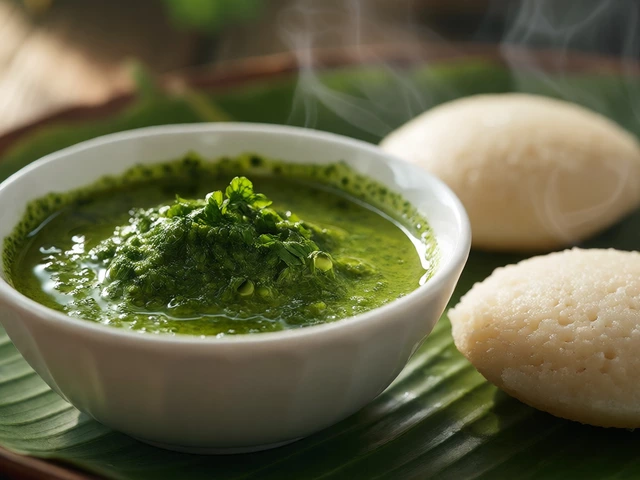
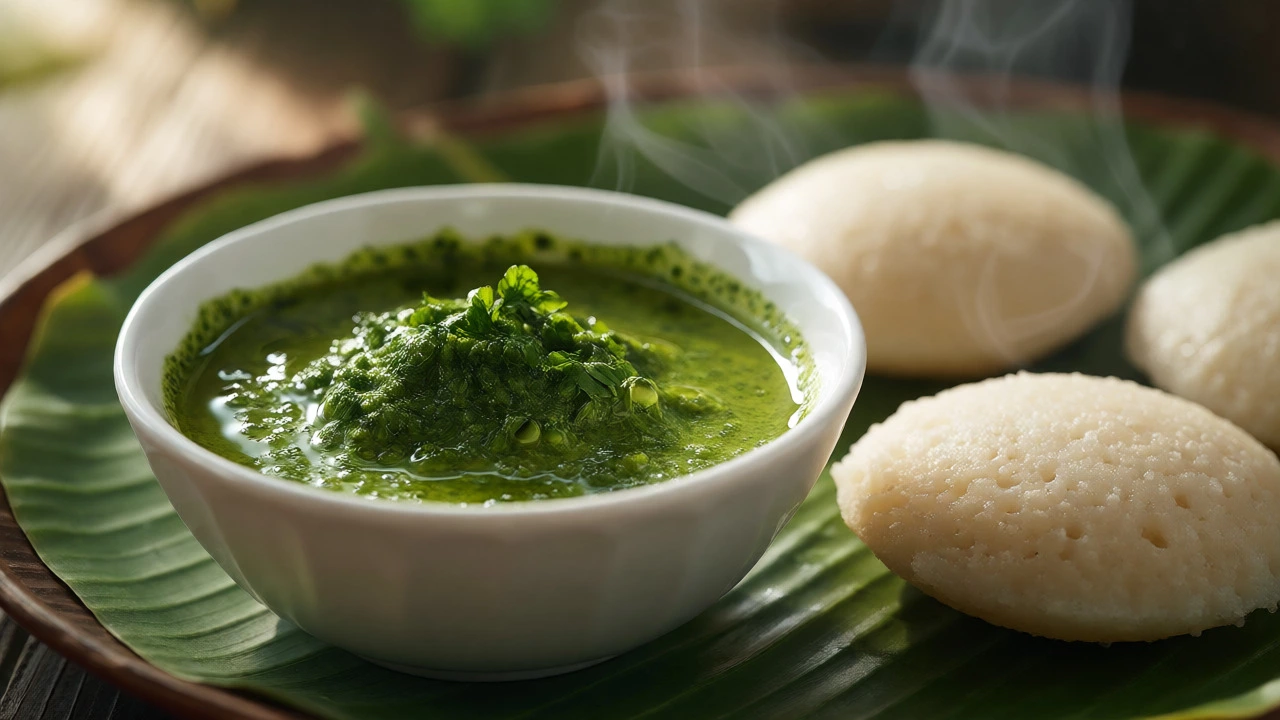
You’ve just spent twenty minutes blending a vibrant batch of coriander-mint chutney, a fresh green condiment made from cilantro, mint, ginger, and lime juice. It’s bright, it’s zesty, and it smells incredible. Now comes the question that has plagued home cooks and restaurant owners alike for generations: do you serve it straight from the fridge, chilled to perfection, or do you heat it up?
The answer isn’t as simple as “it depends.” While most people assume all chutneys are cold dips, the reality is far more nuanced. Temperature fundamentally changes how your tongue perceives flavor, aroma, and texture. Serving a mango pickle at room temperature versus ice-cold creates two entirely different eating experiences. Understanding this distinction can elevate your meals from good to unforgettable.
Why Temperature Changes Everything
Before we decide whether to grab the microwave or the spoon, let’s talk about science. Your taste buds don’t work in isolation; they rely heavily on your sense of smell. Volatile aromatic compounds-the stuff that makes food smell like garlic, ginger, or ripe mango-evaporate faster when heated. When you serve a chutney warm, those aromas hit your nose before the food even touches your tongue. This intensifies the perceived flavor.
Conversely, cold temperatures suppress volatility. A chilled tamarind chutney (imli ki chutney) will taste sharper and more acidic because the sweetness is muted by the cold. If you prefer a punchy, refreshing contrast to rich fried foods, cold is your friend. But if you want depth and warmth, heat unlocks hidden layers.
| Temperature State | Aroma Intensity | Sweetness Perception | Best For |
|---|---|---|---|
| Cold (4°C - 10°C) | Low | Muted | Fried snacks, hot curries |
| Room Temp (20°C - 25°C) | Medium | Balanced | Salads, sandwiches |
| Warm (40°C - 60°C) | High | Enhanced | Roasted meats, mild rice dishes |
The Case for Cold Chutneys
Let’s start with the most common scenario. In India, particularly in South India, chutneys are almost exclusively served cold or at room temperature. Think of the classic coconut chutney served alongside idli and dosa. These breakfast items come piping hot off the griddle. Pairing them with a lukewarm coconut dip would be overwhelming. The coolness of the chutney provides thermal relief and cuts through the starchiness of the steamed rice cakes.
This logic extends to any high-heat cooking method. If you’re making pakoras (fritters) or samosas, the oil content is high. Hot oil coats the mouth, making flavors feel heavier. A chilled mint-coriander chutney acts as a palate cleanser. The acidity in the lime juice combined with the low temperature stimulates saliva production, helping you digest the heavy snack faster.
There is also a safety factor here. Fresh herb-based chutneys contain raw ingredients like garlic, onion, and cilantro. These are prone to bacterial growth if left out too long. Keeping them refrigerated slows down spoilage. If you are hosting a party and the chutney sits out for three hours, serving it cold ensures it remains safe to eat. Warmth accelerates fermentation and bacterial activity, turning a fresh batch into a sour mess quickly.
When Warm Chutney Wins
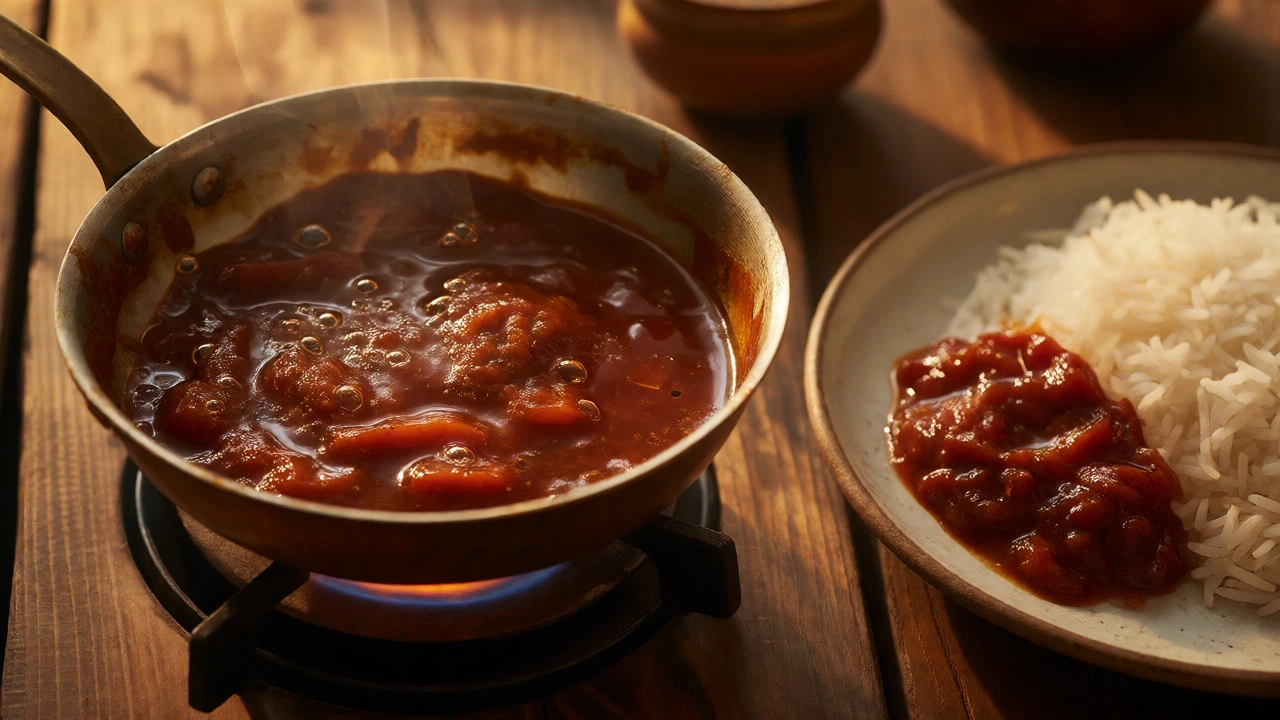
Now, flip the script. Not all chutneys are meant to be cold. Take tomato-onion chutney, often called kara chutney in Tamil Nadu. Traditionally, this is cooked until the tomatoes break down and the onions caramelize slightly. It is served warm or at room temperature immediately after cooking. Why? Because the heat melds the spices together. Raw tomato tastes metallic; cooked tomato tastes sweet and umami-rich.
Similarly, fruit chutneys designed for cheese boards or roasted meats benefit from warmth. An apple-chili chutney served cold might taste like applesauce. Warmed up, the chili notes bloom, and the pectin softens, creating a glossy, spreadable consistency that pairs beautifully with sharp cheddar or pork loin. British traditions have adopted this concept extensively. In the UK, mango chutney is rarely eaten cold with curry; it’s often warmed slightly to complement the steam rising from a plate of chicken tikka masala.
Consider the dish itself. If your main course is mild-like plain basmati rice or boiled potatoes-a warm chutney adds necessary complexity. The heat carries the spice oils directly to your olfactory receptors, making a small amount of chutney go a long way. You don’t need a mountain of sauce; a dollop of warm tamarind paste transforms bland rice into a flavorful meal.
How to Serve Without Ruining Texture
If you decide to go warm, how do you do it without turning your chutney into soup? Microwaving is risky. It heats unevenly and can separate emulsions, especially in creamy coconut bases. Instead, use a double boiler or a small saucepan on very low heat. Stir constantly. You want to take the chill off, not cook it further.
For cold chutneys, texture is king. Blending herbs releases chlorophyll, which oxidizes and turns brown over time. To keep your green chutney looking vibrant, add a splash of lemon juice right before serving. The acid stabilizes the color. Also, never freeze fresh herb chutneys unless you plan to blend them again upon thawing. Ice crystals rupture cell walls, resulting in a watery, mushy mess once defrosted.
Here is a quick checklist for serving success:
- Herb-heavy chutneys: Serve cold. Keep lid on to prevent oxidation.
- Cooked vegetable/fruit chutneys: Serve warm or room temp. Enhances sweetness.
- Nutty chutneys: Room temperature. Nuts release oils slowly; heat helps but doesn’t require boiling.
- Dairy-based chutneys: Always cold. Heat causes curdling.
Regional Variations Matter
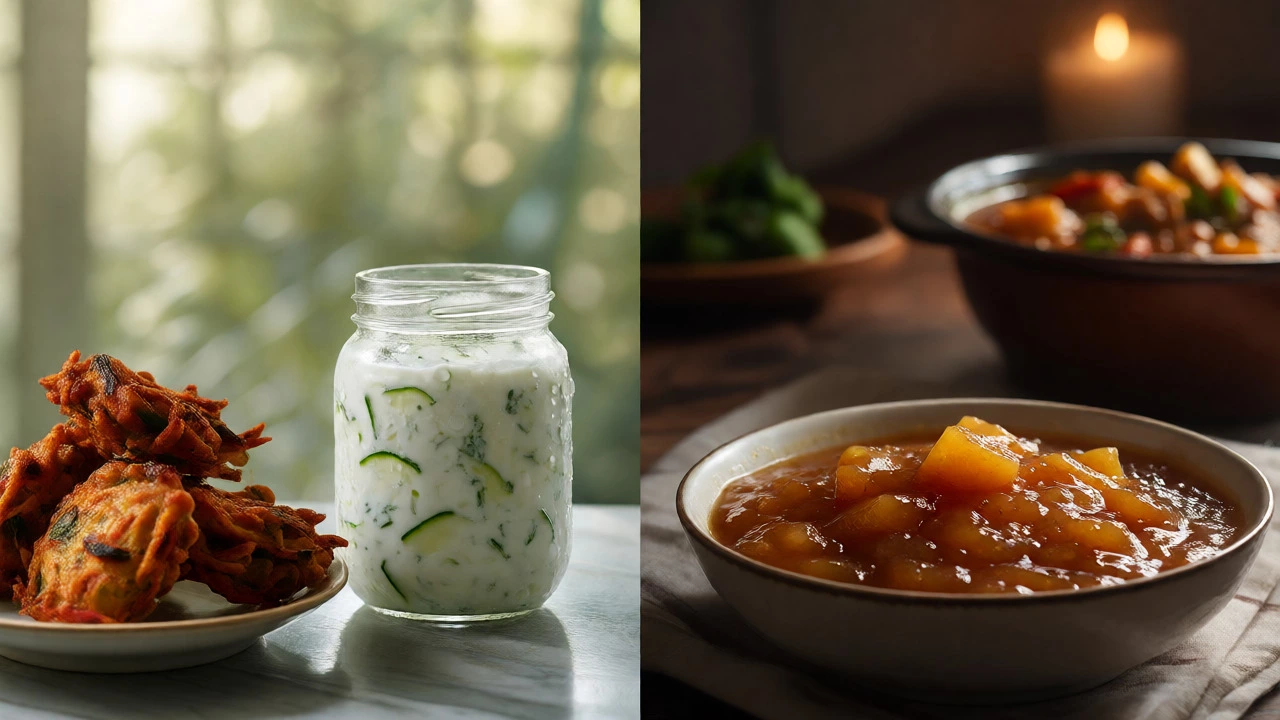
Your geography dictates tradition. In North India, raita and kachumber salad often accompany spicy curries, both served cold to counteract the heat of the dish. However, in coastal regions like Goa, fish curries are paired with kokum-based chutneys that are sometimes warmed to cut through the richness of coconut milk. Recognizing these cultural cues helps you respect the integrity of the recipe.
Moreover, consider the season. In Brighton, where I live, winters are damp and chilly. A warm apple-ginger chutney feels comforting alongside a hearty stew. In summer, a chilled cucumber-yogurt chutney is refreshing. Adapting to the weather shows culinary awareness. It’s not just about rules; it’s about context.
Troubleshooting Common Mistakes
One frequent error is serving a chutney that is too hot. If you reheat a tamarind chutney too aggressively, the sugars can burn, introducing a bitter note that ruins the balance. Always taste after warming. Another mistake is mixing temperatures incorrectly. Don’t put cold chutney on a sizzling dosa unless you enjoy the shock of temperature change. Let it sit for ten minutes if you want a smoother transition.
Finally, storage impacts serving. If you make chutney in bulk, portion it out. Repeatedly heating and cooling the same container introduces moisture and bacteria. Use clean spoons every time. Glass jars are better than plastic because they don’t absorb odors or leach chemicals when warm.
Can I reheat leftover chutney?
Yes, but only if it was originally a cooked chutney (like tomato or mango). Fresh herb chutneys should not be reheated as they lose their fresh flavor and turn bitter. Cooked chutneys can be gently warmed on a stove or in a microwave for 15-20 seconds.
Does cold chutney last longer than warm chutney?
Generally, yes. Bacterial growth is slower at lower temperatures. Fresh chutneys kept in the refrigerator at 4°C (39°F) can last 3-5 days. Cooked chutneys stored properly in sterilized jars can last weeks due to the preservative effect of sugar, vinegar, and salt, regardless of serving temperature.
Which chutneys must be served cold?
Fresh green chutneys (coriander/mint), coconut chutneys, and yogurt-based raitas should always be served cold. Heating these destroys their delicate textures and causes dairy components to curdle or separate.
Is it safe to leave chutney out at room temperature?
For no more than 2 hours. After that, bacteria multiply rapidly, especially in moist, nutrient-rich environments like chutney. If the ambient temperature is above 30°C (86°F), reduce this time to 1 hour. Discard any chutney left out overnight.
How do I fix chutney that became too watery when warmed?
If a cooked chutney becomes too thin upon warming, simmer it uncovered on low heat to evaporate excess liquid. Alternatively, stir in a teaspoon of ground nuts or desiccated coconut to thicken it instantly while adding flavor.