Whole Spices: The Flavor Foundation of Indian Cooking
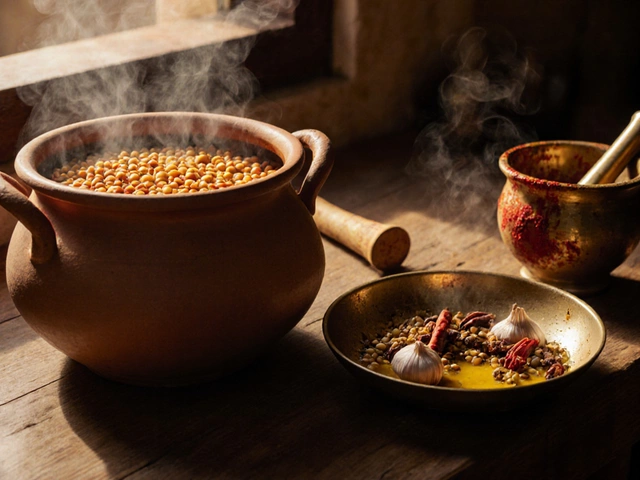
When you think of Indian food, you’re probably thinking of whole spices, intact, unground seeds, pods, and bark used to build deep, layered flavors in Indian dishes. Also known as whole aromatics, these aren’t just seasonings—they’re the starting point of almost every curry, dal, and biryani you’ve ever loved. Unlike ground spices that lose their punch fast, whole spices hold their oils and aroma until you toast them in hot oil or ghee. That’s when the magic happens: cumin seeds crackle, mustard seeds pop, and cardamom pods release their sweet, floral scent. That’s not just cooking—it’s flavor alchemy.
Most home cooks skip this step because they think ground spices are easier. But here’s the truth: cumin seeds, the small, oblong brown seeds used in tempering and spice blends taste nothing like ground cumin. Toasted whole, they’re nutty and warm. Ground? Flat and dusty. Same goes for cardamom, green pods that contain tiny black seeds with a citrusy, minty fragrance. Crush them open before adding to rice or sweets, and you’ll taste the difference instantly. Even cloves, hard, nail-shaped buds with a strong, sweet heat work better whole—remove them after cooking, like a bay leaf, so you don’t bite into one by accident.
Indian kitchens don’t just use whole spices randomly. They follow a rhythm: heat oil, add mustard or cumin, wait for the sizzle, then toss in dried chilies or fenugreek. That’s called tadka or tempering, and it’s the secret behind why restaurant curries taste deeper than your own. Even simple dishes like plain rice or dal get upgraded with a quick tempering of whole spices. You don’t need fancy tools—just a heavy pan and a little patience.
And if you’ve ever wondered why some Indian recipes say "use whole spices" and others say "ground," it’s not a mistake. Whole spices are for building base flavor. Ground spices are for finishing, thickening, or adding color. Mixing them up ruins the balance. That’s why recipes like chicken curry or biryani list both. The whole ones give depth. The ground ones give punch.
Store your whole spices in a cool, dark place—not the spice rack above the stove. Keep them in airtight jars. They’ll last a year or more, but if they smell weak or dusty, it’s time to replace them. A quick test: crush one between your fingers. If it releases a strong aroma, it’s still good. If not, toss it. Freshness matters more than quantity.
Below, you’ll find real guides from home cooks who’ve mastered these flavors—how to use asafoetida without making your kitchen smell like a chemistry lab, why soaking rice matters when you’re using whole spices in biryani, and how to tell if your cardamom is still alive. No fluff. Just what works.
What is the Small Black Thing in Biryani? Unpacking This Flavor Bomb
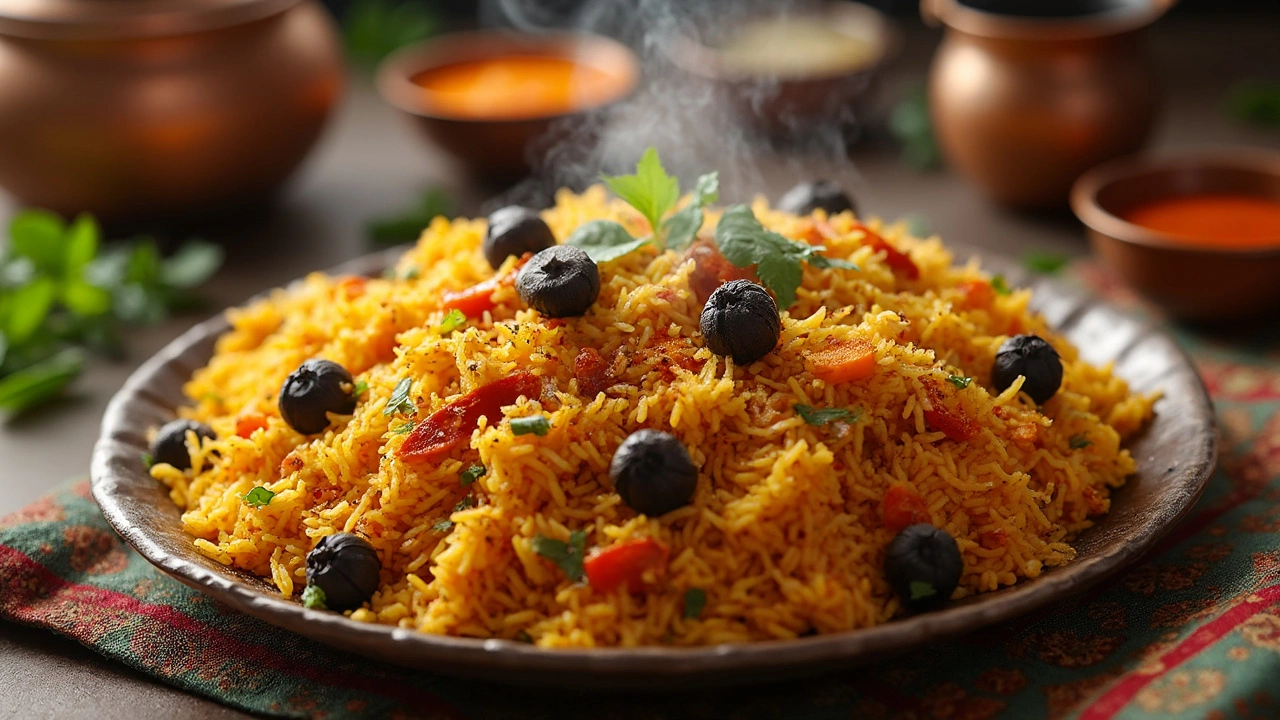
Ever wondered about that small black thing hiding in your biryani? This article reveals what it actually is, why it matters for flavor, and if it’s safe to eat. Get tips for making your biryani taste like a pro’s, and learn the fun history behind these mysterious biryani bits. Plus, find out how to use or avoid them in your next kitchen adventure.
Read More