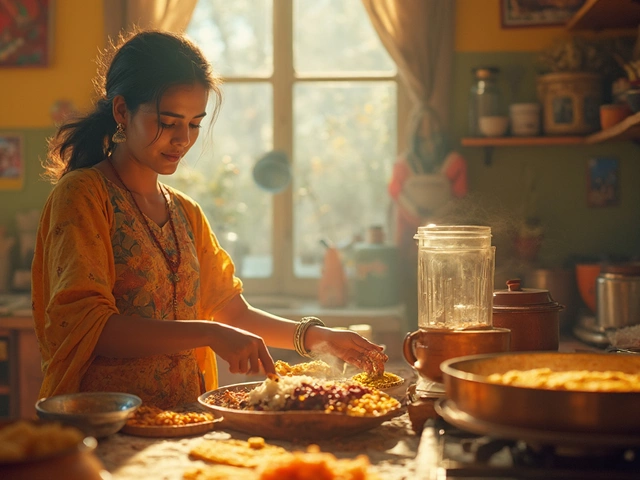
Vegetarian Diet in India: Real Foods, Real Benefits
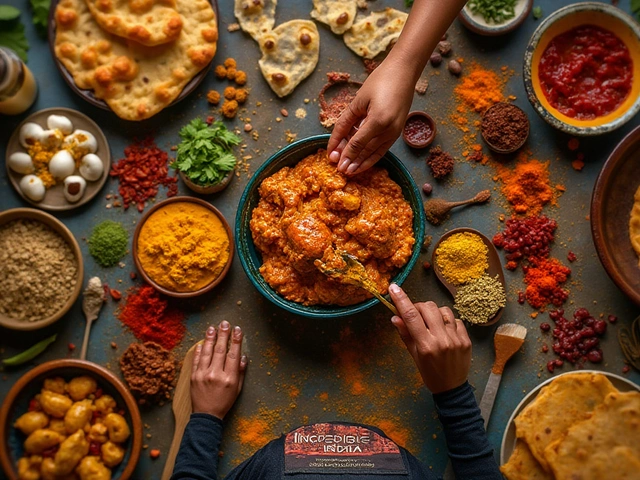
When people talk about a vegetarian diet, a way of eating that excludes meat and fish, often including dairy and plant-based proteins. Also known as plant-based eating, it’s not just a trend in India—it’s the daily reality for over 400 million people. This isn’t about skipping meat because it’s trendy. It’s about a deep-rooted food culture built on dal, split lentils cooked with spices, a daily protein source across every Indian state, paneer, fresh homemade cheese made by curdling milk with lemon or vinegar, and a pantry full of spices that turn simple ingredients into meals that satisfy, heal, and energize.
What makes the Indian vegetarian diet different? It doesn’t rely on fake meats or protein powders. It uses whole grains, like rice, millet, and wheat, often fermented or soaked to boost nutrition, paired with legumes to create complete proteins. Think dal with rice, or paneer with roti. No guesswork. No supplements. Just food that’s been perfected over centuries. And it works. Studies show people following traditional Indian vegetarian meals have lower rates of heart disease, type 2 diabetes, and obesity—not because they’re eating less, but because they’re eating smarter. The diet is rich in fiber, iron, and antioxidants from turmeric, cumin, coriander, and jaggery. Even sweets like ragi laddus or date halwa are made with natural sweeteners and nutrient-dense flours, not refined sugar.
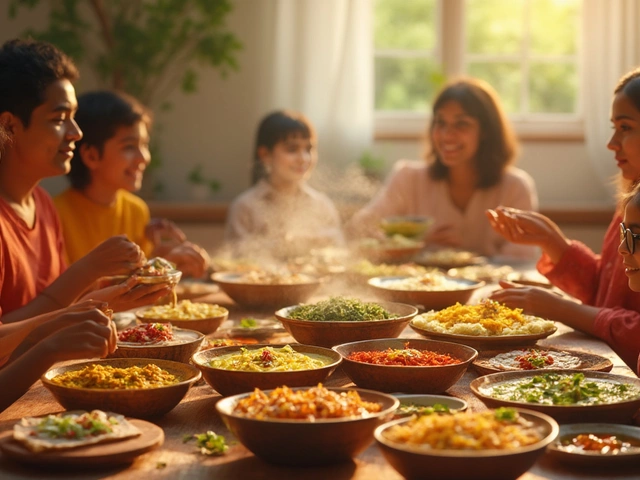
You won’t find this diet in a fancy gym or a detox cleanse. You’ll find it in homes where breakfast is idli and sambar, lunch is chole bhature with pickles, and dinner is dal and rice with a side of yogurt. It’s the diet of farmers, students, monks, and city workers alike. It’s affordable, accessible, and deeply tied to daily life. And yes, it includes snacks that help with weight loss—like roasted chana, poha, or bhel puri made with fresh veggies. It’s not about restriction. It’s about knowing what works.
Below, you’ll find real answers to real questions: Is paneer safe after 7 days? Which dal is the healthiest? Can you eat eggs in a Hindu vegetarian diet? How do you make dosa or biryani without losing nutrition? These aren’t theoretical ideas. They’re questions people ask every day in Indian kitchens. The posts here give you straight answers—no fluff, no hype—just what you need to cook better, eat healthier, and understand why this way of eating has lasted for generations.
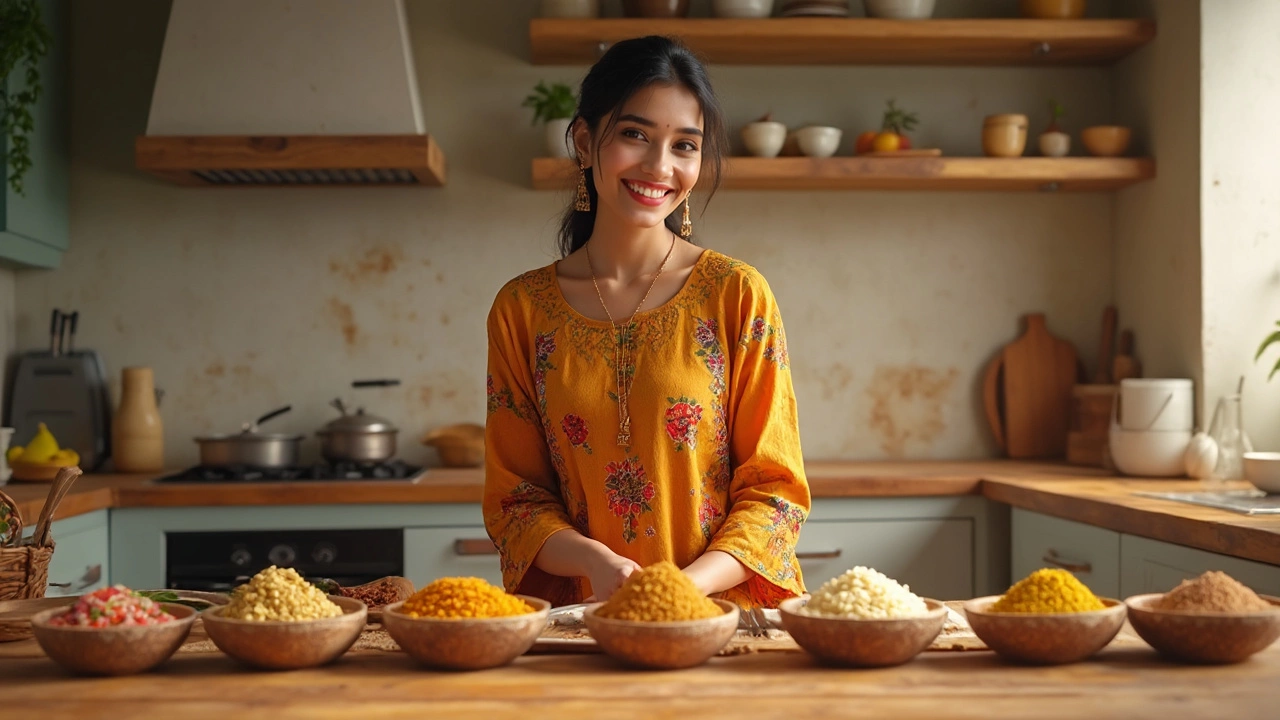
Is Dal Really a Protein? The Truth About Protein in Lentils
Curious if dal counts as protein? Here’s the science behind dal, its nutritional value, and what makes it different from complete proteins. Learn the facts!
Read More