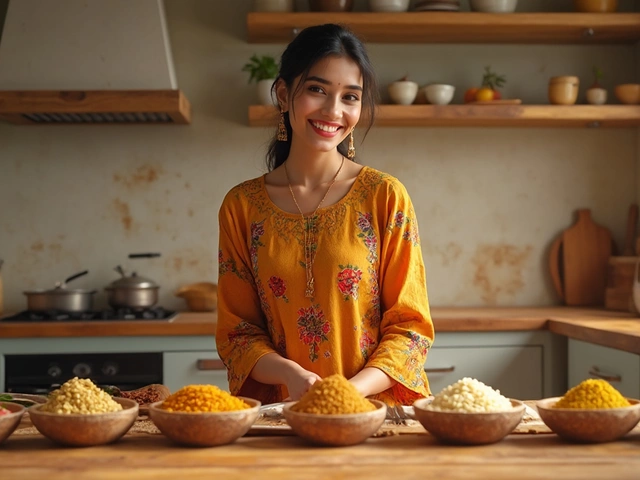
Vegetarian Culture in India: Food, Faith, and Daily Rituals
At the heart of daily life in India lies a deep-rooted vegetarian culture, a way of eating shaped by centuries of spiritual belief, regional tradition, and practical food wisdom. Also known as Hindu vegetarianism, it’s not just about avoiding meat—it’s about choosing foods that align with non-violence, purity, and balance. This culture isn’t limited to temples or festivals; it’s in the morning bowl of idli, the midday dal, and the evening paneer tikka that millions eat without a second thought.
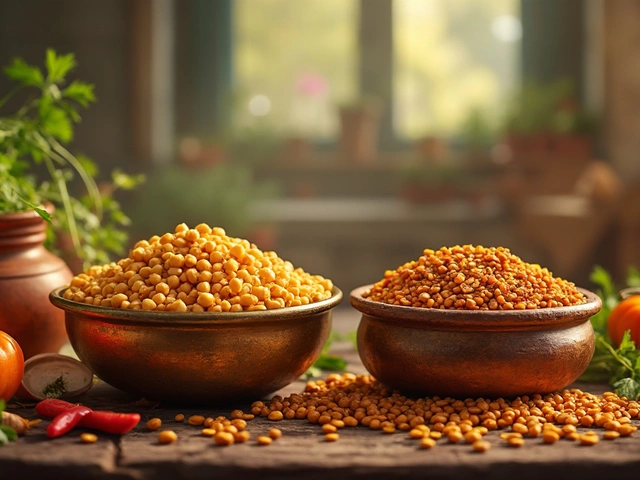
What makes this vegetarian culture so powerful isn’t just the absence of meat—it’s the richness of what replaces it. Dal, a simple stew made from split lentils or legumes, is the daily anchor of Indian meals across states and social classes. It’s cheap, nutritious, and endlessly adaptable—from the creamy toor dal of the south to the spicy masoor dal of the north. Then there’s paneer, a fresh, unaged cheese made by curdling milk with lemon or vinegar, often used in curries, grills, or snacks. Unlike Western cheeses, paneer doesn’t melt, making it perfect for frying, simmering, or stuffing into breads. These aren’t occasional dishes—they’re staples, passed down through generations, tied to family rituals and religious fasting days.
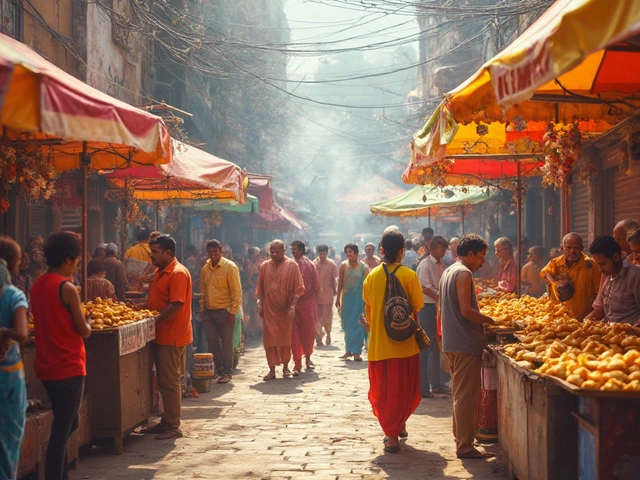
This culture doesn’t just influence what’s on the plate—it shapes how food is bought, cooked, and shared. Many households keep separate utensils for vegetarian and non-vegetarian meals, even if no one in the home eats meat. Street vendors proudly label their stalls as "pure vegetarian," and temples serve meals made without onion or garlic for those observing stricter vows. Even sweets like peda and gulab jamun, made from milk solids and sugar, are often offered in prayers and celebrations, reinforcing the link between food and devotion.
And it’s not just about religion. For many, vegetarian eating is the most affordable, sustainable, and healthy choice. With over 400 million vegetarians in India, it’s the largest such population in the world. The health benefits are clear: diets rich in lentils, vegetables, whole grains, and dairy offer high fiber, plant protein, and low saturated fat. Dishes like chole bhature, dosa, and poha aren’t just tasty—they’re packed with nutrients that keep energy steady all day.
You won’t find this culture in cookbooks alone. It lives in the way a mother teaches her daughter to soak rice overnight, in the spice blends passed from grandmother to granddaughter, in the quiet morning ritual of making fresh paneer before breakfast. This isn’t a diet trend. It’s a living tradition, built on respect—for the earth, for animals, and for the simple power of a well-cooked lentil.
Below, you’ll find real guides on what people actually eat, how they make it, and why it matters—from the safest ways to store paneer to which dal gives you the most protein, and why eggs are avoided even by many who don’t call themselves religious. These aren’t abstract ideas. They’re the everyday truths of vegetarian life in India.
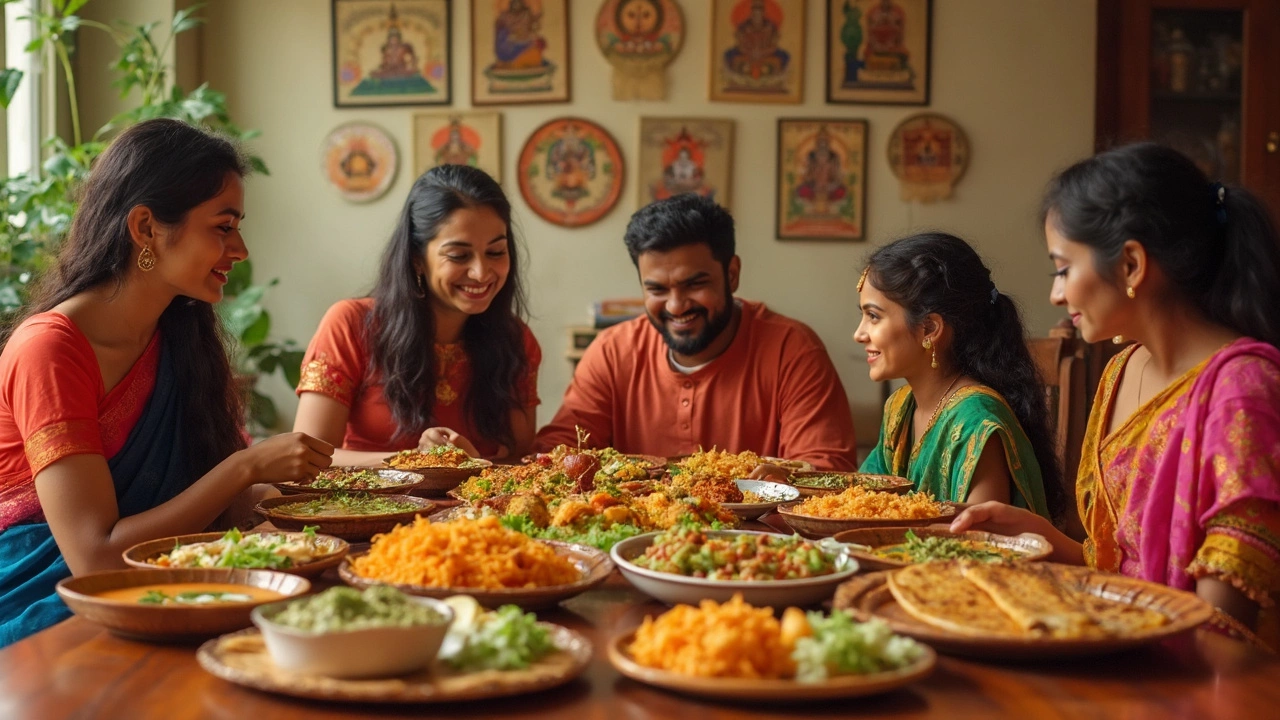
Why is India so Vegetarian? The Real Reasons Behind India's Plant-Based Plates
Ever wondered why so many people in India stick to vegetarian food? This article breaks down the unique mix of history, religion, and culture that keeps veggies at the center of Indian tables. It looks at the facts behind the numbers, explores common vegetarian ingredients, and highlights the most-loved dishes. You'll pick up tips for ordering, cooking, and trying Indian vegetarian food at home. No fluff—just straight answers for hungry minds.
Read More