Travel Health India: Safe Eating, Common Risks, and Smart Tips for Visitors
When you travel to India, your stomach becomes part of the adventure. Travel health in India, the combination of food safety, water quality, and local eating habits that affect visitors. Also known as food safety for tourists, it’s not about fear—it’s about knowing what to look for, what to skip, and how to enjoy the food without risking illness. Most travelers worry about getting sick from street food, but the real issue isn’t the food itself—it’s how it’s handled. India’s street food is some of the most flavorful in the world, but if it’s been sitting out too long, washed with unsafe water, or touched by unclean hands, that’s when trouble starts.
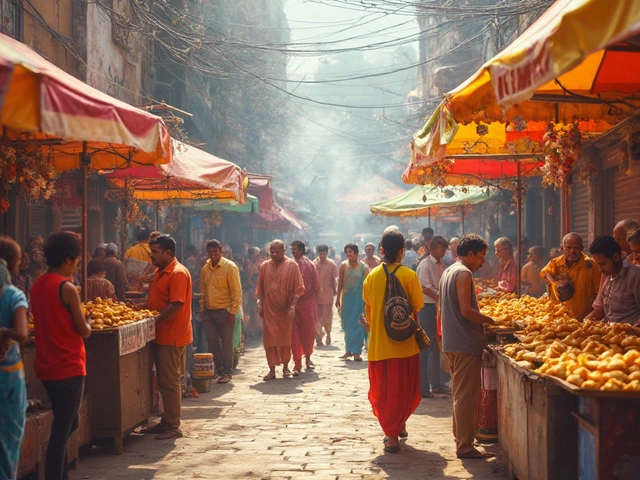
Indian food safety, the practices and standards that determine whether meals are safe to eat varies wildly from place to place. A busy stall in Delhi with a constant flow of customers is often safer than a quiet one with no turnover—freshness comes from high volume. Look for vendors who use clean utensils, cook food hot and fresh, and avoid pre-made items sitting in the sun. Avoid raw salads, unpeeled fruits, and ice in drinks unless you’re sure the water was filtered. Street food India, the vibrant, affordable, and often delicious meals sold by roadside vendors is worth trying, but pick wisely. Stick to hot, fried, or boiled items like samosas, dosas, or chole bhature—they’re cooked at high heat, which kills most harmful bacteria. Cold dishes like raita or chutney? Ask if they’re made fresh that day.
Food hygiene India, the everyday cleanliness habits used in homes and food businesses across the country isn’t always what you expect. Many vendors don’t wear gloves, but they wash their hands frequently and use tongs or leaves to handle food. That’s often better than gloves that get dirty and aren’t changed. Also, don’t assume bottled water is always safe—check the seal, and if in doubt, stick to boiled tea or coconut water. The Indian diet is full of spices like ginger, garlic, and turmeric, which have natural antibacterial properties. That’s why locals can eat what makes visitors sick—they’ve built up tolerance over time. You don’t need that kind of immunity. Just be smart.
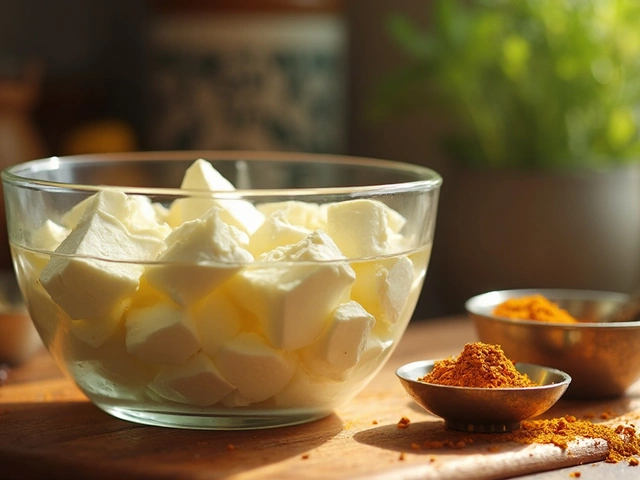
What you’ll find in these posts aren’t generic warnings. They’re real, practical lessons from people who’ve been there—how to spot a safe paneer stall, why 7-day-old paneer is risky even if it looks fine, how to add coconut milk to curry without getting sick, and which Indian sweets are actually healthy. You’ll learn what’s in your chutney, why some dals are safer than others, and how to eat biryani without upsetting your stomach. This isn’t about avoiding India’s food—it’s about enjoying it the right way, without the fear.
Staying Healthy While Traveling in India: Smart Tips to Avoid Getting Sick
Practical ways for travelers to stay healthy and avoid illness in India. Packed with easy, real-life tips on safe eating, drinking, hygiene, and medical care.
Read More