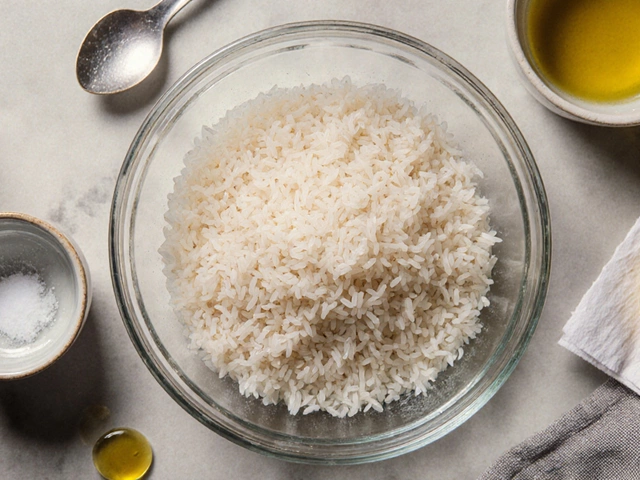
Traditional Indian Desserts: Sweet Treats from Every Region
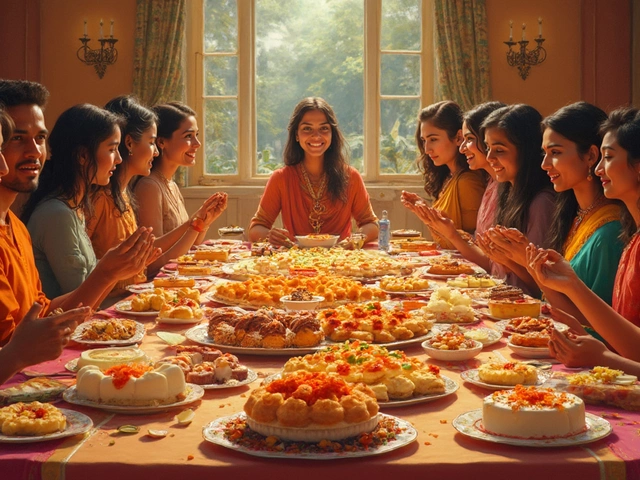
When you think of traditional Indian desserts, a vibrant collection of sweets made with milk, sugar, nuts, and spices, often tied to celebrations and daily rituals. Also known as mithai, these treats are more than just sugar—they’re culture on a plate. Unlike Western cakes or cookies, Indian sweets are often slow-cooked, hand-rolled, and shaped with care. They use ingredients like khoya, reduced milk solids that form the base of many classic sweets like kalakand and peda, jaggery, unrefined cane sugar that adds deep, molasses-like flavor and is common in southern and eastern desserts, and Gulab Jamun, fried milk dumplings soaked in syrup, a nationwide favorite with regional twists. These aren’t just snacks; they’re the heart of Diwali, Eid, weddings, and even quiet Sunday afternoons.
Every state in India has its own version of sweetness. In the north, you’ll find rich, dairy-heavy sweets like rasgulla and barfi. Down south, rice flour and jaggery take center stage in payasam and adhirasam. The west makes use of coconut and cardamom in modaks, while the east leans into sesame, poppy seeds, and date-based sweets like tel pitha. You won’t find a single recipe for these desserts—they’re passed down through generations, adjusted for local tastes, and often made in large batches for sharing. Even the way they’re served matters: some are eaten warm, others chilled, and many are paired with tea or yogurt to balance the sweetness.
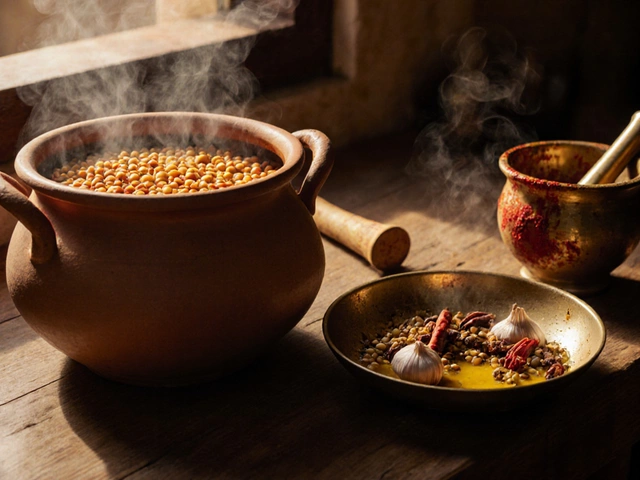
What makes these desserts stand out isn’t just their flavor—it’s how they’re made. No mixers, no ovens, just pots, pans, and patience. Making khoya from scratch takes hours of stirring milk until it thickens. Jaggery is boiled from sugarcane juice, not bought in bags. Even the syrup for Gulab Jamun is simmered with cardamom and rose water, not just sugar and water. These aren’t quick fixes—they’re labor of love. And that’s why they still matter. In a world of processed sugar, traditional Indian desserts remind us that sweetness can be slow, intentional, and deeply rooted in place and memory.
Below, you’ll find real recipes, honest tips, and stories behind the sweets your grandparents made—and why they still taste better than anything you can buy in a store.
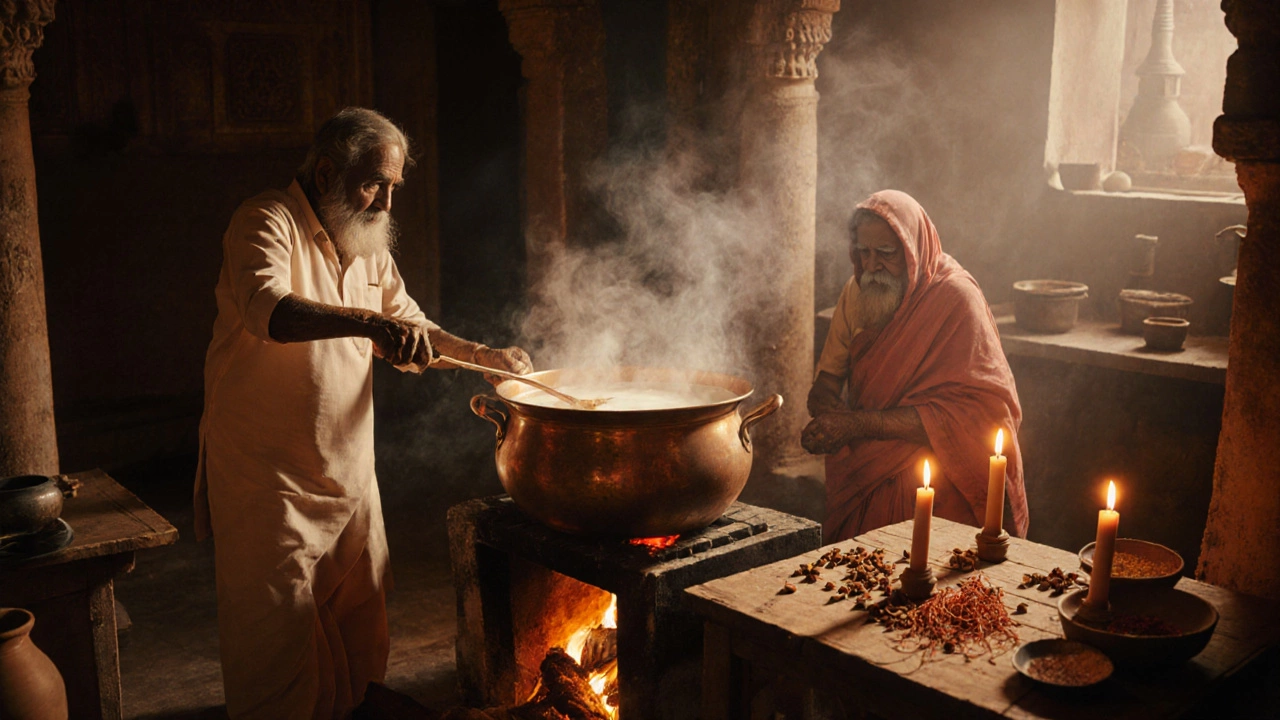
What Is the Oldest Sweet in India? The Ancient Origins of Peda
Peda is the oldest known sweet in India, dating back over 500 years to Mathura. Made from just milk and sugar, it's a simple, sacred dessert still made the same way today.
Read More