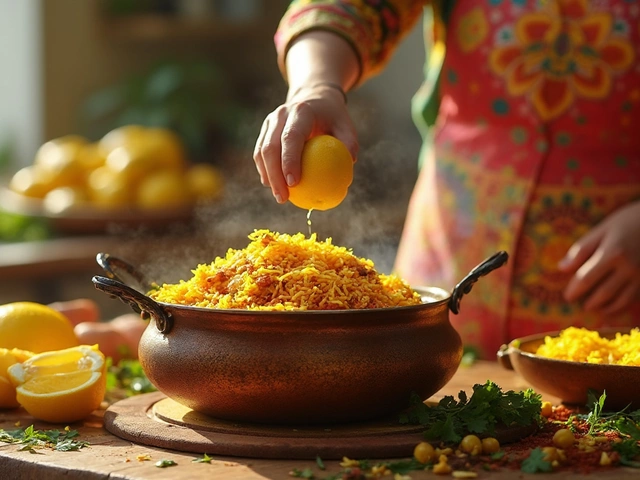
How to Thicken Curry: Simple Methods That Actually Work
When you're making a curry, a spiced, saucy dish common in Indian cooking, often made with meat, vegetables, or legumes. Also known as curry sauce, it's meant to be rich and clinging to your rice or bread—not watery. A thin curry isn’t just frustrating—it’s missing the soul of the dish. The good news? You don’t need fancy thickeners. Real Indian kitchens use simple, time-tested tricks that work every time.
One of the most common ways to thicken curry is by simmering it longer. Letting the liquid evaporate slowly concentrates the flavors and naturally thickens the sauce. This isn’t just a hack—it’s how most home cooks in India do it. If you’re in a hurry, try adding a spoonful of coconut milk, a creamy, slightly sweet liquid made from grated coconut, often used in South Indian and coastal curries. Also known as coconut cream, it adds body without masking spices. Just remember: add it late and heat gently, or it can split. Another go-to is mashed tomatoes, a base ingredient in many Indian curries, cooked down until they break apart into a thick paste. Also known as tomato puree, they add both thickness and depth. Roast them first for even more flavor. Then there’s paneer, a fresh, non-melting cheese made by curdling milk with lemon juice or vinegar. Also known as Indian cottage cheese, it doesn’t just sit in the curry—it helps thicken it as it soaks up sauce. Crumble it in during the last few minutes and watch the texture change.
Some people reach for flour or cornstarch, but those are Western fixes. Indian cooking leans on ingredients that already belong in the pot. Ground nuts like cashews or almonds, blended into a paste, add silkiness and richness. Roasted gram flour (besan) stirred in at the end gives a nutty depth and binds the sauce. Even a few soaked cashews blended with water can turn a thin gravy into something luxurious. And if your curry has lentils—like dal—those naturally break down and thicken as they cook. You don’t need to overthink it. The key is knowing which method fits your curry type: coconut milk for creamy ones, tomato paste for tangy ones, nuts for rich ones, and time for everything else.
What you’ll find in the posts below are real, tested ways people actually thicken their curries at home—no gimmicks, no complicated steps. From chicken curry that clings to rice to paneer dishes that stay saucy without being watery, these are the tricks that work in kitchens across India. You’ll learn why some methods fail, which spices help bind the sauce, and how to fix a curry that’s too thin after it’s already cooked. No theory. Just results.
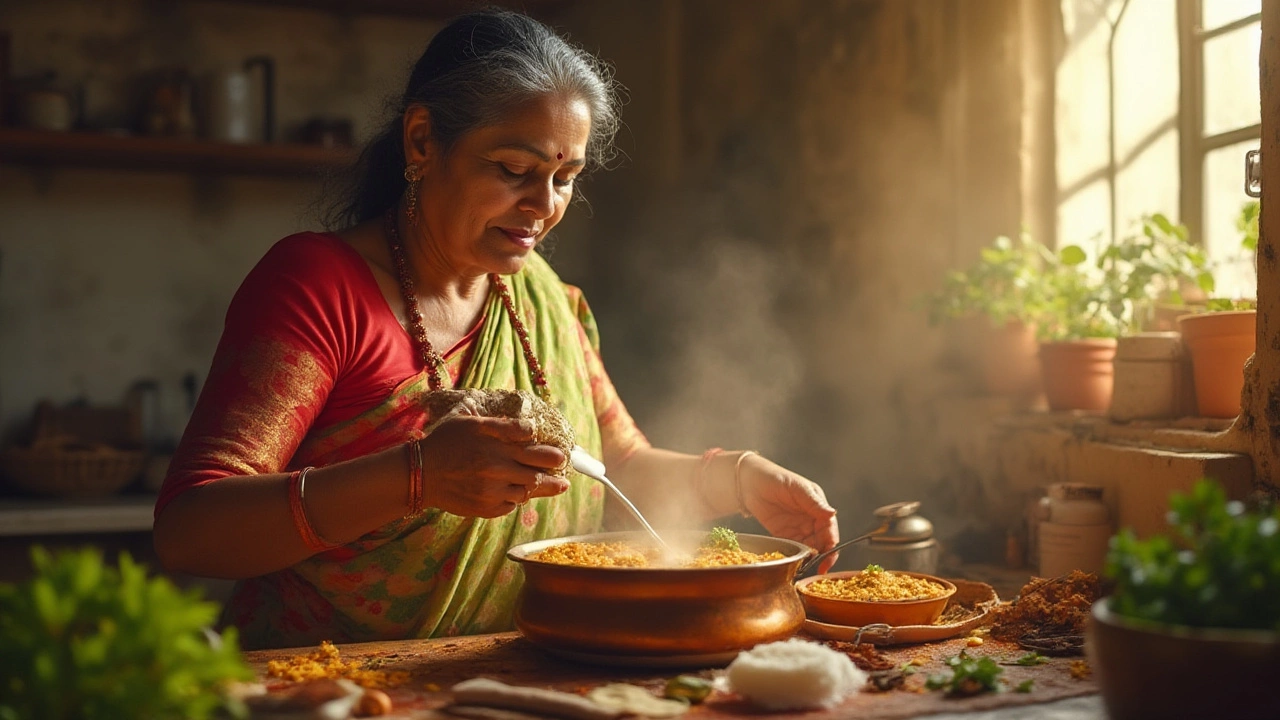
Does Coconut Milk Thicken Curry? How Coconut Milk Transforms Your Curry's Texture
Curious if coconut milk really thickens a curry? Dive into the science, traditional uses, and tricks for making the creamiest curry at home. No fluff, just clear answers.
Read More