Sweets Consumption: Healthy Choices, Traditional Treats, and What Really Matters
When it comes to sweets consumption, the way Indians enjoy desserts isn’t just about sugar—it’s tied to culture, seasons, and daily rituals. Also known as mithai culture, this practice blends tradition with practicality, where a piece of Peda, an ancient Indian sweet made from milk and sugar, dating back over 500 years in Mathura isn’t just a treat—it’s a moment of pause, celebration, or even offering.
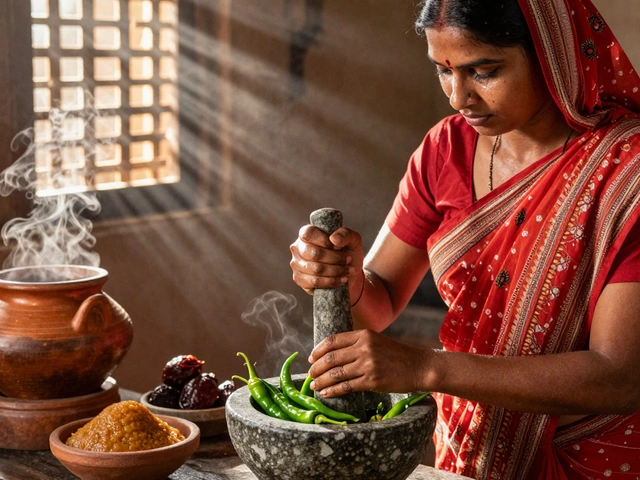
But not all sweets are the same. Many people assume Indian sweets are all loaded with refined sugar, but that’s not the full picture. Traditional recipes often use jaggery, a natural, unrefined cane sugar with trace minerals and a deeper flavor than white sugar, or khoya, reduced milk solids that add richness without artificial thickeners. These aren’t just ingredients—they’re part of a system that values slow cooking, minimal processing, and natural sweetness. Even Gulab Jamun, a popular fried dough ball soaked in syrup, often made with milk powder and sugar, but sometimes adapted with jaggery or reduced sugar, shows how flexibility exists within tradition.
Sweets consumption in India isn’t about overindulgence—it’s about balance. Many families save sweets for festivals, after meals, or as a small reward. The real issue isn’t eating sweets—it’s how they’re made and how often. Modern versions flood markets with cheap sugar, artificial colors, and hydrogenated fats, but home-made versions? They’re often lighter, fresher, and packed with real ingredients. That’s why you’ll find recipes here for healthy Indian sweets like ragi laddus, date halwa, and jaggery-based treats—designed to satisfy without the crash.
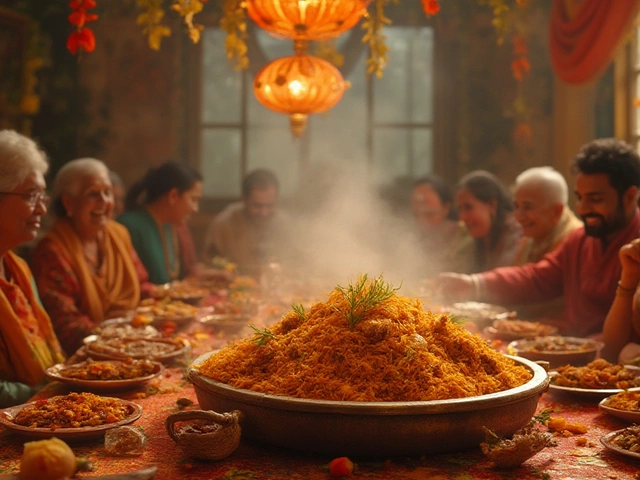
And it’s not just about what’s in the sweet—it’s about context. A piece of Peda during Diwali, a small Gulab Jamun after dinner, or a spoon of khoya-based dessert during winter? These aren’t mindless snacks. They’re cultural anchors. Meanwhile, the rise of low-sugar alternatives and awareness around glycemic impact means people are asking smarter questions: Can I enjoy this and still feel good? What sweetener was used? Is this made with milk from a local dairy, or industrial powder?
The posts below cover exactly that—the real stories behind what’s on your plate. You’ll find out why jaggery is more than a substitute, how to spot the healthiest traditional sweets, what makes Peda the oldest sweet in India, and how even a simple sweet can carry centuries of wisdom. Whether you’re cutting back on sugar, curious about heritage recipes, or just want to enjoy dessert without guilt, you’ll find practical, no-fluff advice here. No gimmicks. Just real food, real traditions, and real choices.
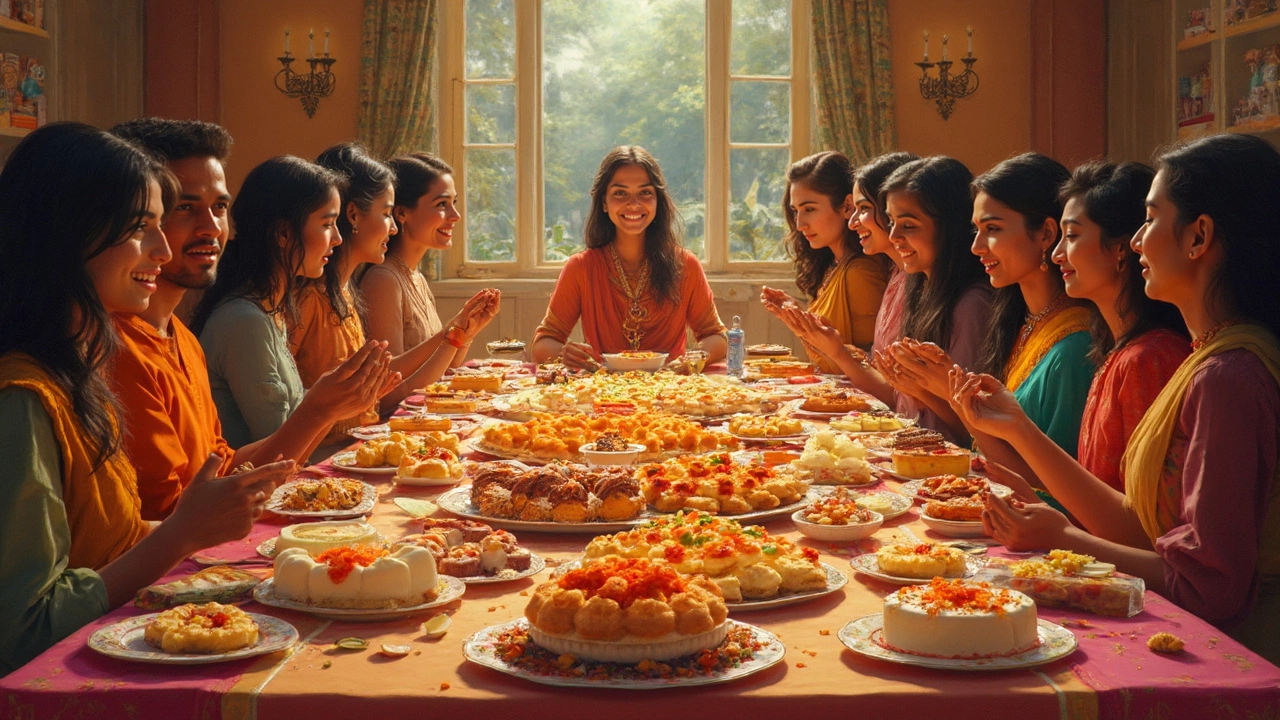
What Nationality Eats the Most Sweets? Facts, Favorites, and the Indian Sweets Connection
Ever wondered which country can't stop at just one piece of dessert? This article looks into which nationalities have the biggest sweet tooth and why. You'll find real numbers, surprising trends, and the unique place Indian sweets have in this global craving. Plus, there are tips for enjoying sweets mindfully and how Indian-inspired treats fit into the world's dessert scene. Get ready for some eye-opening facts and handy suggestions.
Read More