Soak Paneer: Why It Matters and How to Do It Right
When you make paneer, a fresh Indian cheese made by curdling milk with acid. Also known as Indian cottage cheese, it’s the star of dishes like palak paneer and paneer tikka. But if you skip one simple step—soaking paneer—you’re missing out on the best texture and flavor.
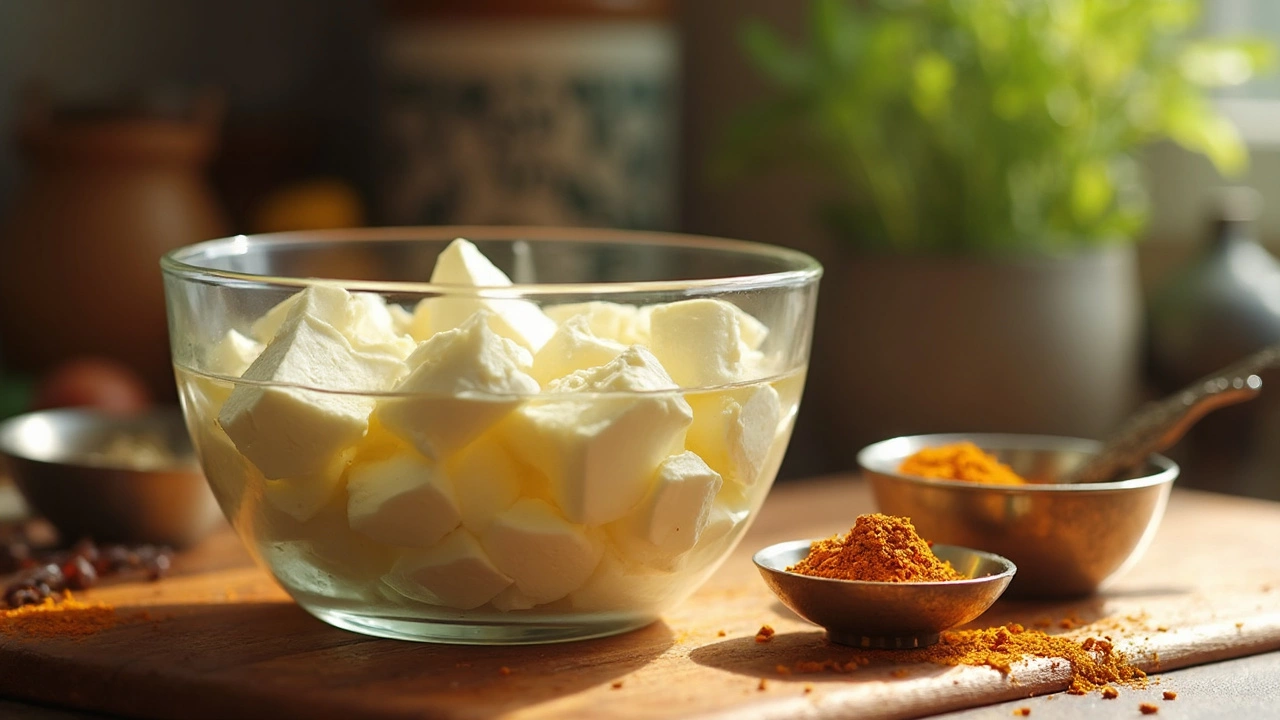
Most people think paneer is ready to cook right after it’s pressed. But fresh paneer is dense, dry, and often rubbery. That’s because the curdling process squeezes out moisture. Without soaking, it won’t absorb spices or sauce. It just sits there, chewy and bland. Soaking paneer in warm water for 10 to 15 minutes reverses that. It rehydrates the cheese, making it soft, springy, and ready to soak up all the flavors of your curry. Think of it like letting a sponge sit in water before you use it. Same idea.
This isn’t just a trick for home cooks—it’s used in restaurants across India. If your paneer turns out tough, it’s not the recipe. It’s the prep. The water temperature matters too. Too cold? It won’t help. Too hot? It starts melting. Lukewarm water is the sweet spot. Some add a pinch of salt or a drop of lemon juice to the water, but plain water works fine. The goal isn’t to flavor it—it’s to fix the texture.
And soaking isn’t the only thing that affects paneer. How you make it matters too. If you use low-fat milk, you’ll get a crumbly, dry paneer that won’t soften no matter how long you soak it. Full-fat milk gives you the right structure. Also, don’t press it too hard. Over-pressing removes too much moisture, and no amount of soaking can bring it back. You want it firm, but not rock-hard.
Once you start soaking paneer, you’ll notice the difference in every dish. Your butter paneer won’t feel like chewing rubber. Your paneer masala will taste richer because the cheese is actually holding onto the sauce. Even grilled paneer turns juicier. It’s a tiny change that makes your cooking feel more professional.
You’ll find posts here that show you how to make paneer from scratch, how to store it so it lasts longer, and even how to tell if it’s gone bad. But if you’re skipping soaking, none of those tips will fix the texture problem. This one step is the quiet hero of Indian paneer dishes. Do it right, and everything else falls into place.
Why Soak Paneer Before Cooking: The Simple Secret to Softer Homemade Paneer
Wondering why everyone soaks paneer before tossing it into your favorite curry? This article breaks down the real reasons behind this step. You'll get quick, no-nonsense answers, along with a few helpful tricks for making your paneer extra soft and tasty. There are even some surprising facts about homemade paneer that most people miss. Get ready to step up your paneer game without extra hassle.
Read MoreRecent Post