Rice and Dal Proportion: Perfect Ratios for Every Indian Meal
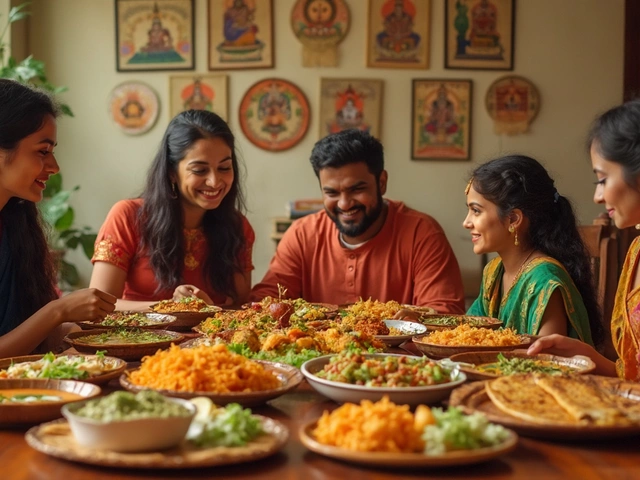
When you cook rice and dal, a foundational pairing in Indian households that combines carbohydrates and plant-based protein. Also known as khichdi when blended together, this simple dish is the backbone of meals across India—from Tamil Nadu to Punjab, and from village kitchens to urban apartments. The magic isn’t in the spices—it’s in the ratio. Too much rice and the dal gets lost. Too much dal and you’re eating soup with grains. The right balance turns a basic meal into something comforting, filling, and nutritionally complete.
Most home cooks use a 1:1 or 1:2 ratio—one part dal to one or two parts rice. But it depends on the type. toor dal, the most common split pigeon pea used in Indian cooking works best with 1:1.5 rice. For masoor dal, a quick-cooking red lentil with a mild flavor, try 1:2. If you’re using chana dal or urad dal, you’ll need more water and longer cooking time, so stick to 1:1. The grain size matters too—basmati rice expands more than short-grain rice, so adjust accordingly. This isn’t guesswork; it’s science. Dal absorbs water differently than rice, and getting the ratio right means your final dish isn’t mushy or dry.
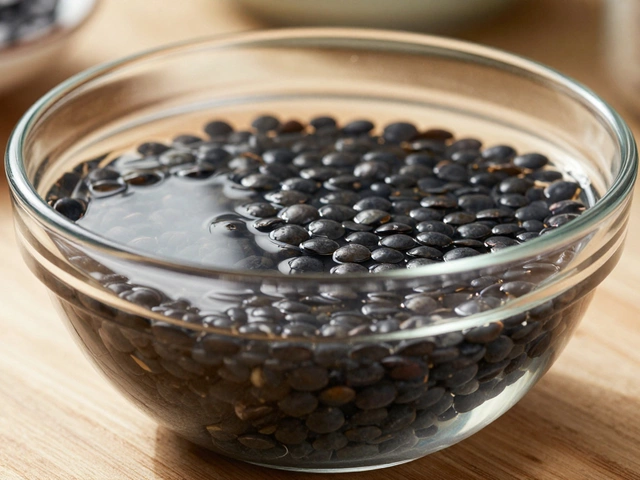
Why does this matter? Because the right proportion affects digestion, energy release, and even blood sugar levels. A balanced rice and dal meal gives you slow-burning carbs and complete protein without needing meat. It’s why this combo is a staple in Ayurveda and why millions eat it daily. You’ll find this ratio echoed in regional dishes—like Karnataka’s sambar rice, Bengal’s dal bhat, or the simple khichdi served during fasting. The posts below cover everything from how to cook perfect dal for kids to why soaking dal changes the texture, and even how to fix a too-thin or too-thick mix. Whether you’re new to Indian cooking or just tired of soggy dal rice, the right ratio is your first step to getting it right every time.
Optimal Urad Dal and Rice Ratio for Perfect Dosa Batter
Crafting the perfect dosa is an art, and understanding the ideal ratio of urad dal to rice is crucial for achieving that crispy, golden exterior with a soft interior. This article delves into the specifics of dosa batter preparation, offering detailed insights into the commonly recommended ratios. Additionally, it provides practical tips and interesting facts that will elevate your dosa-making skills to the next level. Whether you are a seasoned cook or a beginner, this guide will be an invaluable resource in your culinary journey.
Read More