How to Prevent Curdling in Indian Cooking: Tips for Milk, Paneer, and Curries
When you're making curdling milk, the unwanted separation of milk proteins into solid curds and watery whey. Also known as coagulation, it's a natural process—but in Indian cooking, it's often a mistake you want to avoid. Whether you're simmering a creamy korma, stretching paneer from fresh milk, or adding yogurt to a curry, curdling ruins texture and taste. It’s not about bad ingredients—it’s about heat, acidity, and timing.
You’ll find this problem pop up in recipes like paneer making, the process of separating milk solids from whey using acid like lemon juice or vinegar. If the milk boils too fast or the acid is added cold, you get lumpy, grainy paneer instead of smooth, firm cubes. Same goes for Indian curries, dishes that rely on yogurt, cream, or coconut milk for richness. A splash of yogurt stirred into a boiling curry? It’ll split instantly. But if you temper it first—mix it with a spoonful of warm curry, then slowly stir it in—you keep it silky.
Here’s what actually works: never let dairy hit a full boil. Keep the heat low, especially after adding yogurt or cream. Stir gently, never aggressively. Let cold ingredients warm up first. Use full-fat milk or cream—it holds together better than skim. And if you’re making paneer, heat the milk slowly to just below boiling, then add lemon juice or vinegar that’s at room temperature. Wait five minutes. Don’t stir. Let the curds form on their own.
Some cooks think adding a pinch of baking soda stops curdling. It doesn’t—it just changes flavor. Others think stirring constantly helps. It doesn’t—it breaks the curds apart faster. The real trick is patience and control. You’re not fighting nature—you’re working with it.
These same rules apply whether you’re making a Punjabi butter chicken, a Bengali doi maach, or even a simple dal with a dollop of cream on top. The science is simple: heat + acid + agitation = disaster. Low heat + slow addition + gentle mixing = perfect texture every time.
In the posts below, you’ll find real, tested methods from home cooks who’ve cracked the code on creamy curries, flawless paneer, and yogurt-based dishes that never split. No guesswork. No fluff. Just what works in your kitchen, right now.
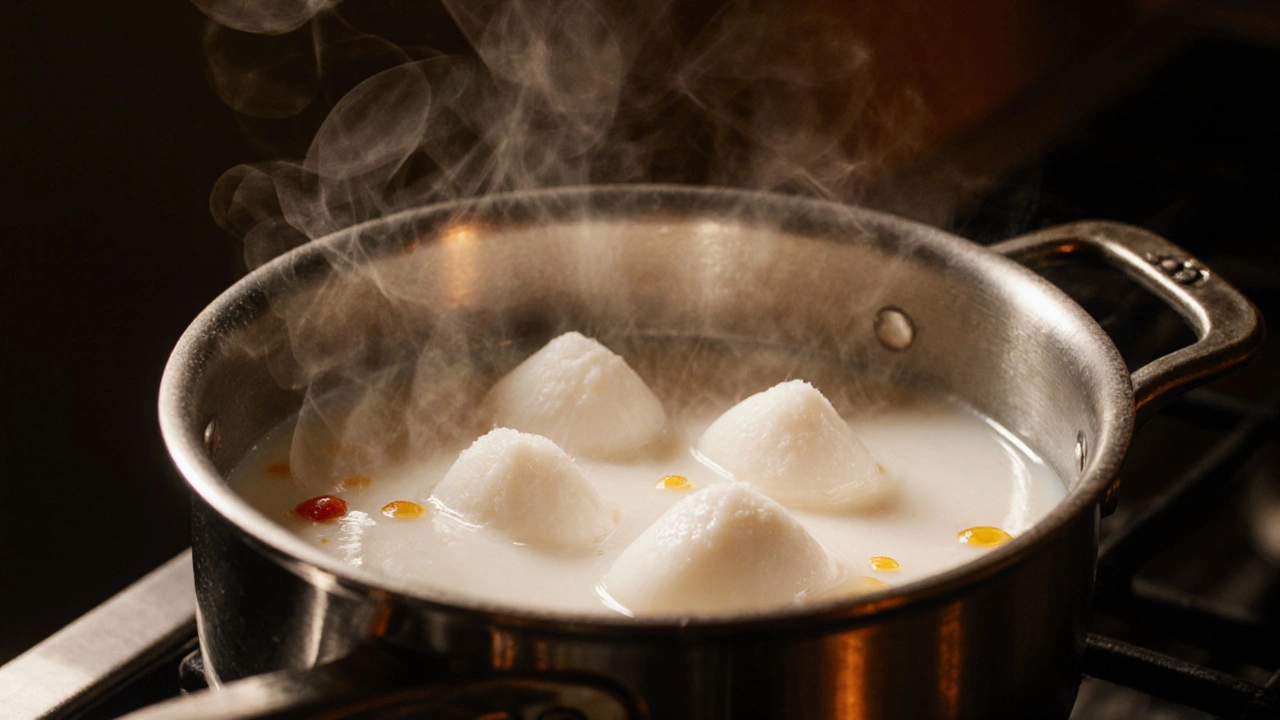
How to Add Coconut Milk to Curry Without Curdling - Foolproof Tips
Learn step‑by‑step how to add coconut milk to chicken curry without curdling, with heat, acid, and thickener tips for a silky sauce.
Read More