Popular Sweets in India: Classic Desserts, Traditional Sweeteners, and Healthy Twists
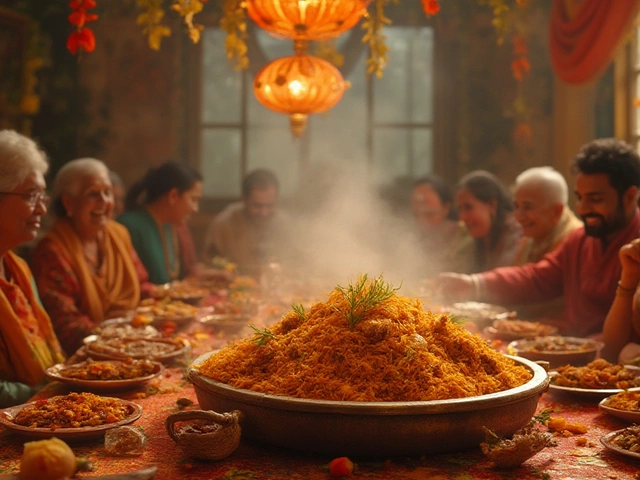
When you think of popular sweets, traditional Indian desserts known for rich textures, deep flavors, and cultural significance. Also known as mithai, they're not just treats—they're part of celebrations, rituals, and daily life across India. From street-side stalls in Delhi to family kitchens in Gujarat, these sweets carry stories older than most modern countries. You won’t find them just on festival tables; you’ll find them in grocery stores, gift boxes, and even as snacks after a simple dinner.
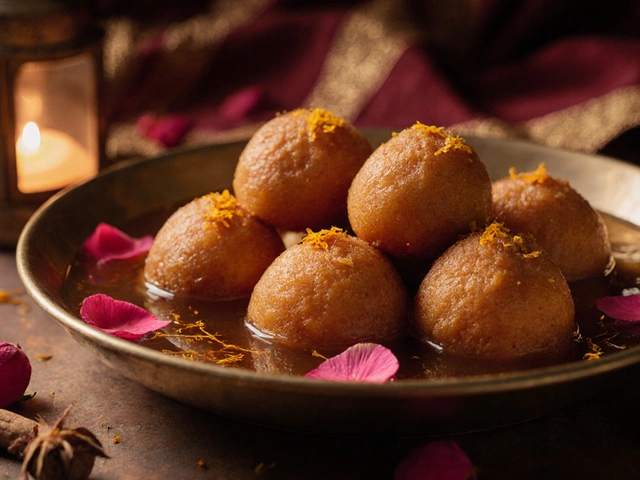
The heart of these sweets isn’t just sugar—it’s Peda, the oldest known Indian sweet, dating back over 500 years to Mathura. Made from just milk and sugar, it’s a quiet miracle of patience and heat. Then there’s Gulab Jamun, soft, syrup-soaked dough balls that melt in your mouth and are found everywhere from weddings to roadside carts. And let’s not forget the sweeteners behind them: jaggery, a natural, unrefined sugar made from sugarcane or palm sap, used for centuries to add depth and earthiness to desserts. These aren’t just ingredients—they’re cultural anchors.
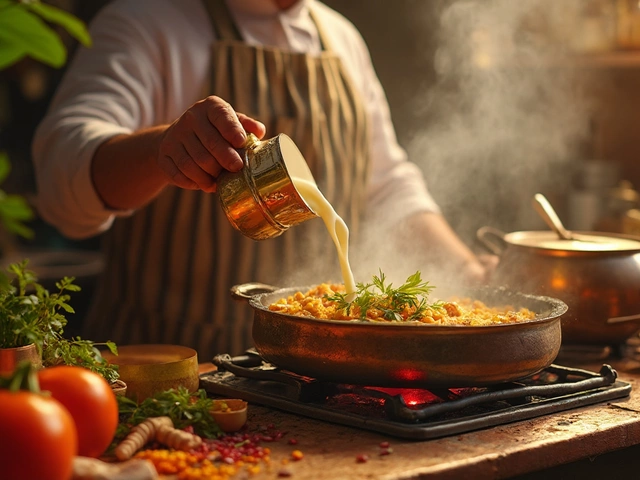
What makes Indian sweets different from others? It’s the way they’re made. No artificial flavors. No preservatives. Just slow-cooked milk, nuts, spices, and time. Many of them start with khoya—milk reduced for hours until it turns thick and creamy. That’s why some sweets last days, while others need to be eaten the same day. And while modern cooks now use honey or stevia to cut sugar, the real magic still lies in the old ways: jaggery instead of white sugar, cardamom instead of vanilla, and ghee instead of butter.
You’ll find these sweets in every region—Rajasthani ghewar, Bengali rasgulla, South Indian payasam—but they all share one thing: they’re made to be shared. Whether it’s a child’s first birthday or a neighbor’s new house, a plate of sweets says more than words ever could. And now, more people are asking: which ones can you enjoy without guilt? That’s where the healthiest versions come in—like ragi laddus or date halwa—made with whole grains and natural sweeteners, proving you don’t need to sacrifice flavor for balance.
Below, you’ll find real, tested guides on how these sweets are made, what they’re really made of, and how to enjoy them without the overload. From the ancient recipe of Peda to why Gulab Jamun stays popular across generations, you’ll see why these sweets aren’t just delicious—they’re timeless.
Discover India's Sweet Love Affair: Gulab Jamun's Surprising Origins
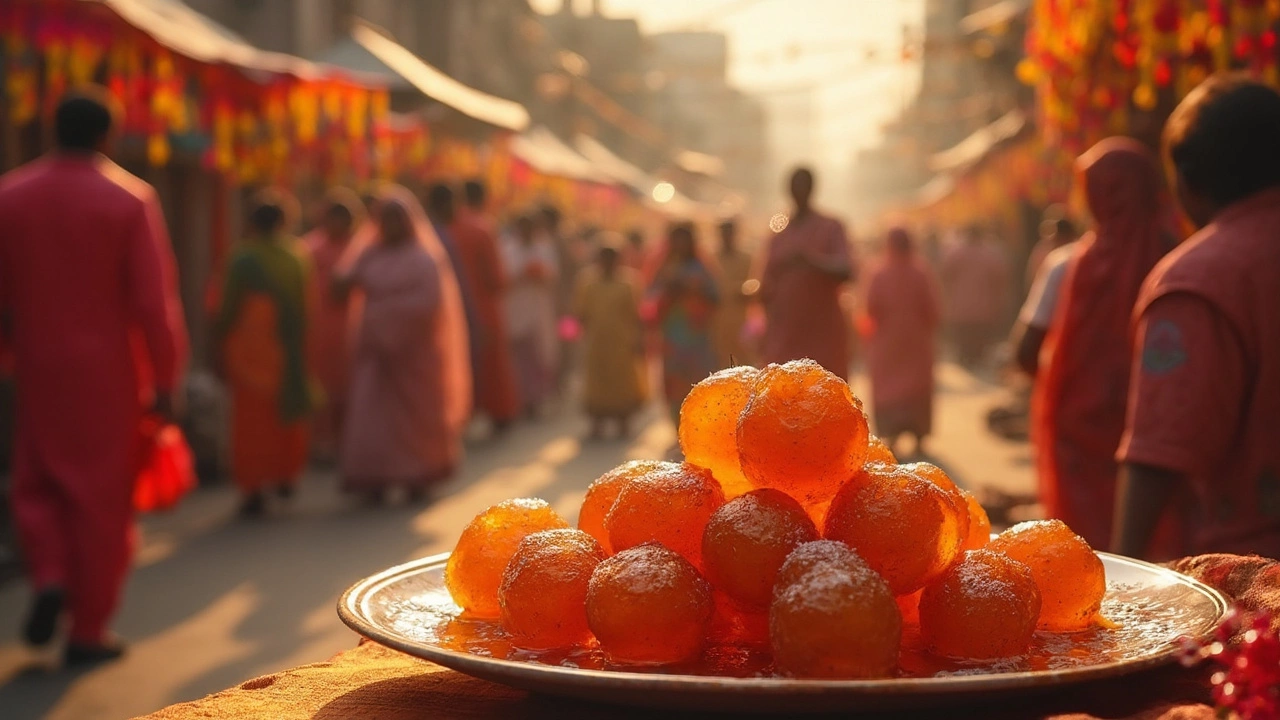
Gulab Jamun, a beloved dessert in India, actually traces its roots to Persia. Originally called 'Luqmat al-Qadi,' this dessert made its way to India with Persian invaders and was adapted to local tastes. Known for its soft, syrupy goodness, Gulab Jamun has become a staple at festivals and celebrations across India. Learn about its history, variations, and handy tips to make perfect Gulab Jamun at home.
Read More