Plant-Based Protein: Best Indian Sources and How to Use Them
When you think of plant-based protein, protein that comes from plants instead of animals. Also known as vegan protein, it's not just for vegans—it's a daily reality for millions in India who eat dal, a spiced stew made from split lentils or legumes every single day. Dal isn't just comfort food; it's one of the most concentrated sources of plant-based protein in the world, with some varieties giving you over 18 grams per cooked cup. And it’s not alone—Indian kitchens have built their meals around protein-rich plants for centuries, long before the term "plant-based" became popular.
Then there’s paneer, a fresh, unaged cheese made by curdling milk with lemon juice or vinegar. While it comes from animals, paneer is often grouped with plant-based diets because it’s the go-to protein for vegetarians across India. It’s dense, holds its shape when cooked, and soaks up spices like a sponge. If you’re avoiding meat but still want that chewy, satisfying bite, paneer is your best friend. And if you’re looking to make it at home, you don’t need fancy equipment—just milk, an acid, and a cloth. Many people don’t realize that paneer has more protein per gram than chicken breast, pound for pound. It’s not just a substitute; it’s a star.
But plant-based protein isn’t just about dal and paneer. It’s also in chickpeas, the backbone of chole and hummus, in soybeans, used to make tofu and textured vegetable protein, and even in ragi, a finger millet packed with amino acids and iron. These aren’t niche ingredients—they’re staples in rural kitchens from Rajasthan to Odisha. You’ll find them in rotis, porridges, snacks, and sweets. And here’s the thing: most of them come with fiber, vitamins, and minerals that animal proteins don’t offer. That’s why traditional Indian meals, even when they’re simple, are nutritionally balanced in a way modern diets often miss.
So why does this matter now? Because protein isn’t just about building muscle—it’s about staying full, keeping energy steady, and supporting your immune system. If you’ve ever felt sluggish after a meal, it might not be the carbs—it’s the lack of protein. Indian plant-based proteins fix that. A bowl of dal with rice, a paneer tikka wrap, or even roasted chana can keep you satisfied for hours without the heaviness of meat. And unlike processed protein powders, these foods don’t come with additives or long ingredient lists. They’re real. They’re local. And they’ve been tested by generations.
You’ll find recipes here that show you exactly how to turn these ingredients into meals that taste amazing and fuel your body right. No complicated techniques. No hard-to-find spices. Just real food, made simple. Whether you’re trying to eat less meat, build muscle on a budget, or just want to understand what your grandmother was cooking all along—this collection has you covered.
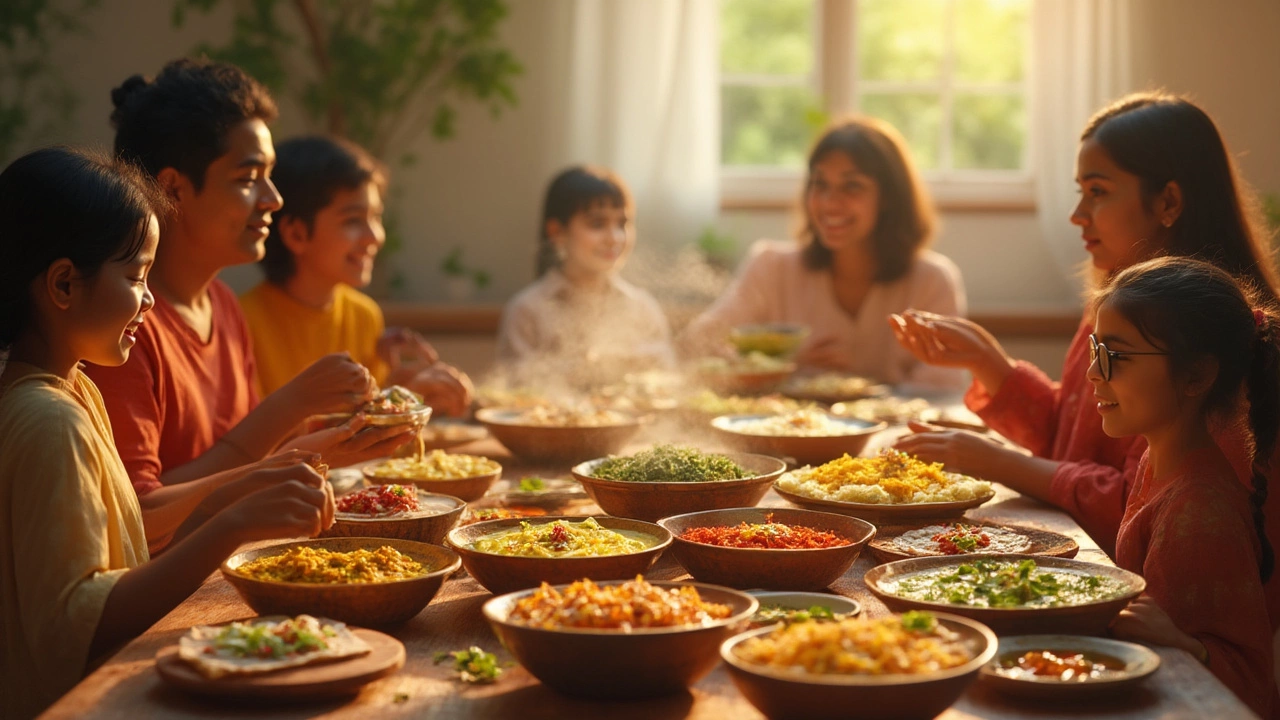
Is It Healthy To Eat Dal Every Day? Benefits, Nutrition & Possible Downsides
Wondering if you can eat dal every day? Discover dal's health benefits, nutrients, and what happens if you make it a daily staple. Easy guide for healthy eating.
Read More