Oil in Dough: How Fat Changes Your Indian Breads and Pastries
When you add oil in dough, a simple fat used to soften and enrich Indian breads like paratha, puri, and naan. It's not just about making dough easier to roll—it changes how the bread cooks, how it holds heat, and even how long it stays soft. Many home cooks think ghee is the only choice, but oil does something different. It creates a more tender crumb, less flakiness than ghee, and a neutral base that lets spices shine. In places like Uttar Pradesh or Bihar, oil is the standard for everyday parathas because it’s affordable, shelf-stable, and doesn’t harden when cool.
Indian bread dough, the foundation of meals from breakfast to dinner across the subcontinent. It’s not just flour and water—it’s a balance of hydration, rest, and fat. The amount of oil you use changes everything. Too little, and your roti turns tough and cracks when folded. Too much, and it becomes greasy, hard to roll, and doesn’t puff right on the tawa. Most recipes call for 1–2 tablespoons per 2 cups of flour. That’s enough to coat each flour particle, slow gluten development, and trap steam during cooking. Compare that to ghee, which adds flavor but also solidifies at room temperature, making dough stiffer the next day. Oil keeps parathas pliable even after cooling—perfect for packed lunches or street vendors selling them warm all day.
paratha recipe, one of India’s most popular layered breads, where oil isn’t just an ingredient—it’s the secret to flaky layers. When you roll and fold paratha dough, oil acts like a barrier between layers. Heat turns it to vapor, pushing the layers apart. That’s why the best parathas have visible, crisp ridges. Some cooks use oil for the dough and brush more on the tawa. Others mix it with water before adding to flour for even distribution. You’ll find this technique in home kitchens from Punjab to Odisha, where oil replaces ghee to make parathas lighter, cheaper, and more suitable for daily meals. Even in sweet versions like ghughni paratha, oil keeps the texture from becoming too dense.
What happens if you skip oil entirely? Your roti will be thinner, chewier, and dry out faster. It won’t hold fillings well. It won’t crisp up on the edges like it should. That’s why even simple recipes like chapati sometimes include a tiny bit of oil after cooking—to seal in moisture. Oil isn’t optional in most Indian breads. It’s the silent partner that makes them work.
Below, you’ll find real recipes and tips from home cooks who’ve tested oil vs. ghee vs. no fat at all. You’ll see how oil affects frying time in puri, why some bakers swear by mustard oil in Bengali breads, and how to fix dough that’s too sticky or too stiff. No theory. No fluff. Just what works on the tawa, in the oven, and on your plate.
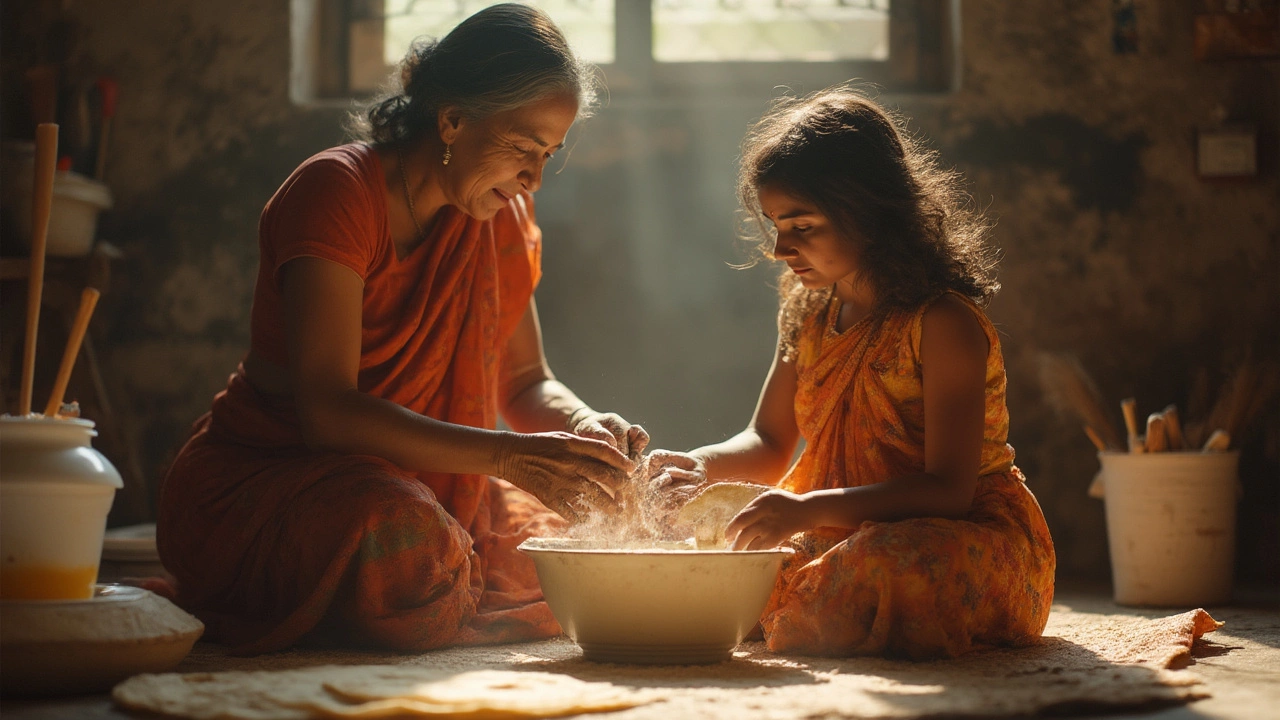
Best Time to Add Oil to Roti Dough: Tips for Softer Flatbreads
Discover the secret behind soft, delicious rotis by learning exactly when to add oil to roti dough. Get professional tips and science-backed facts for the perfect texture.
Read More