Nationality That Eats Most Sweets: Who Really Wins the Sugar Crown?
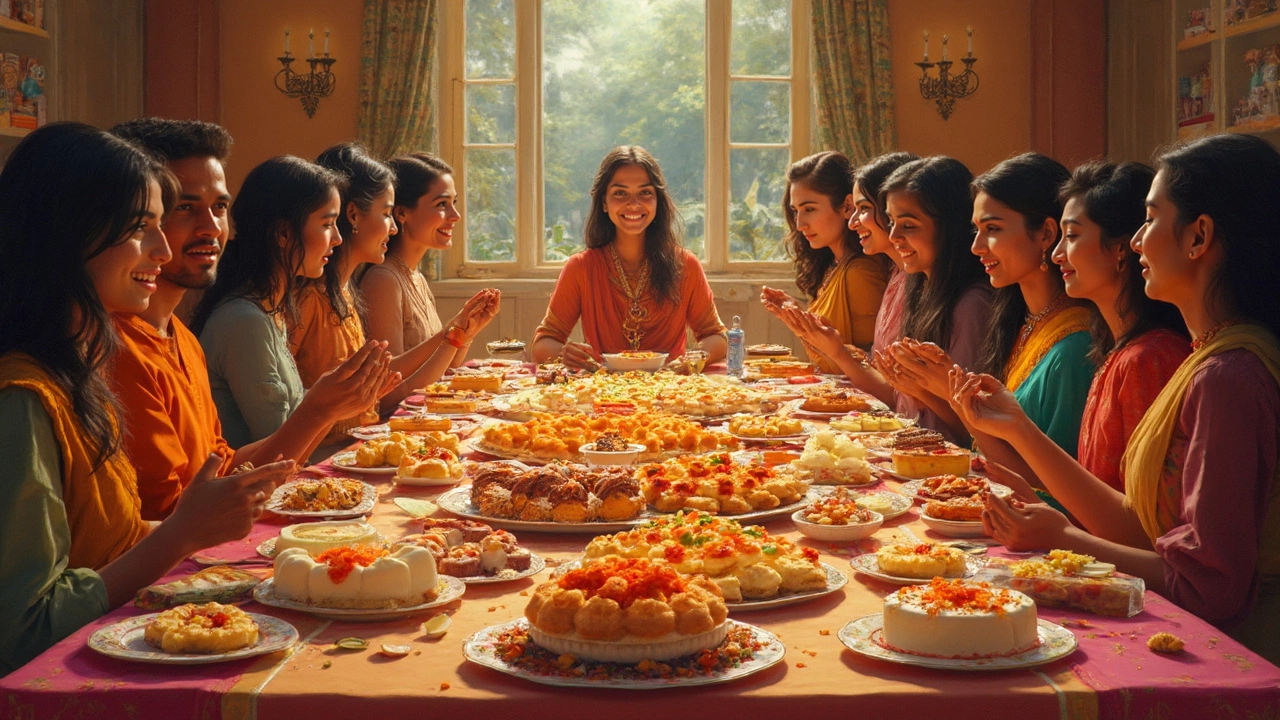
When it comes to nationality that eats most sweets, India stands out not just for volume, but for how deeply sweets are tied to culture, celebration, and daily rhythm. Also known as the land of mithai, India doesn’t just serve dessert—it honors it. You won’t find a wedding, festival, or even a simple greeting without a plate of Indian sweets, traditional desserts like peda, gulab jamun, and jalebi that have been made the same way for centuries. Unlike places where sugar is an occasional indulgence, in India, sweets are part of the rhythm of life—offered to guests, shared at temple visits, and eaten with morning chai.
It’s not about how much sugar is consumed per person in a single day—it’s about how often. While countries like the U.S. or Germany may top global sugar intake charts, they don’t match India’s frequency of sweet consumption. In India, you’ll find families making traditional Indian desserts, using jaggery, khoya, and palm sugar instead of refined white sugar every week. These aren’t fancy store-bought treats—they’re homemade, often from ingredients grown locally, and passed down through generations. The sweet culture, where dessert is a form of love, not just flavor means a child might have a laddu after school, a woman might offer barfi to a neighbor who’s sick, and a man might bring peda to his office on Diwali. There’s no guilt here. No "cheat day." Just food that means something.
Even health-conscious households in India make room for sweets—but smartly. Many use jaggery, a natural sweetener rich in minerals and used in everything from ladoos to rice puddings instead of white sugar. Others swap milk solids for nuts, or use dates and figs to sweeten without refined sugar. This isn’t dieting—it’s tradition adapting. The result? A culture where sugar isn’t feared, but understood, respected, and enjoyed with intention.
What you’ll find in the posts below isn’t just a list of sweets. It’s the stories behind them—the oldest sweet still made today, the hidden sweeteners in your favorite dessert, the regional variations that make one state’s jalebi taste completely different from another’s. You’ll learn why some families avoid eggs in sweets, how to make paneer-based desserts, and why certain sweets are tied to seasons, gods, and family rituals. This isn’t about who eats the most sugar. It’s about why, in India, sweets are never just sugar—they’re memory, meaning, and medicine all at once.
What Nationality Eats the Most Sweets? Facts, Favorites, and the Indian Sweets Connection
Ever wondered which country can't stop at just one piece of dessert? This article looks into which nationalities have the biggest sweet tooth and why. You'll find real numbers, surprising trends, and the unique place Indian sweets have in this global craving. Plus, there are tips for enjoying sweets mindfully and how Indian-inspired treats fit into the world's dessert scene. Get ready for some eye-opening facts and handy suggestions.
Read More